Ginseng in Chili Sauce: Young Chinese Buyers Embrace Herbal Heat
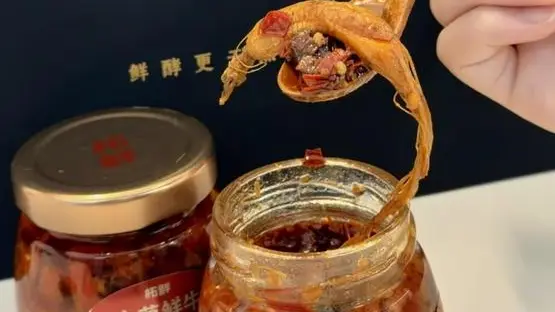
A 27-year-old chili lover in China recently had his first taste of ginseng — not in a soup or a health supplement, but in a bottle of chili sauce. He had spotted the brand Zhexianji, a newly launched condiment label from Henan province, while scrolling through a news feed and was struck by an unusual ingredient list: each box of four small bottles contains ginseng, reishi mushroom and cordyceps, the fungus known in China as north winter worm grass. The box retails for 268 yuan, roughly 38 US dollars, and he ordered one from JD.com. He bought it again the same night.
That small anecdote captures a quietly interesting shift in China’s food industry. For decades, ginseng and similar ingredients belonged to a separate world — the apothecary, the slow-simmered tonic soup, the gift box for older relatives. Now they are turning up in everyday condiments aimed at consumers in their twenties and thirties, the same people who grew up on takeout and instant noodles. The combination of a familiar, high-stimulation food with a traditional, vaguely medicinal one is exactly what makes it memorable.
There is real science behind why these pairings are tricky. Ginseng contains ginsenosides, compounds that give it a bitter, earthy taste and that are sensitive to heat. Reishi is woody and intensely bitter; cordyceps has a faintly savory, fungal note. Dropping them into a chili sauce means balancing capsaicin’s burn against bitterness and umami, and doing it in a product with a shelf life. Food scientists working on condiments often use oil infusions, fermentation or encapsulation to soften harsh flavors, and the fact that a young brand is experimenting with these ingredients at all suggests the technical barriers have fallen enough for small players to try.
Culturally, the appeal is easy to understand. China has a deep tradition of food as medicine, where ingredients are chosen for their perceived warming, cooling or strengthening properties. Younger consumers are not necessarily chasing a health claim; many are simply curious, and they enjoy the story a novel ingredient gives them. A chili sauce that contains ginseng is a conversation starter, a screenshot-worthy purchase, and a small act of self-care that costs less than a spa day. It also fits a broader pattern of traditional ingredients being reworked into modern formats, from herbal coffees to medicinal teas sold in sleek cans.
Skeptics have fair questions. The amount of ginseng in a small bottle of sauce is likely modest, and chili sauce is not a health food. Nutritionists generally caution that a condiment cannot substitute for a balanced diet, and that the real driver here is novelty and marketing rather than pharmacology. None of that has slowed sales. The brand’s early buzz came largely from social media, where users posted taste tests and debated whether the sauce was genuinely different or just expensive.
For global readers, the story is a useful window into how Chinese consumer culture absorbs tradition. A country with centuries of herbal knowledge is now repackaging that knowledge for a generation that shops on phones and reads ingredient labels. Whether ginseng chili sauce becomes a lasting category or a short-lived novelty, the experiment shows how quickly food science, e-commerce and old ingredients can combine into something new.
The young man who bought his first box did not describe a medicinal revelation. He described heat, a slight bitterness, and the pleasure of trying something nobody around him had tasted. That, more than any health claim, may be what sells it.