November Is Not a Fruit Desert: Inside China's Late-Autumn Harvest Peak
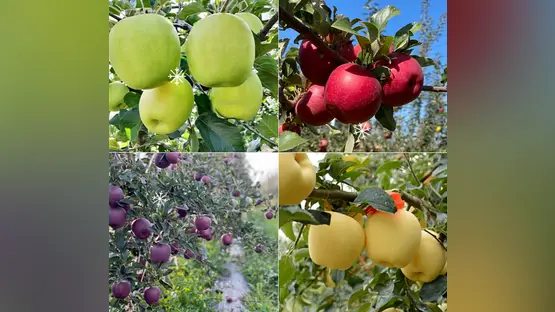
Walk into a Chinese supermarket in early November and the shelves can look tired: cold-storage apples, glossy fruit that tastes of nothing, and a general sense that the good season is over. A science-focused outlet argues the opposite. November, it says, is not a fruit desert at all — it is the beginning of another peak, and one that many shoppers miss because they have already stopped looking.
The logic is agricultural rather than commercial. Citrus fruits — mandarins, sweet oranges, pomelos and the many hybrid varieties bred for Chinese palates — cluster into the market as autumn deepens. At the same time, fresh apples come straight off the tree rather than out of a warehouse, which changes both texture and price. In the south, the fruit of Lingnan, the warm region around Guangdong and Guangxi, reaches its best eating window.
That overlap is short. The outlet’s piece, published on November 4, describes a tasting session in which editors gathered what they judged the best fruit currently available and put it into a single November selection. It notes that two of the items were unfamiliar to almost everyone on the editorial team — a reminder that China’s domestic fruit supply is far wider than what a typical city shopper recognises.
The practical advice embedded in the piece is about timing rather than exoticism. Buy citrus while the first wave is still arriving, when sugar levels are rising and prices have not yet been pushed up by festival demand. Treat fresh-harvest apples as a different product from stored ones. And look south for the varieties that do not travel well and therefore rarely appear far from their growing regions.
The timing of the roundup is not accidental. It lands alongside the Double 11 shopping festival, China’s largest annual e-commerce event, where the platform is running a discount threshold of 200 yuan minus 25 yuan, and where livestream hosts are offering additional coupons. That pairing says something about how food writing now works in China: a consumer guide and a sales window are often the same document.
For a global reader, the more interesting point is structural. China grows an enormous range of fruit domestically, and seasonality is managed through cold storage, greenhouses and increasingly sophisticated logistics. That means the old calendar of plenty and scarcity has blurred — but not disappeared. There are still windows when a fruit is at its best and cheapest, and they are narrower than the supermarket’s permanent abundance suggests.
There is also a cultural layer. Chinese food writing has a long tradition of ranking and arguing over produce — which region’s pomelo is sweeter, which apple has the right snap — and that habit has migrated online, where tasting notes, origin stories and price comparisons circulate freely. The November roundup is a small example of a larger genre.
What the piece does not do is quantify. It offers no harvest figures, no price index and no survey of consumer preference. Its authority rests on the editors’ own tasting and their claim to have watched markets and growing regions closely. Readers who want to test the thesis can do so cheaply: the next few weeks will show whether the citrus aisle fills up, whether apple prices soften, and whether the unfamiliar southern fruit actually reaches shelves outside its home region.