Hackers Turned 100+ Supermarket Freezers to 50°C, Wasting Tons of Food
A security incident described in a Chinese science roundup offers one of the clearest real-world examples yet of how ordinary connected appliances can be turned into a weapon: hackers remotely raised the temperature of cold cabinets in more than a hundred supermarkets to 50°C, ruining large quantities of meat and other perishable food and triggering serious waste.
The case was one of several environmental research and news items collected in the latest installment of a long-running science newsletter series. The freezer attack stands out because it required no physical break-in. The refrigeration units were networked, and whoever carried out the intrusion was able to send commands that overrode normal operating settings across many locations at once.
For retailers, the damage is twofold. There is the immediate loss of stock — meat, dairy and other chilled goods that cannot be sold once they have spent time far above safe storage temperatures. There is also the disruption to the cold chain, the temperature-controlled path that food follows from supplier to shelf, which supermarkets rely on to guarantee freshness and safety.
What makes the episode a science story rather than a crime blotter is the underlying trend. More and more commercial equipment — refrigerators, HVAC systems, warehouse sensors, even building lighting — is being connected to the internet so it can be monitored and adjusted remotely. That convenience is exactly what makes such devices attractive targets.
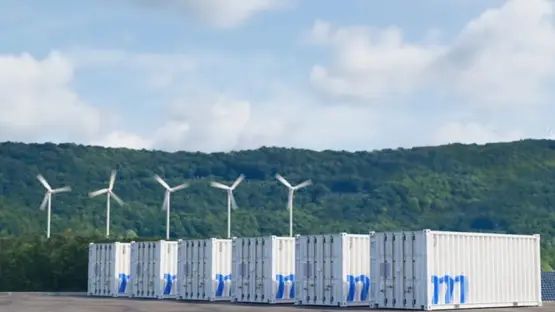
The same roundup pointed to other ways connected infrastructure is being rethought. One item looked at storing waste heat from data centers underground so it can be recovered in winter, when the buildings that host the servers need warmth. Another described packing old electric-vehicle batteries into shipping-container-sized units to act as giant power banks for the electricity grid.
A third item revisited Chernobyl, noting that nearly 40 years after the accident, particles of nuclear fuel in the surrounding soil remain highly similar to their original form — a reminder of how long certain contaminants persist. A fashion-focused entry suggested that paying attention to a small detail on a clothing label can help shoppers pick garments that last a decade.
The freezer incident fits a broader pattern of concern around the security of the so-called Internet of Things. Devices that were never designed with strong authentication or encrypted communications can be hijacked in bulk. When the device controls something physical — a lock, a valve, a compressor — the consequences move quickly from the digital to the physical world.
For supermarkets and their technology suppliers, the practical lessons are about network segmentation, timely firmware updates and alarms that flag abnormal temperature swings before stock is lost. For everyone else, the episode is a reminder that the fridge in the aisle and the server in the back office are now part of the same connected landscape, and that landscape has attackers in it.