A Chengdu Restaurant Sells Twice-Cooked Pork by the Slice, and China Argues
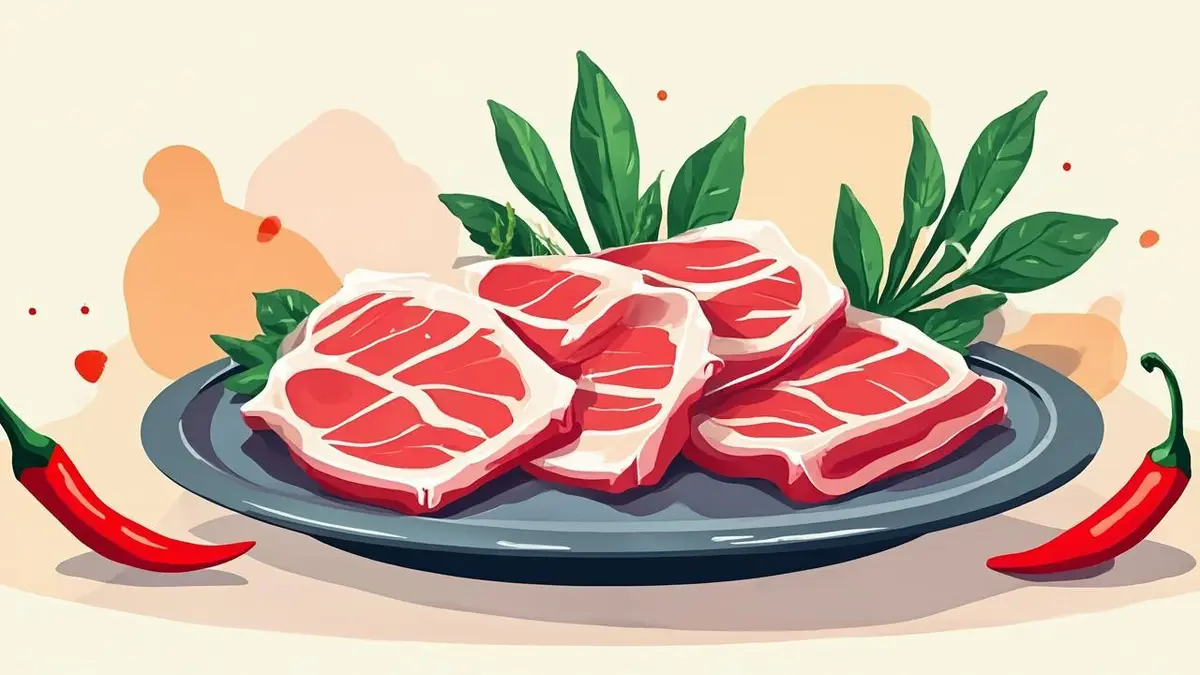
A plate of twice-cooked pork, or huiguorou, is one of the most familiar dishes in Sichuan cooking: pork belly simmered, sliced thin, then stir-fried with chili bean paste, garlic sprouts and a little sugar until the edges curl. It is the kind of food Chinese families cook at home and restaurants serve without ceremony. Now a restaurant in Chengdu, the Sichuan capital, has put it at the center of an argument by selling it by the slice: 35 yuan per piece, with an order starting at three slices.
The detail that traveled fastest online was the minimum. A diner cannot buy one slice to try it; the kitchen will cook three or more, which means the cheapest order of this single dish lands at 105 yuan, roughly 15 US dollars. For a dish built on an inexpensive cut of pork, that number felt less like a price than a statement, and comment threads filled with people doing the arithmetic aloud.
Part of the reaction is simple sticker shock. Pork belly is not a luxury ingredient, and twice-cooked pork is a benchmark dish across Sichuan and beyond, the thing a cook is judged on before anything fancier arrives. When a restaurant prices it per slice, diners instinctively compare it with the plate they make at home or order for a third of the cost in a neighborhood joint.
The other part is about what the slice represents. Selling by the piece turns a shared, informal dish into a portioned, almost tasting-menu item, and Chinese diners are quick to read that shift as a claim about quality. The restaurant’s defenders argue that a thicker, better-trimmed slice, cooked to order, costs more to put on a plate than a heap of thin ones, and that a per-slice price is at least honest about what a diner gets.
The debate also lands in a year when Chinese diners have been unusually alert to food prices. From noodles to milk tea to holiday hotel breakfasts, arguments about whether a thing is worth its price have become a regular feature of the country’s social feeds, and a single dish can carry the mood of a whole season of eating out.
What makes the twice-cooked pork case linger is that it is not really about pork. It is about the line between a home-style dish and a restaurant product, and who gets to redraw it. A per-slice price is a small experiment in restaurant economics, but it asks diners to accept a new unit of measurement for something they thought they already understood.
For a global reader, the episode is a reminder that food prices in China are argued over in public, in detail and with numbers, and that a home-style dish can function as a kind of civic thermometer. Whether the per-slice model spreads, or stays a curiosity in one Chengdu kitchen, will say something about how far Chinese diners will follow a restaurant that redefines a familiar plate.