China's National Day Travel Rush Faces Overtourism and Booking Chaos
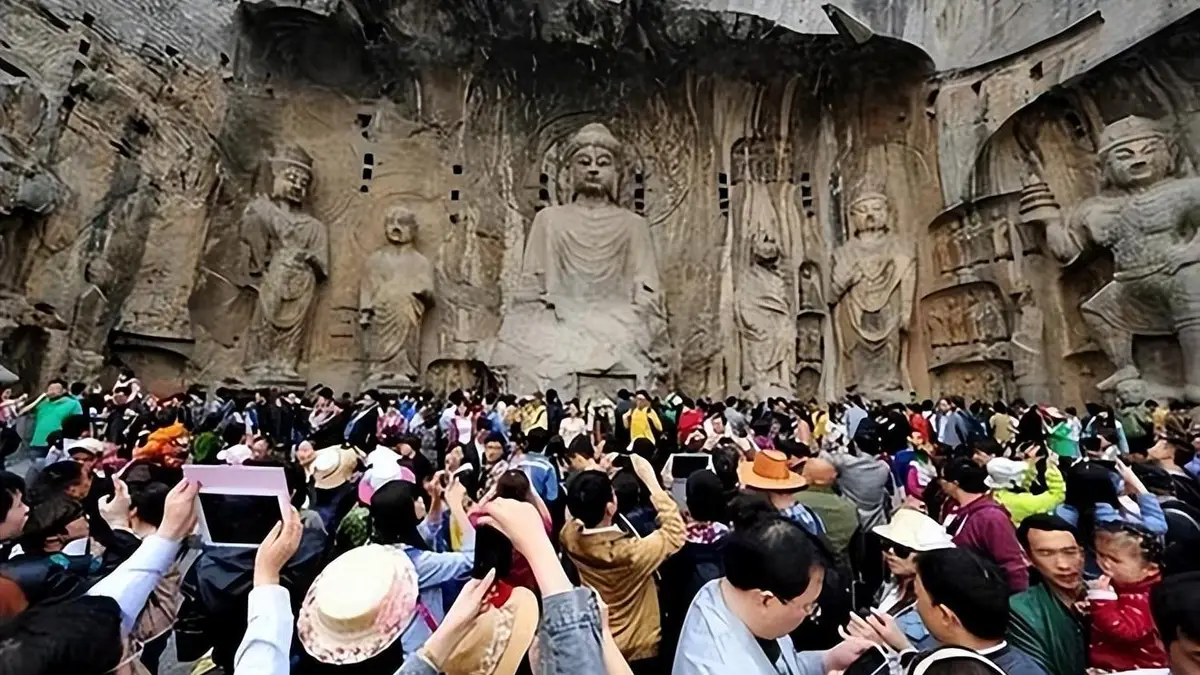
With China’s week-long National Day holiday just days away, millions of travelers are preparing for what is traditionally the busiest travel period of the year. But this year, the excitement is mixed with anxiety as reports of travel chaos and overtourism surface across the country.
On social media, travelers are sharing frustrating experiences with accommodations. Many report that hotels and guesthouses are canceling confirmed bookings at the last minute, only to relist rooms at drastically higher prices. This practice, known as “sitting on the ground and raising prices,” has become a common complaint. Industry experts warn that such tactics are damaging consumer trust and could lead to a backlash against domestic tourism.
Adding to the unease is a resurgence of bedbugs in hotels. Once associated with older, less hygienic accommodations, these pests are now being reported in upscale city hotels as well. Travelers are taking to platforms like Xiaohongshu to ask how to spot bedbugs and whether their luggage could carry the insects home. The fear is so widespread that some are packing protective mattress covers alongside their vacation clothes.
Meanwhile, a dramatic rescue in Inner Mongolia serves as a reminder of the risks that come with outdoor adventures. On September 19, three tourists were stranded near the summit of Bayan Sunbur Peak in Alxa League when thick fog and heavy rain reduced visibility to less than ten meters. Local police officers hiked 16 kilometers through the rain and fog to reach them. The tourists were brought to safety, and last week they presented a banner of gratitude to the rescuers. The incident highlights how quickly mountain weather can turn dangerous, especially during the holiday rush.
In response to the anticipated crowds, some cities are rolling out measures to make travel smoother. In Dongguan, the new city museum will open to the public on September 29, just in time for the holiday. To encourage visits, the museum is offering free parking at several nearby lots during the National Day period. Officials hope the initiative will showcase the museum’s public service mission and ease congestion in the city center.
Not all travelers are rushing to popular landmarks. A growing number are opting for a slower, more relaxed approach. The trend of “slow travel” — staying in one place for several days, often in a rural guesthouse — is gaining traction. One traveler described spending four days at a countryside homestay, enjoying local food and scenery without a packed itinerary. “A holiday should be a break, not a race,” she said. This shift reflects a broader desire to escape the stress of overcrowded tourist spots.
For those still planning trips, experts advise booking accommodations early, confirming reservations directly with hotels, and considering less-known destinations. Off-the-beaten-path routes in western Sichuan and the newly promoted Hanzhong Tiankeng group in Shaanxi offer stunning autumn landscapes without the crowds. But whether travelers choose a bustling city or a quiet mountain village, the key is to stay informed and flexible. After all, the goal of any holiday is to return home refreshed, not exhausted.