Why Grown-Ups in China Are Spending Serious Money on LEGO
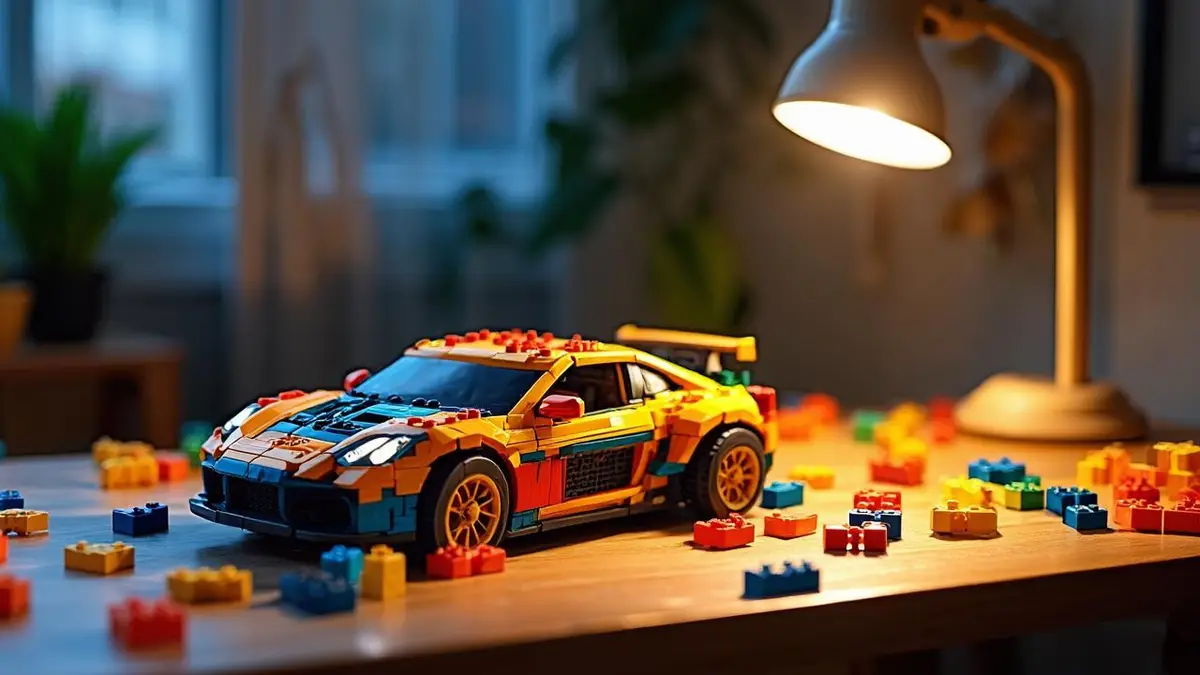
A sports car that fits on a desk. A bouquet that never needs water. A World Cup trophy a fan can keep forever. In the world of LEGO bricks, none of this is fantasy — you simply have to build it yourself. That pitch, once aimed at children, is increasingly being made to adults in China, and plenty of them are saying yes.
China’s adult LEGO hobby has quietly grown into a real consumer market. Working professionals in their twenties and thirties now treat building sets as a way to unwind after long office hours, a screen-free hobby that ends with something tangible on the shelf. Sets themed around architecture, cars, flowers and pop culture have become popular gifts between friends and colleagues, and limited editions can sell out quickly online.
The trend has caught the attention of brands. The toymaker recently launched a campaign in China built around the idea of “playfulness that never sleeps,” arguing that hobbies deserve to be taken seriously at every stage of life. To make that point, it enlisted celebrity Wang Yibo, a singer, dancer and actor known for his love of motorcycle racing, to assemble his passion into brick form. The message is simple: the things you love as a kid do not have to disappear when you grow up.
For many Chinese adults, the appeal is partly about focus. Building a large set takes hours of patient, step-by-step work, a rare stretch of time in which the phone stays down and the mind quiets. Enthusiasts describe the process as a kind of meditation, with the reward of a finished model that doubles as home decor. Display shelves in apartments have become small personal museums.
Collecting has become a social activity too. Online communities share photos of completed builds, swap tips on lighting kits and rare pieces, and debate which sets hold their value. Some fans hunt for discontinued models, while others modify sets with custom parts. The hobby overlaps with a broader boom in what Chinese consumers call “gu chao” or trend-driven collecting, from designer toys to figurines.
The spending is not trivial. A single large set can cost several hundred yuan, and serious collectors may spend thousands over a year. Yet many buyers describe it as better value than other leisure spending because the enjoyment lasts well beyond the purchase. It is a hobby you can touch, rebuild and pass on.
Brands are responding with more adult-oriented products: botanical displays, architecture landmarks, movie tie-ins and collaborations with artists. Physical stores in major cities host build events and launch parties, turning shopping into an experience. For a generation that grew up with screens, the appeal of a hands-on, offline pastime is part of the point.
The adult brick boom says something about how leisure is changing in China. Play is no longer seen as something you grow out of, but as a legitimate part of a balanced life — and a market worth courting. On desks and shelves across the country, the evidence is quietly stacking up, one brick at a time.