China's Influencer Dog Trainer Loses Final Appeal Over Beloved Samoyed's Death
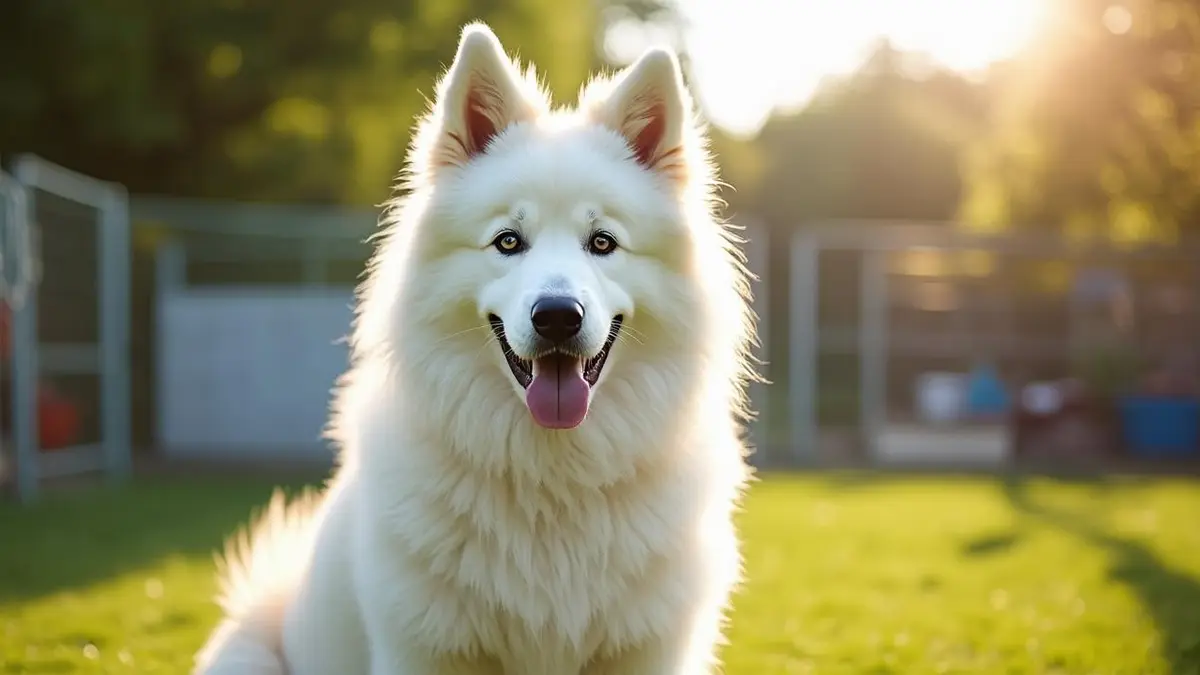
A court in Jinan has delivered a final ruling in one of China’s most closely watched pet disputes, ordering a popular dog trainer to publicly apologize and pay 11,119 yuan in compensation after a Samoyed named Xiaobao died at his training facility. The Jinan Intermediate People’s Court upheld the earlier judgment against Pan Hong, whose training videos had turned the dog and several others into internet celebrities with millions of views.
The story began in November 2024, when a pet owner surnamed Li sent her Samoyed, Xiaobao, to Pan’s training base after the dog bit someone. Pan documented the training process on Douyin, China’s version of TikTok, and Xiaobao quickly became a fan favorite. Two months later, the dog was killed inside the facility by a larger dog, according to the owner. What followed was a bitter public feud that drew in hundreds of thousands of commenters and turned both parties into targets of online harassment.
Li sued Pan for reputational harm, alleging that he had encouraged his followers to attack her online. Pan countersued, arguing that Li had damaged his business and reputation. The court sided with Li, finding that Pan’s handling of the situation contributed to the wave of abuse she endured. The 11,119 yuan figure was calculated to cover her legal costs and related expenses. Pan must also pin an apology to the top of his Douyin account for a set period.
The relatively modest sum belies the case’s significance. Dog training has become a booming business in China, where pet ownership has surged over the past decade. Influencer trainers can command large followings and lucrative brand deals, but the industry remains lightly regulated. Animal welfare advocates say the case highlights the risks when commercial pressures collide with animal care, while trainers warn that online mob justice can destroy livelihoods overnight.
For ordinary pet owners, the saga has become a cautionary tale about the power of social media to shape — and distort — private disputes. Comment threads on Zhihu and other platforms have debated everything from kennel safety standards to the ethics of turning pets into content. Some users praised the court for holding an influencer accountable; others questioned whether a viral backlash is ever a fair punishment.
Pan’s legal troubles are not necessarily over. The ruling requires a public apology, but enforcement of such orders can be slow, and Li has said she may pursue further claims. Meanwhile, the broader conversation about animal welfare continues to grow in China, with cities tightening rules on pet registration and breeding, and consumers spending more than ever on premium pet food, insurance and training.
The case also underscores how Chinese courts are increasingly willing to address online harassment as a concrete harm rather than an unavoidable side effect of internet fame. For a public that has watched countless influencer dramas unfold in real time, the judgment offers a rare moment of legal closure — and a reminder that behind every viral pet video is a real animal, and a real owner.
As for Xiaobao, the Samoyed whose antics once delighted millions, the final verdict is unlikely to bring him back. But it may change how trainers, owners and platforms think about the business of turning dogs into stars.