Li Yuchun's Twenty Years: Why the Rumors Outlast the Music
In 2005, a shy college student from Sichuan named Li Yuchun won a televised singing contest on the strength of 3.52 million text-message votes from viewers. The show made her an overnight national figure, and the win was unusual: it was decided by the audience, not by judges. Two decades later, she is still one of the most durable stars in Chinese pop, and the rumors around her have grown stranger with every year.
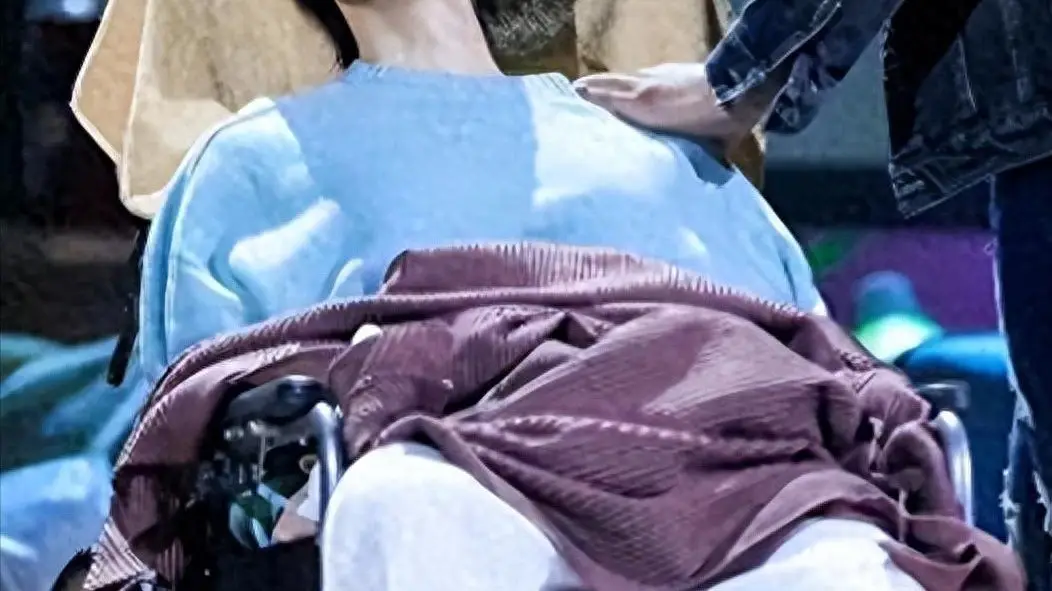
A recent feature in Chinese entertainment media traced the pattern. At 20, she was said to be the daughter of a dairy tycoon, a claim built on little more than her short hair and boyish style. At 30, the story went that she had secretly married a 78-year-old Frenchman. At 40, a fresh rumor claimed she was bedridden and had no heir to inherit her fortune. None of these had any basis in anything she said or did publicly.
The rumors tend to share a shape. They attach to her image rather than her work: her androgynous look, her unmarried status, her quiet private life. Because she rarely discusses her personal affairs, the silence becomes a blank screen for speculation. The more outlandish the claim, the faster it travels.
What the rumors rarely mention is the career. Her twentieth-anniversary tour, titled Queen and Dream, played to packed venues, including a stop at the Xi’an Olympic Sports Center where more than ten thousand fans sang along to her signature ballad, Same as You. Clips from that night show her wiping her eyes on stage. For an artist whose fame began with a public vote, that kind of crowd response is the clearest measure of staying power.
Her standing rests on more than nostalgia. Li has released albums across two decades, worked with producers in China and abroad, and built a reputation for stagecraft rather than scandal. She has also become a fixture in fashion circles, where her gender-neutral style is treated as a signature rather than a curiosity. That visibility keeps her in the public eye, which in turn keeps the rumor mill fed.
Chinese entertainment media has long thrived on the private lives of stars, and the format rewards extremes. A quiet artist with a distinctive image is an easy target: there is little to report, so invention fills the gap. The same dynamic has produced fabricated stories about marriages, fortunes and illnesses for many performers. Readers who encounter such claims online would do well to check whether any named source exists at all.
For Li, the response has been to keep working. The anniversary tour continues, and her fan base, many of whom voted for her as teenagers, now brings children of their own to her shows. Whether the rumors fade is another question. They have survived twenty years of a career that shows no sign of slowing, and each new milestone seems to invite a new invention.