Corn Feeds the World, Yet China Rarely Eats It as Rice
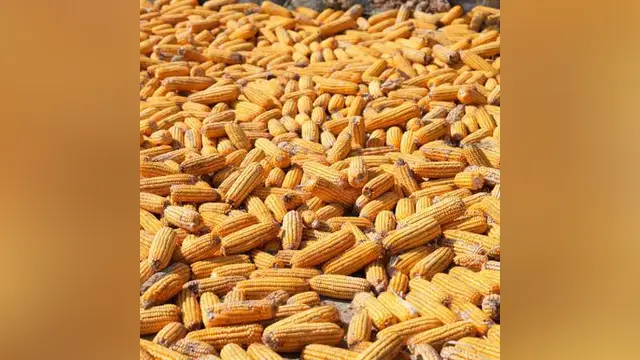
Ask a Chinese diner to name the country’s staple grains and the answer is rice in the south, wheat in the north. Corn — yumi, or “jade rice” — belongs to the roadside stall, the holiday pot and the sweet snack, not the dinner bowl. Yet a widely read answer circulating on Zhihu, the question-and-answer platform where Chinese readers dig into everyday puzzles, argues that this apparent contradiction misses the point. Corn is arguably the most important crop in the world, even in countries that never sit down to a plate of it.
The question that prompted the discussion was simple: if corn is not eaten as a staple, how did it become one of the world’s three main food crops, alongside rice and wheat? The answer starts with botany. Corn belongs to the grass family, the same sprawling clan that gives the world bamboo, sugarcane, reeds and lawn turf — and, more importantly, rice, wheat and sorghum. Grasses are the great survivors of the plant kingdom: fast-growing, adaptable and generous with seed. That family membership is why so many of humanity’s calories come from a handful of similar-looking plants.
What corn does better than its relatives is convert sunlight, water and fertiliser into bulk. A field of corn produces more grain per hectare than most cereals, and it does so in a remarkably short season. That efficiency is why the crop spread from the Americas to become a field staple across Africa, Asia and Europe within a few centuries of reaching the wider world. Where rice needs flooded paddies and wheat prefers cooler, drier ground, corn grows almost anywhere with enough warmth and moisture.
But the deeper reason corn matters is that most of it is never eaten directly by people. A large share of the global harvest disappears into animal feed. Corn-fed poultry, pigs and cattle turn the grain into meat, eggs and milk, which means a great deal of the world’s protein begins as a cornfield. Another large slice is processed into starch, sweeteners, oils and industrial alcohol. In many countries, corn also feeds the fuel tank rather than the dinner table, fermented into ethanol.
In China, the distinction is especially sharp. Corn is grown in enormous quantities in the northeastern grain belt and the northern plains, but it arrives on the plate as a vegetable — boiled on the cob in summer, stir-fried with pine nuts, ground into porridge, or turned into the steamed cornbread of the north. It is also the raw material behind a long list of foods and drinks, from cooking oil to the sweet syrups in snacks. The grain that feeds the country’s livestock rarely appears as the grain that feeds the country’s people.
That pattern is not uniquely Chinese. Around the world, corn occupies a strange double role: humble street food and invisible industrial input. The Zhihu discussion touches on the same theme that runs through much of the platform’s food writing — that what a country calls a staple has as much to do with habit and cooking tradition as with nutrition or farm output. Rice and wheat earned their place at the table over millennia of kitchen practice. Corn arrived later, and found its niche in the spaces between meals.
For a global reader, the takeaway is a reminder of how quietly food systems work. A crop can be indispensable without ever being the centrepiece of a plate. Corn’s dominance is measured in feedlots, factories and fuel depots as much as in harvests. The next time a cob appears at a summer market, it is worth remembering that this is only the most visible fraction of a plant that underpins far more of what the world eats and drinks than most diners ever notice.