Why Chinese Characters Never Became an Alphabet
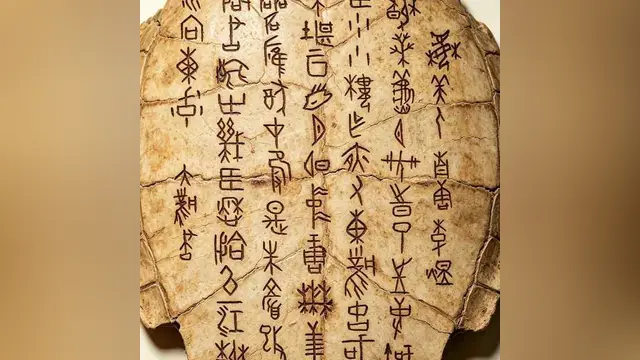
A question on the Chinese Q&A platform Zhihu — why did almost every writing system in the world eventually become alphabetic, while Chinese characters stayed essentially unchanged for two thousand years? — has drawn an unusually confident answer that is now circulating among readers interested in language and history.
The writer, identified on the platform as Tom, opens with a blunt thesis: alphabetic writing was something Western peoples were forced to evolve to survive, while the Chinese never met a comparable challenge and so kept an original script intact. It is a sweeping claim, and specialists would likely push back on parts of it. But the argument underneath is worth following, because it rests on a real observation about how writing began.
His starting point is that the earliest writing everywhere was pictographic. Egyptian hieroglyphs and Sumerian cuneiform drew a cow’s head, a jar of beer or a stalk of barley as direct pictures of things. Their first job, he says, was bookkeeping — who paid how much tax, how much oil was left in the warehouse. Chinese oracle-bone script works the same way: the characters for sun, moon, deer and fish are recognizable sketches of what they name.
From there the answer turns into a story about pressure. A script tied to pictures is bulky, and a society that must record a great deal quickly, across many languages and trades, has reason to strip it down to a small set of sound symbols. The writer’s implication is that alphabets are a practical response to strain, not a superior stage of civilization. Chinese characters, in his telling, survived because the society using them never had to abandon meaning for pure sound.
That is where the argument gets interesting and also where it gets slippery. China did simplify its script over time, and the country has its own long history of phonetic aids and shorthand. But the core feature he points to is real: a character carries meaning as well as sound, which is one reason a reader in one region can understand a text written by someone whose speech they could not follow.
The exchange is a good example of a genre that thrives on Zhihu: a single confident amateur essay that turns a technical question into a broad claim about civilizations, then invites thousands of readers to argue with it. The comments, as much as the answer, are the point.
For outside readers, the value is less in the verdict than in the framing. The question itself — why did this one writing system not become alphabetic? — is one that linguists still debate, and the answer offered here is a reminder that Chinese readers often explain their own traditions through the language of survival and adaptation rather than simple continuity. Whether historians agree, the post has made a familiar fact feel like a puzzle again.
What happens next is mostly a matter of how the thread evolves. On Zhihu, answers like this tend to draw corrections from people with specialist knowledge, and the follow-up comments are where the sharper qualifications usually appear. For now, the post stands as a compact example of how a big historical question gets argued in public, one confident paragraph at a time.