Why Ancient China's Deadliest Sickness Is Now a 15-Minute Clinic Visit
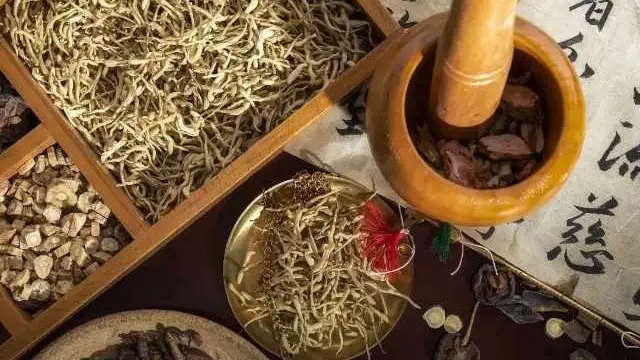
A question circulating on the Chinese Q&A platform Zhihu has struck a chord with readers: which small, easily treated ailments of today were once lethal in the ancient world? The most striking answer, written by a contributor who studies the history of medicine, concerns a skin condition most people now barely think about.
In modern clinics, acute cellulitis — an infection that spreads under the skin after a cut or scrape — is routine. A doctor cleans the wound, drains any pus, applies antiseptic and a bandage, and the patient walks out. A dressing change or two over the following week usually finishes the job. In older Chinese medical texts, the same condition carried a far more ominous name: yong ju, a pair of characters that described deep, spreading swellings and abscesses.
The contributor’s point is blunt. Before antibiotics, before sterile instruments and before any real understanding of bacteria, an infection that today resolves in a fortnight could race through the body unchecked. Historical accounts of yong ju describe high fever, spreading redness and, all too often, death. The writer notes that mortality from such infections in the pre-modern era could rival or exceed that of tuberculosis, a disease we still treat with great seriousness.
The thread is one of several culture-and-history discussions currently drawing attention on Zhihu Daily, the platform’s curated digest. Others ask why imperial-era reign names fell out of use everywhere in East Asia except Japan, how the Chinese first-person pronoun wo came to dominate the language, and why ancient China produced fewer towering stone cathedrals and palaces than medieval Europe. Together they form a small genre of armchair history that Chinese readers clearly enjoy: big questions, plain language, and answers that reframe the ordinary.
What makes the cellulitis answer resonate is its quiet reminder of how much daily life has changed. Conditions that once inspired dread — an infected finger, a bad tooth, a complicated childbirth — are now handled in outpatient visits. The writer does not dwell on statistics, but the implication is clear: the greatest medical revolution of the past century may not be any single wonder drug, but the ordinary infrastructure of hygiene, surgery and antibiotics that turned killers into inconveniences.
There is also a cultural dimension. Chinese medical tradition has its own vocabulary for such swellings, and the thread invites readers to see the old terminology not as superstition but as a precise description of symptoms by physicians who lacked the tools to cure them. The characters for yong and ju appear in classical texts and folk sayings alike, a linguistic fossil of a time when a scraped knee could genuinely be dangerous.
The discussion fits a broader appetite among younger Chinese readers for grounded history — not dynastic drama, but the texture of everyday survival. Similar threads on Zhihu routinely draw thousands of replies, with doctors, historians and curious laypeople trading notes. The pleasure is partly voyeuristic and partly reassuring: we look back at a harsher world and measure the distance we have travelled.
For global readers, the takeaway is simple. The next time a small cut gets a little red and puffy, remember that for most of human history this was not a minor annoyance but a genuine gamble. A fifteen-minute clinic visit is, by the standards of the past, an extraordinary piece of luck.