BMW's Shenyang Joint Venture Cuts Up to 2,000 Factory Jobs
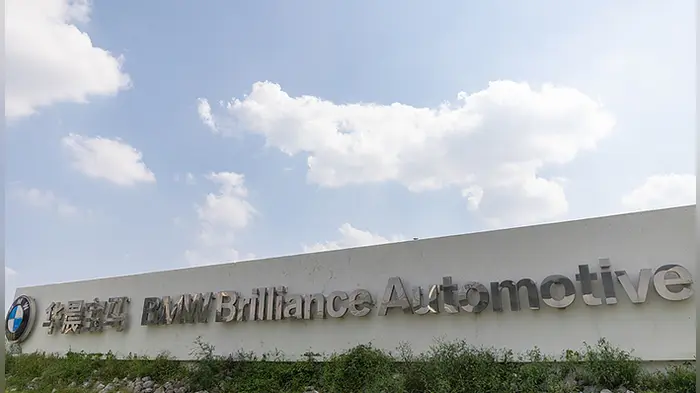
BMW’s main Chinese manufacturing joint venture has started a round of job cuts across its Shenyang production base, according to accounts from current and former employees, in a sign that the pressure on foreign-brand carmaking in China has reached the factory floor.
The adjustment covers three sites in the northeastern city: the Dadong plant, the Tiexi plant and a powertrain factory. It targets so-called P-class roles, the production positions on the line rather than engineering or office staff. Several departing employees put the scale at roughly 1,800 to 2,000 people, a figure that has not been confirmed by the company.
Workers who accepted the terms described a severance formula of N+5 — the standard N months of service-based pay plus five extra months, with the additional five calculated on basic salary. That is a comparatively generous package by local standards, and it suggests the venture wanted the process to move quickly rather than become a dispute.
Shenyang is the heart of BMW’s Chinese operations and one of the largest automotive employers in northeast China, a region that has long depended on heavy industry and carmaking for jobs. A cut of this size at a single venture is felt well beyond the plant gates, rippling through local suppliers, logistics firms and the service economy that grew up around the factories.
The backdrop is a Chinese car market that has been reshaped by domestic electric-vehicle makers. Brands such as BYD and a wave of newer entrants have pushed aggressive pricing and fast model cycles, while established foreign joint ventures have had to defend share in both petrol cars and electrified models. The joint-venture model itself, once the default route for global automakers in China, is under strain as local partners and local rivals grow more capable.
For BMW, the Shenyang cut is a cost story as much as a demand story. Factories built for a larger volume of conventional cars need fewer people when output is trimmed or when production is rebalanced toward electrified models. The venture has not publicly framed the move as a retreat, and the severance terms suggest an effort to manage the transition in an orderly way.
The timing is awkward. China’s auto market has been volatile through 2026, with price competition squeezing margins across the industry and several foreign brands rethinking their Chinese footprints. Workers at the Shenyang plants now face a local job market where the fastest-growing employers are often the same domestic EV makers that have been taking share from the incumbents.
What happens next will be watched for two reasons. First, whether the 1,800-to-2,000 estimate is confirmed or revised, which would signal how deep the volume correction runs. Second, whether other foreign joint ventures follow with similar adjustments at their Chinese plants, which would mark a broader shift in how global automakers staff their China operations.