Kimi Hosted Agents: Moonshot AI Moves the Agent Engine Into the Cloud
Chinese AI developer Moonshot AI, the company behind the Kimi chatbot, announced a new service called Kimi Hosted Agents on November 5. The idea is straightforward: instead of asking developers to build and maintain the software scaffolding that keeps an AI agent running, Moonshot offers that scaffolding as a cloud service. Developers bring the task and the model; Moonshot supplies the always-on execution environment.
The term the company uses is harness, meaning the layer that schedules an agent’s steps, manages long-running jobs and coordinates multiple agents working together. Running that layer well is tedious engineering rather than glamorous model work, and it is where many agent projects stall. By opening its own harness to outside companies and individual developers, Moonshot is betting that convenience will win users who might otherwise assemble their own stack.
Hosted agents fit a broader shift in the AI industry. The first wave of competition was about model quality and benchmark scores. The next wave is about whether a model can actually finish a multi-step job, such as researching a topic, filing a report or handling a customer request, without a human babysitting every step. That requires memory, tool use, error recovery and the ability to run for hours rather than seconds. A managed service lowers the barrier for teams that lack the engineers to build all of this from scratch.
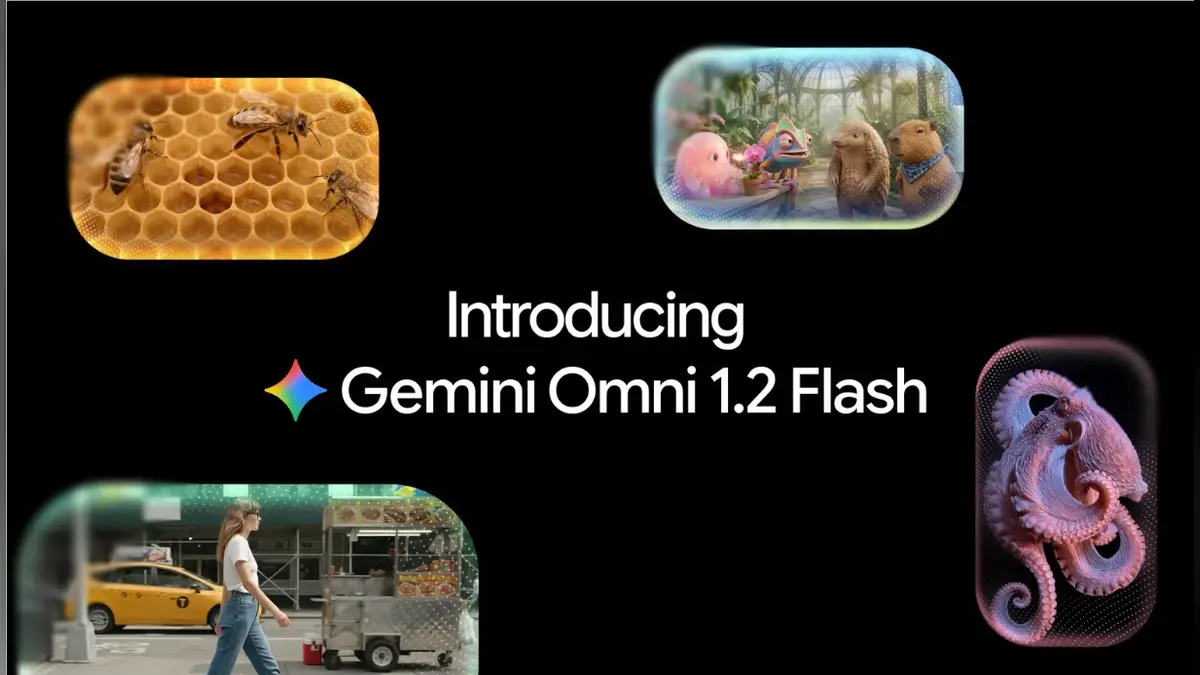
The launch arrived in a crowded news cycle. In the same daily roundup, Google released Omni 1.2 Flash, a fast model aimed at low-latency workloads, and the team behind Taobao’s MNN inference framework open-sourced MNN-Pocket-0.3B, a small model designed to run on devices rather than in a data center. Together the three items sketch the current shape of the market: big companies pushing fast cloud models, small open models moving onto phones and laptops, and middleware players trying to own the layer in between.
For Moonshot, the hosted service is also a commercial move. Running an agent harness around the clock costs money, and a subscription or usage-based service gives the company a revenue stream that does not depend solely on chatbot traffic. It also creates switching costs. Once a team’s agents live inside a provider’s environment, moving them elsewhere means rebuilding workflows, which is exactly the lock-in that cloud platforms have relied on for years.
The competitive field is not empty. Major cloud providers and model makers worldwide are all racing to offer agent platforms, and Chinese rivals have released their own agent tooling in recent months. Moonshot’s differentiator is likely to be price, ease of onboarding and how well the service handles long tasks and multi-agent coordination, the two areas the company highlighted in its announcement.
What remains to be seen is adoption. Hosted agents are infrastructure, and infrastructure businesses grow slowly at first: developers test, compare reliability and only then commit real workloads. The early signals will be how many third-party products actually ship on the service and whether Moonshot publishes usage numbers. For now, the message is clear: Kimi wants to be more than a chatbot, and it is asking developers to let it run the machinery behind their agents.