Google's Gemini 4 Argon Tops AI Benchmarks but Stumbles on Real Work
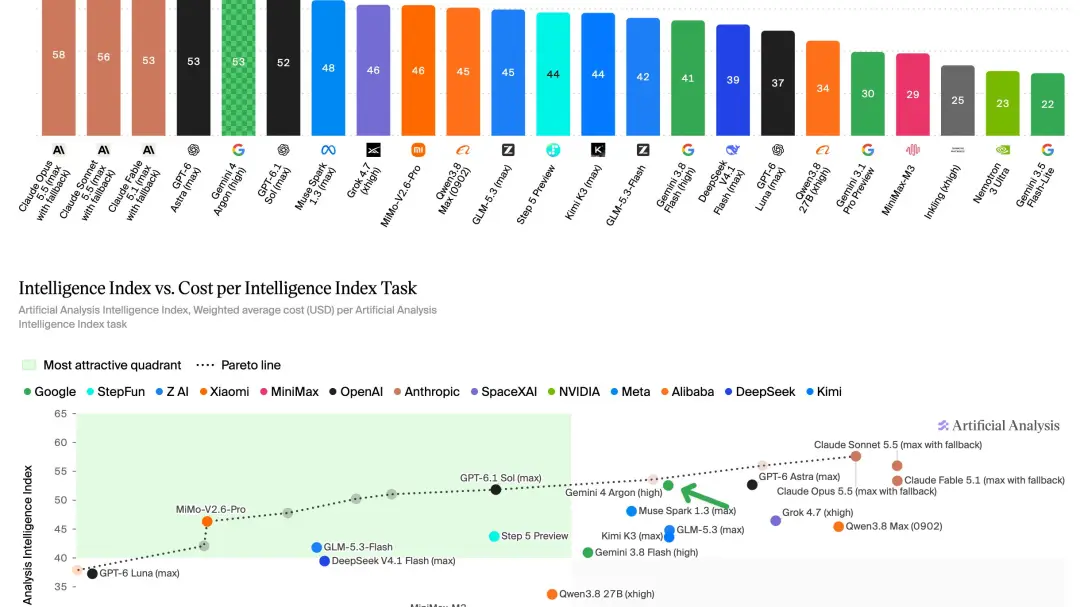
Google’s DeepMind research lab has introduced a new frontier model called Gemini 4 Argon, pitching it as a specialist in hard reasoning and AI coding rather than an all-round assistant. The company says the model performs at a frontier level on software engineering, enterprise knowledge work in fields such as law and finance, and cybersecurity defense.
The launch, reported by Chinese tech outlets including TMTPost and Gelonghui, comes with an unusual rollout plan. Gemini 4 Argon is first being offered to a small group of trusted cybersecurity defenders under something called the Fairwind program. Google says broader access for developers, businesses and consumers will follow once additional safety measures are finished.
Pricing has also drawn attention. Early rates start at a per-million-token input charge, the standard way AI companies bill for text processed by a model. For heavy users, those numbers decide whether a model is affordable at scale, so the initial price is being watched closely by developers who build products on top of such systems.
The Chinese coverage struck a skeptical note. One headline described Gemini 4 Argon as a top scorer on exams that is less impressive when asked to do actual work. Another asked why Google, after ten quiet months, has dropped even the Pro branding that long signaled its premium tier. The implication is that the company is still searching for a product identity in a crowded market.
The benchmark-versus-reality gap is a familiar theme in the AI industry. Models can dominate standardized tests while struggling with messy, multi-step tasks that real users care about, such as debugging a sprawling codebase or drafting a contract with unusual clauses. Buyers increasingly judge tools by those outcomes rather than leaderboard positions.
Google’s emphasis on cybersecurity defense is notable. Security teams face a constant volume of alerts and code review work, and vendors see that as a promising early market for capable reasoning models. Restricting access to vetted defenders also gives Google a controlled environment to study misuse risks before a wide release.
The timing places Gemini 4 Argon in a fiercely competitive field. Rivals in the United States and China are shipping models on overlapping schedules, and enterprise customers now compare price, reliability and safety documentation before committing. A model that wins on reasoning but loses on cost or everyday usefulness may struggle to convert hype into contracts.
For global readers, the story is less about one launch than about the maturing of the AI market. Grand claims about frontier performance are giving way to harder questions: who gets access, what it costs, and whether the tool genuinely helps someone finish work faster. Google’s answer, for now, is a carefully staged release that trades immediate reach for tighter control.