Jingzhou Bets on a Grand Theatrical Complex to Keep Tourists Overnight
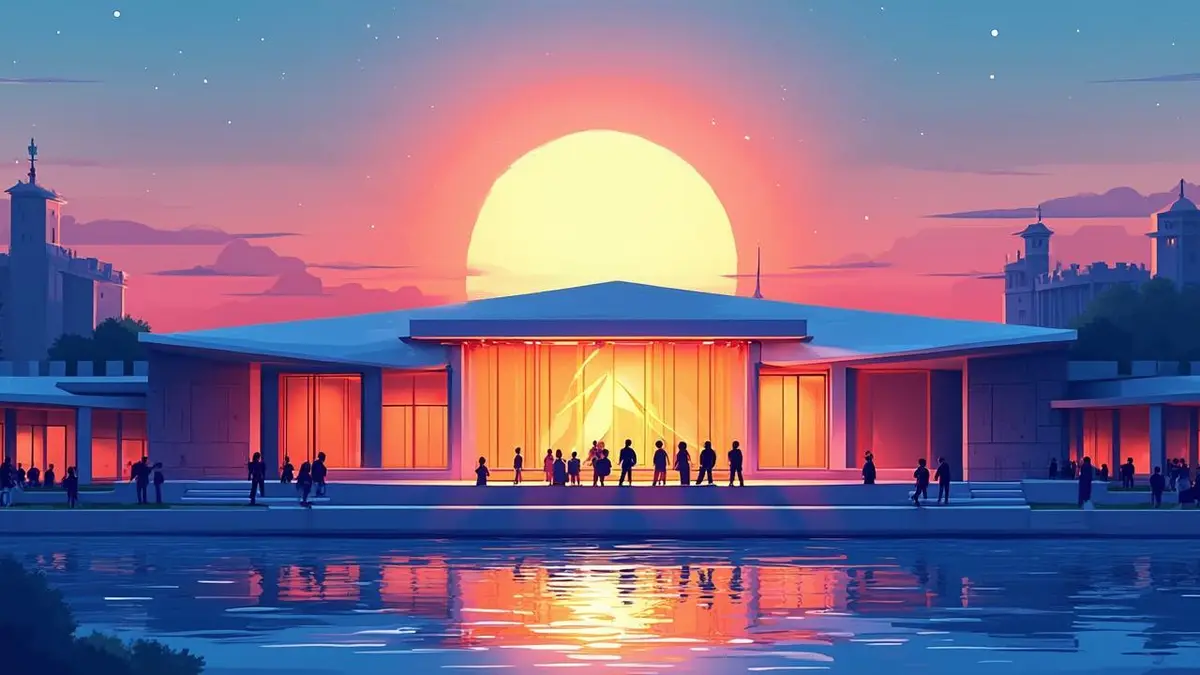
Jingzhou, a city in Hubei province best known to Chinese readers as the setting of the Three Kingdoms epic, is moving ahead with a 438 million yuan (about 61 million US dollars) performance complex called Jingchu Yingxiang, according to a construction filing reported this week. The project is still at the paperwork stage, but its ambition is clear: give the city a dedicated, professionally run stage for a large live show that tourists will plan a night around.
The idea is not new to China. Over the past few years, cities across Hubei have poured money into large-scale theatrical productions staged against real landscapes or inside custom-built venues. Yichang has its Three Gorges spectaculars, Shiyan has a Wudang-inspired show, and Hong’an in Huanggang brought in the team behind a well-known Henan production to build a local version. These shows are seen as a way to extend the tourism chain: visitors who stay for an evening performance also book a hotel, eat dinner in town and spend more before leaving.
Jingzhou started early in this race. It launched three major productions several years ago and already hosts two popular shows at its Fangte theme park, one about the ancient poet Qu Yuan and another celebrating Chu-era music and dance. What it has lacked is a purpose-built performance venue and a single flagship production that could stand for Jingzhou the way other cities’ shows stand for them. The new complex is meant to fill that gap.
For global travelers, the model may feel familiar from Broadway or the West End, but the economics differ. Chinese local governments often treat these theaters as public infrastructure rather than purely commercial bets, using them to draw overnight stays and raise a city’s profile. The risk is that too many cities build similar shows with similar stories, leaving audiences unsure which are worth the trip.
Jingzhou’s advantage is its deep historical material. The city’s association with the Three Kingdoms period gives it a ready-made narrative that Chinese tourists recognize instantly, and the region’s Chu culture offers another layer of music, costume and myth. A well-produced show could turn a half-day stop into a two-night stay on the classic Yangtze itinerary.
The construction filing is an early step, and no opening date has been announced. Still, the project signals that Jingzhou intends to compete for the same nighttime tourism spending as its Hubei neighbors, rather than relying on its old city walls and museums alone. For travelers planning a route through central China, the city is quietly adding a reason to linger after dark.