Inner Mongolia's Ulanqab Becomes a Green Computing Hub
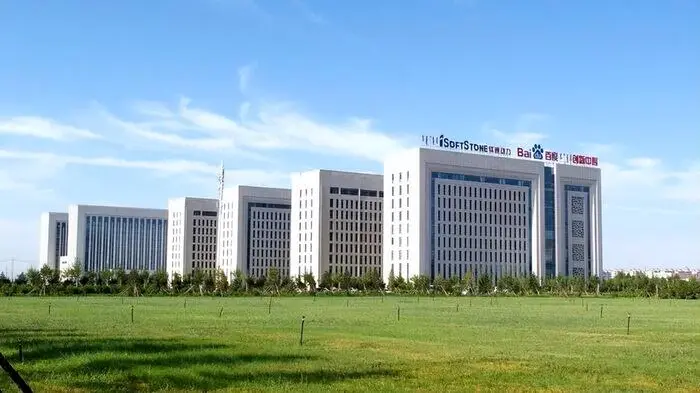
Ulanqab, a city in the northern Chinese region of Inner Mongolia, has long been known for two things: vast grasslands and potatoes. It calls itself China’s potato capital. But a recent wave of attention has introduced the city to a very different audience — the computing industry, where Ulanqab is now a heavyweight in green data centers.
By August 2026, the city’s computing capacity had reached 190,000 petaflops, with intelligent computing — the kind used for AI training and inference — accounting for more than 90 percent. More than 100 data center projects have signed on, and major companies including Huawei, Apple, Alibaba, Kuaishou, ByteDance and the AI startup DeepSeek have set up operations there. The Ulanqab Data Center Industrial Park has become a landmark of the city’s new identity.
Why Ulanqab? The answer lies in its geography and climate. The city sits on a plateau at an altitude of roughly 1,400 meters, where average temperatures are low for much of the year. Data centers generate enormous heat, and cooling is one of their biggest operating costs. In Ulanqab, the naturally cool air can be used for free cooling for a large part of the year, cutting energy use dramatically.
The region is also rich in renewable energy. Inner Mongolia is one of China’s most important bases for wind and solar power, and Ulanqab has built dedicated green power supplies for its data parks. That matters to companies under pressure to reduce the carbon footprint of their AI operations, and it aligns with China’s national push to steer computing infrastructure toward western regions with abundant clean energy — a strategy often described as sending data east and computing west.
For travelers, the shift is adding a new layer to a place already known for its summer grasslands. Visitors who once came only for the wind-swept steppe and the volcanic landscapes near the city now have another curiosity: a growing cluster of high-tech campuses rising from the open land. Local officials have promoted the city as a model of green development, and the influx of engineers and tech workers has begun to change the local economy.
The city’s potato fame has not faded. Ulanqab remains a major producer of potatoes and a center for the potato processing industry, and the annual potato-themed events still draw crowds. But the computing boom has given Ulanqab a second, unexpected identity that is attracting national attention and international investment.
For global readers, Ulanqab offers a window into how China is building the physical backbone of its AI economy — not only in coastal tech hubs like Shenzhen and Hangzhou, but in remote northern cities where land, power and cool air are plentiful. The next time you use a Chinese AI product, some of that computation may well be happening under the vast skies of Inner Mongolia.