Huawei's Kirin 9050 Pro Beats Snapdragon in Gaming Tests
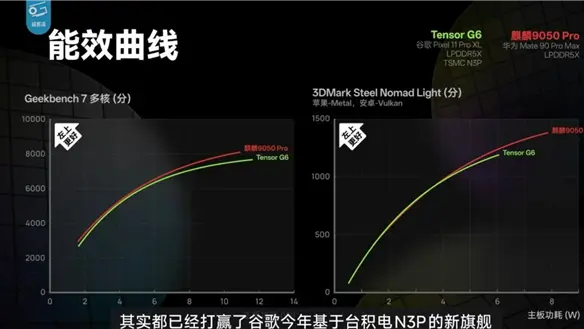
Chinese hardware reviewers at Geekerwan have published a full performance breakdown of Huawei’s Kirin 9050 Pro, the processor reserved for the company’s Mate 90 Pro Max flagship. Their conclusion, released on October 5, is that the chip delivers a notable jump over the previous generation and, in some workloads, edges past Qualcomm’s fifth-generation Snapdragon 8 Elite — the part found in many rival Android flagships sold globally.
The testing focused on sustained, high-load gaming rather than short benchmark bursts. In popular open-world titles, the Mate 90 Pro Max held steadier frame rates than its predecessor, which suggests Huawei has improved both raw compute and thermal management. That combination matters more to everyday players than a peak score, because phones that throttle aggressively after a few minutes tend to feel worse than their spec sheets imply.
The Kirin line is Huawei’s in-house mobile silicon, designed to reduce reliance on outside suppliers. The standard Kirin 9050 already appeared in the Mate XT2, a folding phone, and Geekerwan previously dissected that version. The Pro variant in the Mate 90 Pro Max is a higher-clocked, more power-hungry sibling aimed at buyers who want maximum performance in a conventional bar phone.
For global readers, the significance is less about one phone and more about the direction of China’s chip industry. Huawei’s chip design arm has been iterating quickly under export restrictions that limit access to some advanced manufacturing tools. Each generation that closes the gap with Qualcomm’s flagship tier is a data point suggesting those constraints are slowing, but not stopping, progress.
Qualcomm’s Snapdragon 8 Elite family remains the reference point for premium Android performance worldwide, and phone makers in China and elsewhere build their launch calendars around it. A credible domestic alternative changes the negotiating dynamics inside China’s handset market, even if Huawei’s chips are not sold to other brands.
Reviewers caution that benchmark results depend heavily on cooling design, software tuning and the specific game build tested. A phone that wins one title can trail in another, and frame-rate stability under a 30-minute session tells a different story than a five-minute run. Geekerwan’s multi-round data is useful precisely because it tries to capture that sustained behavior rather than a single headline number.
The Mate 90 Pro Max is expected to be one of Huawei’s most closely watched launches of the year in China, where the brand retains a loyal following despite years of supply-chain pressure. Buyers there increasingly compare phones on gaming endurance, camera processing and battery life — areas where chip efficiency shows up directly in daily use.
What happens next depends on whether Huawei can ship the Kirin 9050 Pro in volume and keep software optimization in step. If it can, the premium Android segment in China looks set for a genuine two-horse race, and the performance gap that once defined the market will keep narrowing.