China Moves to Fix the Late-Payment Chain Crippling Small Firms
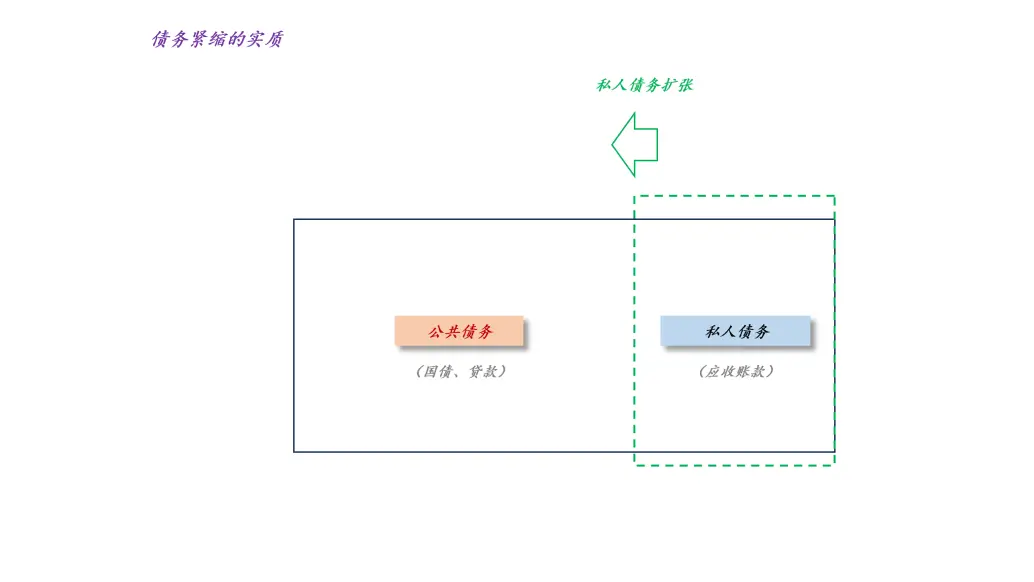
For years, one of the most quietly damaging problems in China’s economy has been a simple one: getting paid on time. Small and mid-sized suppliers deliver goods or services, then wait months for the money. In the meantime they owe their own staff, landlords and banks. The result is a chain of late payments that can strangle a healthy business long before any customer stops buying.
On 10 September 2026, the State Council General Office issued a notice on strengthening the governance of the payment difficulties facing small and medium-sized enterprises. Four days later, at a regular State Council policy briefing, officials laid out how the work would proceed. The message was that settling overdue bills is no longer just a matter of corporate manners. It is being treated as a systemic issue that affects employment, tax revenue and the willingness of private firms to invest.
The problem is often described in Chinese as sanjiao zhai, or triangular debt. Company A owes Company B, which owes Company C, which in turn is waiting on payment from Company A. When one link stalls, the whole chain tightens. In a fast-growing economy this is survivable, because everyone expects tomorrow’s revenue to cover today’s shortfall. In a slower one, it becomes a trap. Firms stop extending credit, stop hiring, and hoard cash. The slowdown feeds on itself.
That is why the payment question sits at the centre of a larger debate now under way among Chinese economists. In September, the Tsinghua PBCSF chief economists forum in Beijing became a talking point after prominent researchers clashed over whether China should lean more on investment or on consumption to drive growth. The discussion was not abstract. If households are cautious and consumption is soft, then investment — especially private investment by smaller firms — has to carry more weight. But private firms will not invest if they cannot collect what they are owed.
The policy response appears to be two-pronged. One strand is legal and administrative: making it harder for large buyers, including state-owned enterprises and local governments, to leave suppliers waiting indefinitely. The other is financial: giving smaller firms better tools to turn receivables into cash, and reducing the pressure that forces them to borrow at high rates just to bridge the gap.
Officials have framed the effort as part of a broader push to improve the business environment for private companies. That framing matters. Late payment is not only an accounting irritant; it shapes whether entrepreneurs feel secure enough to expand. When a factory owner in Guangdong or Zhejiang cannot predict when a key customer will pay, the rational move is caution. Caution, multiplied across millions of firms, becomes weak aggregate demand.
Economists caution that changing behaviour takes time. Payment habits are embedded in contracts, bargaining power and local incentives. A large buyer that delays payment is, in effect, enjoying an interest-free loan from its suppliers. Removing that advantage will require steady enforcement, not a single document.
For global readers, the story is a reminder that China’s growth debate is not only about grand industrial strategy or consumer sentiment. It is also about the plumbing: contracts, invoices, payment terms and the trust that lets a supply chain function. Fix the plumbing, and the rest of the economy flows more easily. Leave it clogged, and even well-designed stimulus can struggle to reach the firms it is meant to help.