Kling 4.0 Arrives, and Its Maker May Be Worth More Than Kuaishou
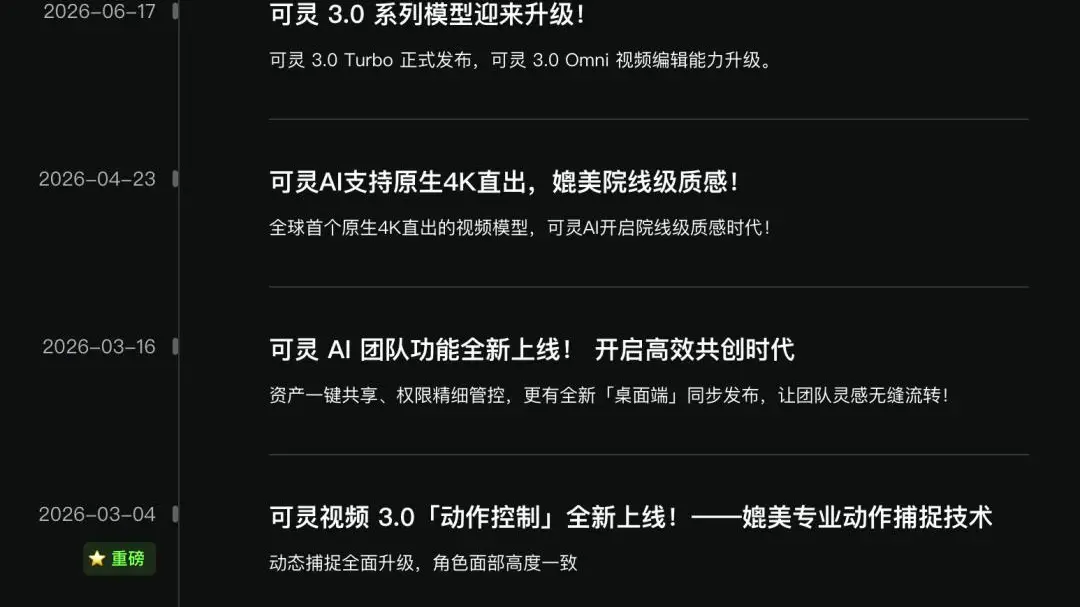
Kuaishou, one of China’s two big short-video platforms alongside Douyin, has a problem familiar to every mature consumer internet company: its main business is huge, profitable and slowing. Its answer, for the past two years, has been Kling, the AI video generator built in-house. This week the company released Kling 4.0, and the conversation in Chinese tech circles has shifted from what the model can do to what the unit is worth.
The striking claim making the rounds is that Kling’s valuation could overtake Kuaishou’s own market capitalization. That may sound like hype, but the logic is not wild. Public investors value a short-video platform on ad load, user growth and e-commerce take rates, all of which are approaching ceiling. They value an AI video business on something else entirely: global demand for generated clips, paid subscriptions and enterprise licensing, a market still early enough that no one knows its size.
Kling has earned attention outside China too. Its models have been used for short films, advertising mockups and social clips, and it competes with a crowded field that includes Runway and OpenAI’s video tools internationally, plus a wave of Chinese rivals at home. What sets Kling apart is distribution: it sits inside an app with hundreds of millions of users, giving it a free testing ground and a natural funnel for paid tiers.
Version 4.0 continues that push, with better motion, longer shots and more control over what the model generates. For creators, the practical question is whether AI video has crossed the line from novelty to tool. For Kuaishou, the strategic question is harder: if Kling is the growth story, should it be a feature of the app or a company of its own?
There is precedent for spinning out an AI unit to let it raise money at a higher multiple than the parent. Chinese internet giants have done this with cloud and chip divisions, and investors often reward focus. But a spin-off also means giving up control of the asset most likely to define the next decade, and Kuaishou’s management has so far treated Kling as core.
The timing matters. Kuaishou’s advertising revenue is tied to a domestic economy that is growing slowly, and its overseas push in markets like Brazil is promising but expensive. A high-value AI unit gives it a story for investors and a currency for deals. It also invites scrutiny: how much of Kling’s revenue is real, and how much is internal accounting?
The broader context is that China’s AI video sector is consolidating. Rivals are reportedly exploring mergers, and everyone is squeezed by ByteDance, whose scale and data make it a formidable competitor. In that fight, being the AI arm of a listed company has advantages, including patient capital, and disadvantages, including the quarterly pressure to show returns.
For global readers, the Kling story is a useful window into how China’s internet companies are trying to reinvent themselves. The short-video boom made Kuaishou rich. Whether AI can make it relevant again, and whether the market will pay more for the tool than the platform, is the question 4.0 is really answering.