Tesla-SpaceX Merger Talk Resurfaces as Barclays Fields Client Questions
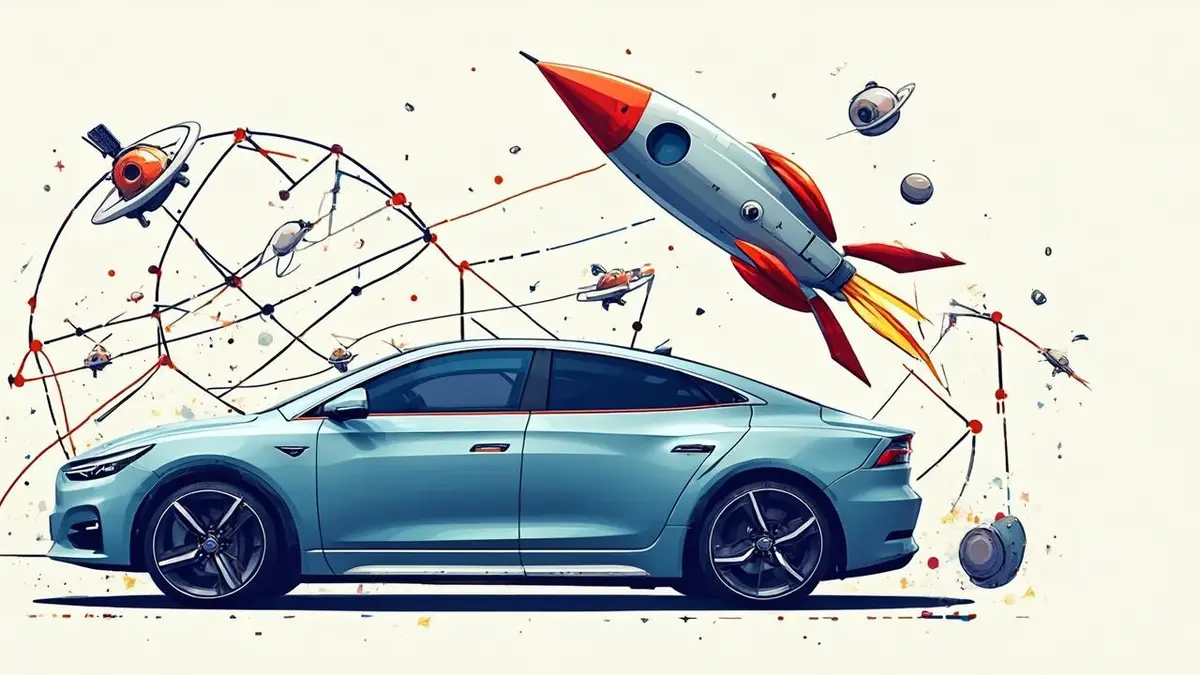
A potential merger between Tesla and SpaceX is once again drawing attention, after analysts at Barclays said they have been fielding questions from clients about a possible combination of the two Elon Musk-led companies. According to a report from Chinese tech outlet TMTPost, Barclays analyst Dan Levy has been addressing those inquiries, suggesting the idea has moved from internet speculation into mainstream investor conversation. Neither company has announced any transaction, and the talks described are speculative.
The logic behind such a deal is not hard to follow. Tesla is a publicly traded electric-vehicle maker whose shares have swung sharply with the mood around EV demand and autonomy. SpaceX is a private rocket and satellite company that has become one of the most valuable unlisted firms in the world, thanks to its reusable launch business and its Starlink internet constellation. Bringing them together would create an entity spanning cars, energy, rockets and satellite broadband — an unusual combination even by the standards of modern technology conglomerates.
For Tesla shareholders, the appeal would be exposure to SpaceX’s growth without waiting for an initial public offering. For Musk, a merger could simplify a corporate empire that already shares technology, talent and ambition across its borders. Engineers move between the companies, and both rely on similar skills in software, manufacturing and vertical integration. But the obstacles are just as large. SpaceX has its own investors, including venture funds and sovereign wealth vehicles, whose approval would be required. Regulators in multiple countries would scrutinize a deal that concentrates so much strategic infrastructure in one company.
Valuation is another complication. Tesla trades on public markets, where its price moves every day. SpaceX’s worth is set by private funding rounds, which are less transparent and can lag reality. Agreeing on an exchange ratio would be a negotiation in itself. Analysts quoted in the report did not present a timeline or a formal proposal, only the questions they are hearing from clients.
The timing of the chatter is notable. Tesla has been pushing into robotaxis and artificial intelligence, areas where SpaceX’s satellite network could theoretically play a role in connectivity. Starlink already provides internet service in remote regions, and a combined company could bundle vehicles, charging and broadband in ways neither can alone. Whether that vision justifies a merger, or simply reflects the ambitions of one founder, is the question investors are trying to answer.
For now, the story is a reminder of how much of the technology landscape rests on a small number of very large personalities and the companies they control. A Tesla-SpaceX combination would be one of the largest corporate events in history if it ever happened. Until then, it remains a talking point — one that analysts are paid to take seriously, even without a deal on the table.
Readers outside the United States may wonder why this matters. Tesla sells cars in Europe and Asia, and SpaceX launches satellites used by broadcasters and governments worldwide. Any change in their ownership structure could ripple through supply chains, launch schedules and competition policy far beyond American borders.