Zhu Yuling Bids Farewell to Asian Games After Quarterfinal Loss
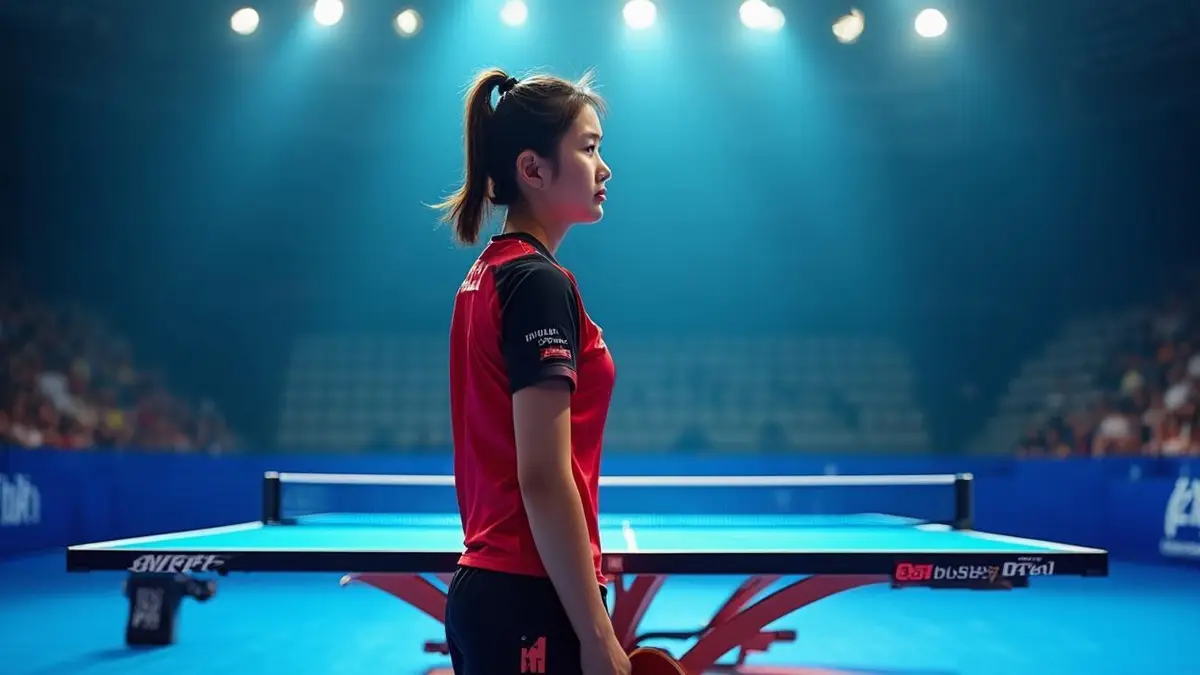
NAGOYA, Japan — Chinese table tennis player Zhu Yuling ended her third Asian Games campaign on September 26 with a quarterfinal loss to Japan’s Hina Hayata in the women’s singles. The defeat marked the close of a 12-year span that began when she was a 19-year-old at the 2014 Incheon Games.
Zhu, now 31, took to social media the following day to reflect on the journey. “Twelve years ago in Incheon, I was 19. I thought the table was the whole world, and the color of the medal was the answer,” she wrote. “Twelve years later in Nagoya, at 31, my answer has changed. The medal is only part of my story.” She added that she now knows why she still stands at the table.
Her results in Nagoya were modest by her standards: six wins and two losses, a team event exit in the round of 12, and a singles quarterfinal finish. After leaving the court, her first words to reporters were, “If only I were five years younger.” She acknowledged the thought was born of frustration but said she has learned to accept it.
Zhu’s career has been defined by resilience. She rose to prominence as a teenager, known for her quick footwork and relentless counterattacking style. She won multiple world team titles and reached the top of the world rankings, but injuries and the rise of younger teammates repeatedly tested her. Her emotional farewell resonated with fans who have followed her through every comeback.
Table tennis holds a unique place in Chinese sports culture, often called the national sport. The Asian Games, held this year in Nagoya, Japan, brought together the continent’s best. For Chinese fans, the women’s singles draw was a focal point, and Zhu’s exit — along with the earlier departure of teammate Chen Xingtong — signaled a shift toward a new generation of players.
Japan’s Hina Hayata, who defeated Zhu, has become a familiar rival for Chinese players. The match highlighted the growing depth of Japanese table tennis, particularly in women’s singles. While China remains the dominant force in the sport, the gap at the top has narrowed in recent years.
Zhu’s post did not announce retirement, leaving the door open for future competition. She wrote that she is still searching for her own answer, and that the journey continues. For now, she leaves Nagoya with a mix of disappointment and clarity — a veteran who has learned that sport is about more than medals.
As the Asian Games close, Zhu’s words serve as a reminder of the emotional weight carried by athletes who compete at the highest level for over a decade. Her story is one of persistence, adaptation, and the quiet courage to keep going even when the results no longer define you.