Hu Ge Carries a Heart Pill and an AED: A Star's Fear Goes Public
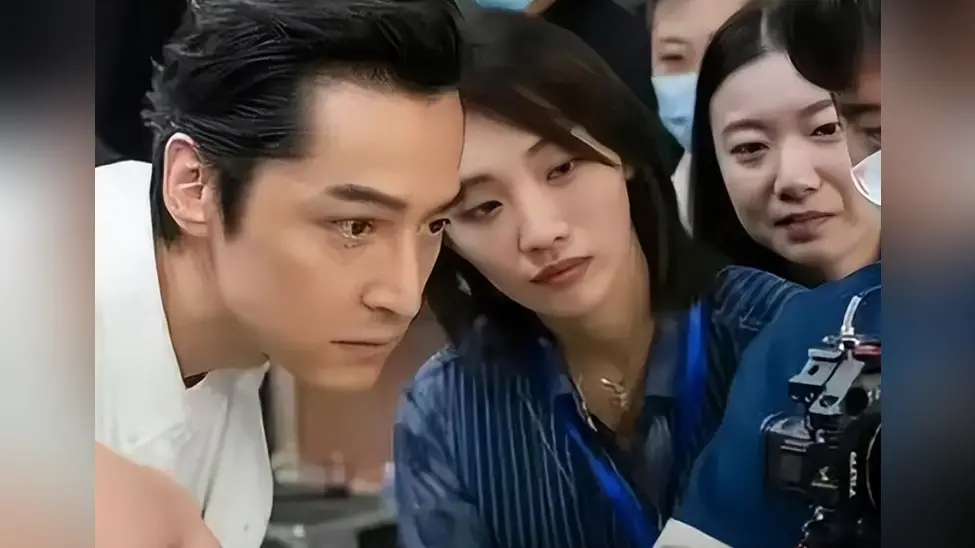
Hu Ge, one of China’s most recognizable actors, does not give many interviews. When he does, they tend to travel. In a recent sit-down for a medical program, he reached into his pocket and produced a small bottle, the kind older Chinese viewers know on sight as suxiao jiuxin wan, a rapid-relief heart pill kept for emergencies. Then he added something less expected: wherever he goes, he also carries an AED, an automated external defibrillator.
Hu, 44, framed the habit not as hypochondria but as fear. He described a persistent sense that the body can fail without warning, and that preparation cannot wait until something happens. For a celebrity whose face became familiar nationwide through the 2005 fantasy drama Chinese Paladin, the image of a star packing a defibrillator is a striking contrast with the polished public persona such figures usually maintain.
The story landed because it fits a wider unease. China’s entertainment industry runs on punishing schedules, overnight shoots and long stretches away from home, and middle-aged performers often keep working at a pace designed for people half their age. Hu’s bottle and his AED turn a vague worry about sudden cardiac arrest into a concrete, portable routine, and the reaction online suggests many viewers recognized the instinct even if they do not share the equipment.
His choice of venue matters too. This was a medical program, not a variety show, and the interview format gave him room to talk about the body without the usual promotional framing. The pill bottle was a prop only in the sense that it was real; the message was that health planning is a practical task, not a morbid one.
For younger fans, the AED is the more surprising object. Public awareness of automated defibrillators has grown in China, but carrying one personally is unusual outside professional or high-risk settings. Hu’s example sketches a kind of preparedness that sits between ordinary caution and something closer to a personal emergency kit, and it raises the question of whether such habits will spread among people whose work leaves little margin for rest.
There is a quieter point underneath the medical detail. Hu has spoken before about the cost of a long career, and the interview adds a middle-aged reckoning to a public image built on youth-oriented roles. The actor who once embodied a sword-wielding hero now talks about what he keeps in his pocket in case his heart stops. That shift is the story’s real weight, and it is why the clip spread well beyond the program’s usual audience.
What remains unclear is whether the disclosure changes anything practical. A single interview does not alter shooting schedules or industry norms, and Hu did not propose a campaign or a policy. But it does put a famous face on a fear many middle-aged workers share, and it makes the contents of a coat pocket into a small public argument about planning ahead. For an industry that rarely discusses the bodies behind the performances, that is a notable opening.