Cellular Cleanup Has a Sweet Spot, and Exercise May Find It
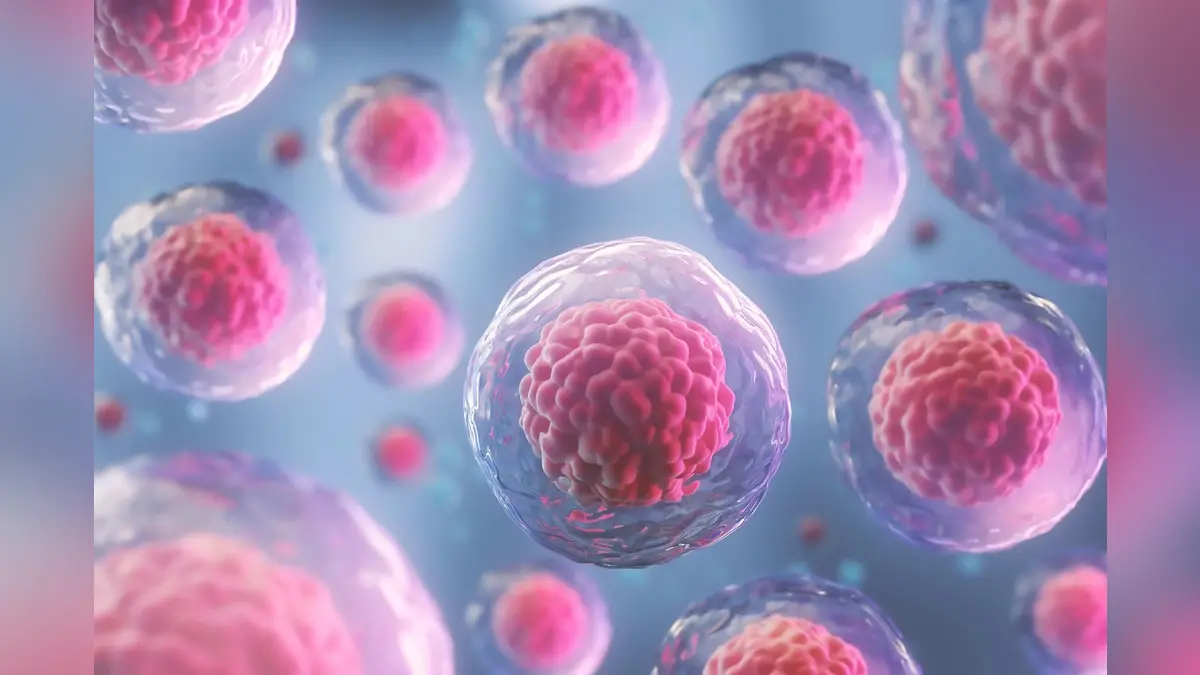
Every cell in your body runs a constant waste-disposal service. Damaged proteins, worn-out organelles and other debris are swept up and broken down through a process called autophagy — literally self-eating — so that the machinery of life keeps running smoothly. For years, the popular version of this idea was simple: more cleanup is better. Boost autophagy, live longer. A new set of findings from researchers at Sanford Burnham Prebys, reported in October 2026, suggests the reality is more interesting, and more awkward.
The scientists describe what they call a paradox at the heart of cellular aging. Autophagy is not a dial that only goes in one helpful direction. Push the cleaning process too hard, or let it run in the wrong context, and it can stop protecting a cell and start damaging it. Aged cells, in other words, may not simply be dirty cells that need a stronger broom. They may be cells whose entire housekeeping schedule has drifted out of balance.
That distinction matters because a large slice of the wellness and supplement industry has been built on the simpler story. Fasting, certain plant compounds and a long list of pills are marketed with the promise that they switch on autophagy and thereby slow aging. If the process has an optimal range rather than a simple upward curve, then more is not automatically better, and the marketing gets ahead of the biology.
The most striking part of the work is the proposed remedy. The researchers suggest that exercise may help cells recover the balance they had in younger days — not by maximizing cleanup, but by restoring its rhythm. That fits a broader shift in aging research, where interventions are judged less by how hard they push a single pathway and more by whether they return a system to healthy regulation. A body under physical stress is not a body at rest, and the repair that follows training is one of the most reliable levers known to biology.
The study was conducted on human embryonic stem cells, a laboratory system that lets scientists watch these processes closely but is not the same as a living adult. The findings, then, are a challenge to a model rather than a recipe for readers. Nobody should conclude that a harder workout or a skipped meal is a proven anti-aging treatment. What the work does is reopen a question that had seemed settled: what, exactly, is a young cell doing that an old one has stopped doing?
That question has commercial weight. Autophagy has become one of the most crowded frontiers in the supplement aisle and in longevity clinics, where the language of cell biology is used to sell products with far less evidence than the underlying science. A finding that complicates the one-directional story gives regulators, researchers and consumers a reason to ask for measured outcomes rather than pathway names on a label.
For a general audience, the practical takeaway is modest and familiar. The biology of aging looks less like a switch to be flipped and more like a thermostat to be tuned. Exercise remains the intervention with the deepest evidence base, even if the mechanism is still being mapped. The next step for this line of work is to show whether the same rebalancing happens in living animals and in people, and whether any drug or supplement can reproduce what a training session appears to do.