In Brazil's Power Grid, China and Japan Bet on Opposite Models
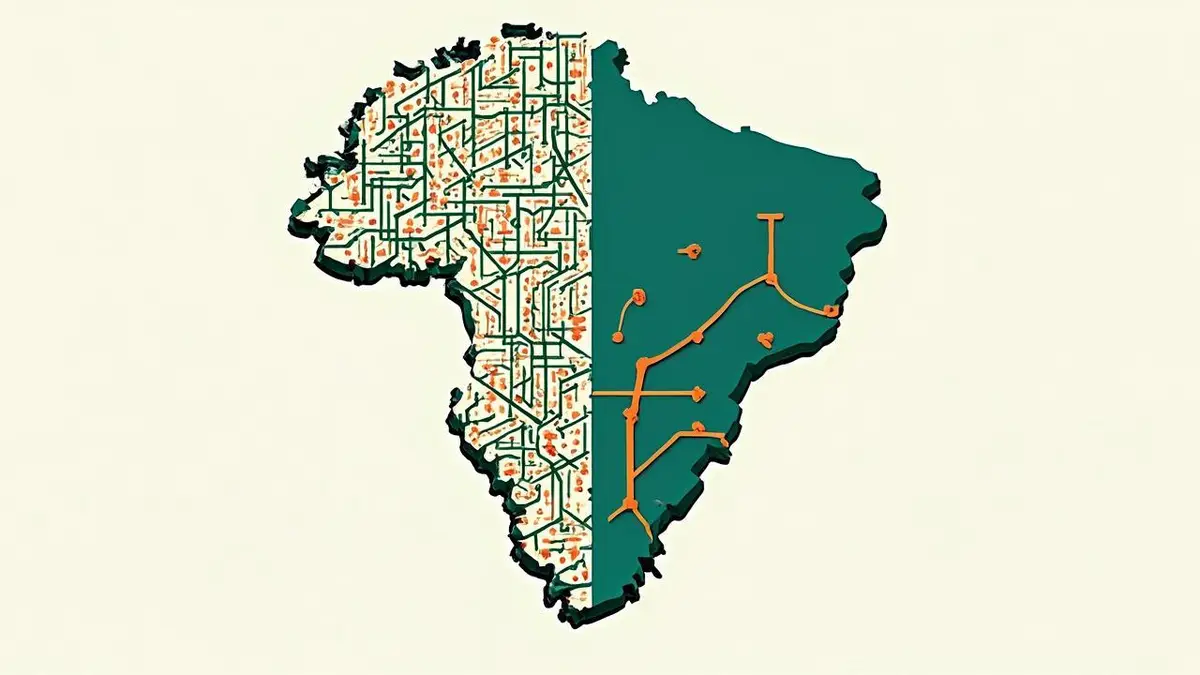
Brazil’s electricity grid is entering a long build-out. New transmission lines are still being planned, and once they are switched on they will earn regulated revenue for decades. That makes the country one of the world’s most attractive markets for power equipment, and it has drawn two very different strategies from Asia’s two biggest industrial economies.
Chinese suppliers, according to industry analysis, are pushing to lock in positions early. The logic is straightforward: whoever secures a place on a project today can convert it into years of equipment orders, spare parts, maintenance contracts and upgrades. In a market where new lines will keep operating for 30 years or more, the first contract is worth far more than its headline value. The goal is not a single sale but a durable seat at the table.
Japanese companies have taken a different road, the analysis suggests. Rather than fighting for every early slot, they have tended to concentrate on higher-value niches, disciplined bidding and long-term relationships with the utilities and engineering firms that run Brazil’s grid. The approach is slower and less visible, but it is built around the same insight: the money in transmission is not in the first delivery, it is in the decades that follow.
The contrast matters because Brazil’s grid expansion is expected to run for another ten years. Each new line adds to a network that already stretches across a continent-sized country, from hydropower in the Amazon basin to load centres in the southeast. The equipment needed — transformers, switchgear, cables, converters for long-distance links — is highly specialised, and the suppliers that win the early contracts tend to keep the follow-on work.
For Chinese manufacturers, Brazil is also a test of a broader shift. Exporting hardware is one thing; running local service networks, meeting local content rules and staying close to customers for decades is another. The companies that treat Brazil as a long-term operating market rather than a shipment destination are the ones most likely to convert early positions into steady profit.
Japan’s experience offers a counterpoint. Its firms have long been present in Latin America’s power sector, often through partnerships and joint ventures rather than headline-grabbing bids. That presence can be a disadvantage when a market rewards speed and scale, but it can also protect margins when competition intensifies.
What both approaches share is a bet on time. Brazil’s new lines will not be judged by the price of the first transformer; they will be judged by whether the equipment keeps working, whether the service contracts hold and whether the supplier is still there when the next round of expansion begins. The companies that understand this are positioning themselves for the part of the business where the profits actually sit.
The next stage will be visible in contract awards and in the local footprints the two sides build. For global readers, the lesson is that infrastructure competition is rarely decided by the lowest bid. It is decided by who can turn a single project into a position that lasts as long as the assets themselves.