Why Chinese Carmakers Are Betting on Lula's Brazil
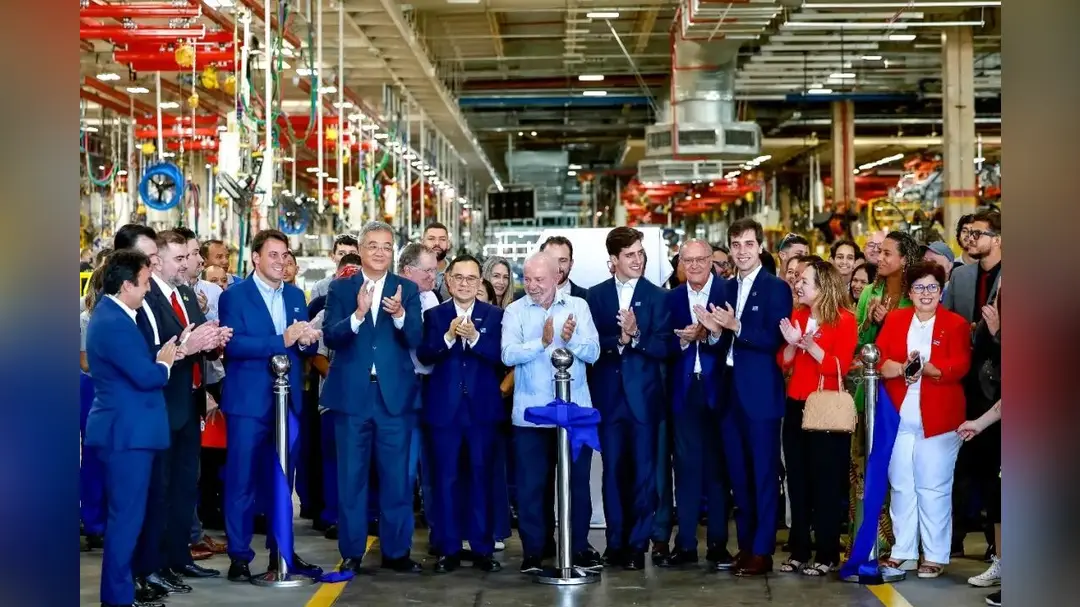
Seventy years ago, the arrival of the car industry changed Brazil. It built factories, trained workers and created a middle class — and, in a story Brazilians like to tell, it even produced a president. Luiz Inácio Lula da Silva, a former metalworker from the industrial belt around São Paulo, rose from the shop floor of that boom.
Today that same industry is being remade, and the new arrivals are Chinese. Automakers from China are moving into Brazil at a moment when the country is searching again for an industrial path, and the pairing has drawn attention far beyond the showroom.
The logic on both sides is easy to see. Brazil is one of the world’s largest car markets, with a long history of making vehicles locally and a public that knows how to buy them. China, meanwhile, has built the world’s biggest electric-vehicle supply chain and is looking for markets where demand is still growing and where local production can soften the cost of imports.
For Chinese brands, Brazil is not just another export destination. It is a test of whether they can do what older global carmakers once did: arrive, build, hire and become part of the local industrial landscape rather than a shipment that comes and goes. That means factories and supplier networks as much as showrooms.
For Brazil, the appeal is familiar. A car industry brings jobs, tax revenue and technical skills, and it gives a government something concrete to point to when voters ask where growth will come from. The question is whether a new round of investment can repeat the old formula under very different conditions — electrification, global competition and a market that is far more crowded than it was in the 1950s.
The story of Lula and the car industry is really a story about how a country climbs the industrial ladder. Brazil did it once with foreign carmakers and domestic ambition. Whether it can do it again with Chinese partners is the open question, and the answer will be written in factories, payrolls and the models that end up on Brazilian roads.
What makes this moment worth watching is that it cuts both ways. Chinese automakers get a large, established market and a base for further expansion in Latin America. Brazil gets capital and know-how at a time when it needs both. But the fit is not automatic: local expectations, price sensitivity and the sheer difficulty of building a brand from scratch all stand in the way.
The coming years will show whether this is a genuine industrial partnership or a short-lived wave of exports. For now, the attention is on a country that once turned cars into a president — and on whether a new generation of carmakers can become part of that story.