Alipay Joins Tesla's Car Screen as China's Tech Giants Move In
Tesla owners in China are getting a new passenger in the car: Alipay. On October 20, the payments and lifestyle app run by Ant Group became the latest Chinese internet heavyweight to put its services inside Tesla’s vehicle system, according to a report on the tie-up.
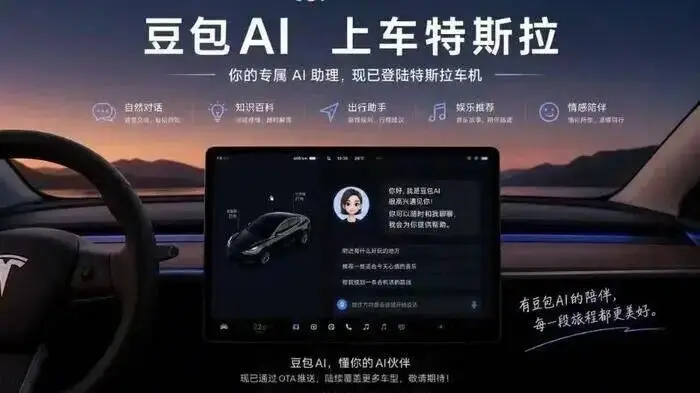
The move caps a rapid run of partnerships. First came Tencent, which connected WeChat into Tesla’s cars. Then ByteDance arrived, with its Doubao large language model reaching the car’s infotainment system. Now Alibaba’s Alipay has joined, meaning three of China’s biggest internet companies have been brought in by Elon Musk’s carmaker within a short stretch of time.
The pattern says a lot about how foreign car brands compete in the world’s largest electric-vehicle market. Tesla builds the hardware and the software foundation, but Chinese drivers live inside a handful of super-apps — WeChat for messaging and payments, Alipay for paying, booking and daily errands, and AI assistants for everything from navigation to conversation. Rather than trying to rebuild those habits from scratch, Tesla is inviting the platforms in.
For Alipay, the car cabin is the next screen worth owning. The app already covers payments, ride hailing, utility bills and travel booking in China, and Ant Group has been pushing to keep Alipay central to everyday life as competition in mobile payments intensifies. A car dashboard that can pay for a parking spot or a charging session without reaching for a phone is a natural extension of that ambition.
For Tesla, the calculus is defensive as much as offensive. Chinese rivals such as Xiaomi, Huawei-backed Aito and a crowded field of domestic brands market their cars heavily on smart-cabin features — voice control, app ecosystems and seamless handoff between phone and vehicle. Matching that experience with familiar Chinese apps helps Tesla keep its cabins feeling local rather than imported.
The WeChat integration and the Doubao model point to a broader shift: the car is becoming another device in China’s app economy, not a sealed box. Messaging, payments and AI chat are all moving onto the dashboard, and carmakers that insist on building every service themselves risk looking dated next to rivals that borrow the platforms drivers already use.
There are open questions. Which services each partner will actually offer inside the car, how data is handled, and whether drivers will pay for any of it remain unclear from the early announcements. Integration depth also varies: a chat model in the infotainment system is a different proposition from payments that touch a driver’s wallet.
What is clear is the direction. Musk’s company, which has faced intensifying competition in China from cheaper and increasingly software-savvy local brands, is assembling a roster of Chinese partners rather than going it alone. With Tencent, ByteDance and now Alibaba on board, the next question is who else gets a seat — and whether these partnerships turn into features drivers actually use every day.