Alibaba, Doubao and the AI Battle Inside China's Double 11 Shopping Cart
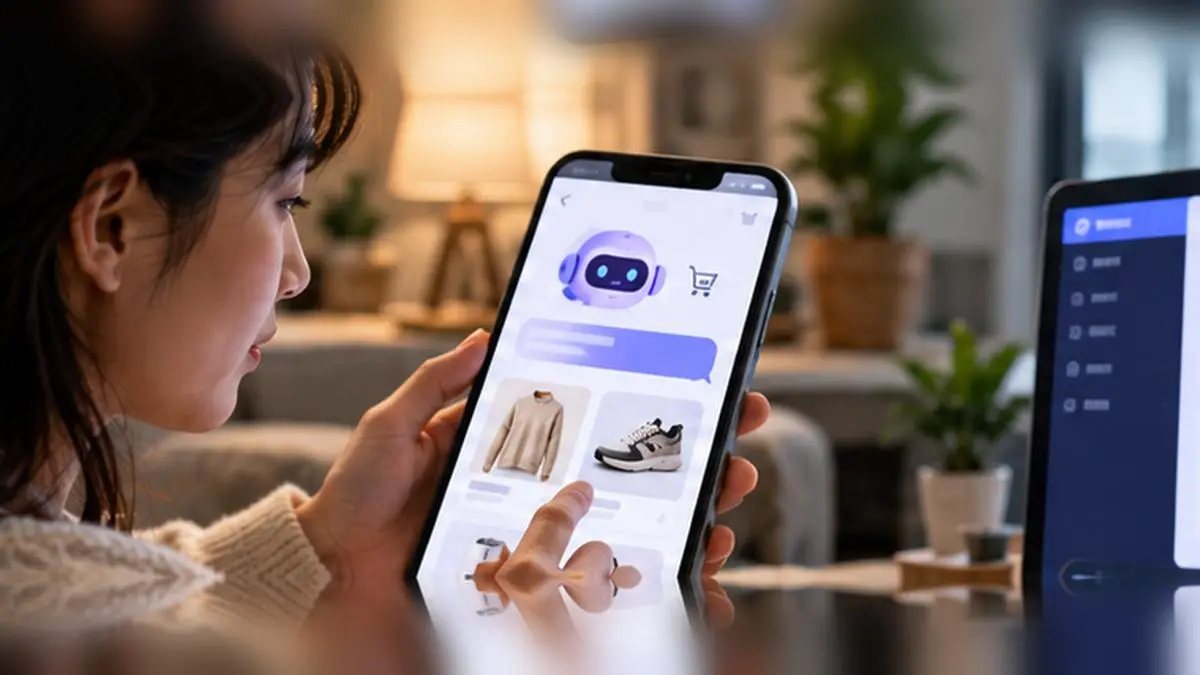
China’s Double 11 shopping festival, the annual November sales marathon that dwarfs Black Friday in volume, has acquired a new participant this year: the AI agent. According to Chinese tech outlet 36Kr, the run-up to the 2026 edition has turned into a quiet contest between the country’s biggest platform companies over who controls the layer between a shopper and a purchase.
On October 13, Alibaba launched a personal assistant called Qwen Go, built on its Qwen family of large language models. The company framed it as a shopping companion that can compare prices across listings, stack coupons, and automatically request price-protection refunds when an item drops after purchase. It also handles everyday errands beyond retail. A day later, Alibaba released an office and e-commerce edition of Qwen aimed at merchants, pitching a single AI workspace that manages a seller’s business across multiple platforms.
ByteDance’s Doubao phone assistant arrived at roughly the same moment, but with a less smooth debut. The 36Kr account describes it running into obstacles as it tried to act on users’ behalf, a reminder that an agent capable of pressing buy is also an agent that platforms and payment systems must agree to trust.
The merchant side may prove the stickier business. During Double 11, sellers face a compressed burst of orders, inventory swings and advertising spend that is hard to manage manually. AI tools that watch stock levels, analyze which promotions actually convert, and mass-produce marketing copy promise to take over exactly the repetitive work that spikes in November. For Alibaba, bundling those tools into its merchant console is a way to keep sellers inside its ecosystem rather than letting them coordinate across rivals.
There is a consumer angle too. A shopping agent that compares prices and hunts coupons is only useful if it can see enough of the market. That gives platforms an incentive to keep their catalogs and discount rules partly closed, which is why the assistant wars are as much about access as about model quality.
Double 11 has long served as a stress test for Chinese retail infrastructure: payment systems, logistics networks and livestream commerce all grew up around it. AI agents are now being measured by the same standard. Can an assistant reliably catch a price drop, file the refund and confirm it landed, at the scale of hundreds of millions of shoppers? The festival’s volume will expose any weakness quickly.
The broader signal is that Chinese AI companies are pushing their consumer products from conversation into transactions. Chatbots that answer questions are familiar; assistants that spend money on a user’s behalf raise harder questions about permission, error and who bears the cost when an automated purchase goes wrong. This year’s shopping season is where those questions get tested in public, with real carts and real refunds on the line.