China's EV Repair Shortage: Double the Pay, Still No Takers
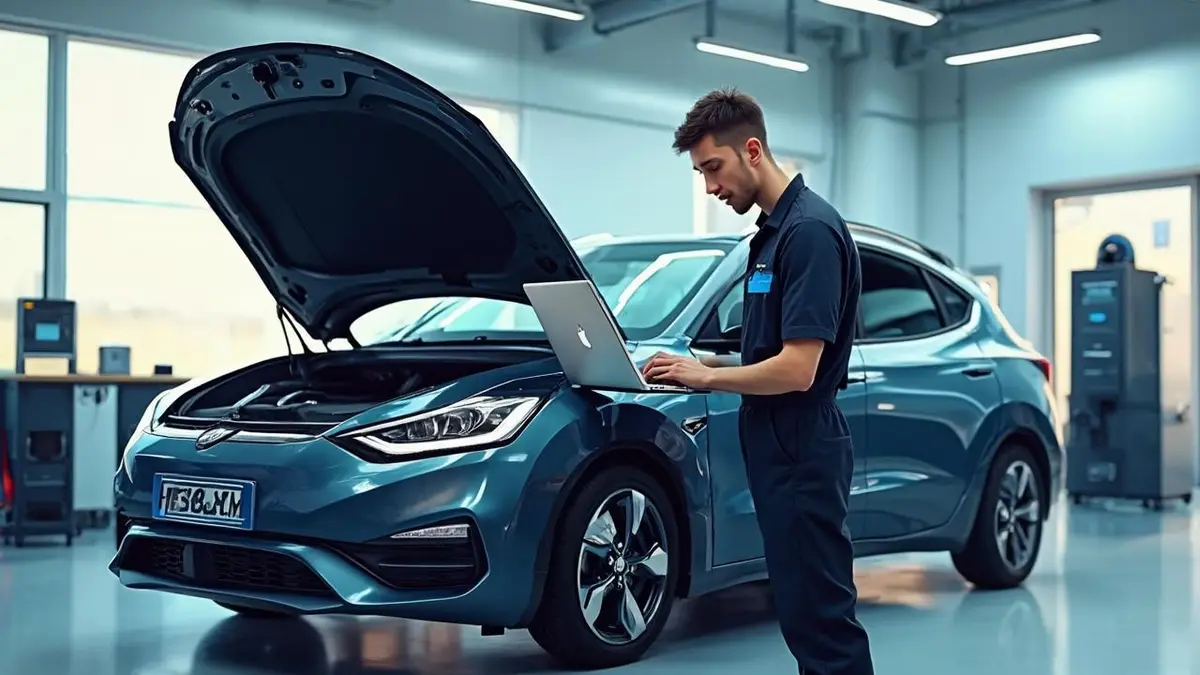
China’s electric vehicle boom has created an unexpected bottleneck far from the showroom floor: there are not enough people who know how to fix them. At the 48th WorldSkills competition in Shanghai this September, one of the loudest and busiest arenas was vehicle technology, where contestants calibrated radar sensors, diagnosed high-voltage systems and repaired body panels on modern cars. Their skills, organizers say, are exactly what the market is desperate for.
A decade ago, fixing a car was mostly about engines, transmissions and hydraulics. Today’s electric vehicle is a different machine altogether. It is part mechanical hardware, part high-voltage electrical system and part rolling computer, with software controlling everything from battery management to advanced driver assistance. A technician who cannot read code or interpret sensor data is increasingly helpless under the hood.
That complexity has reshaped the job. Repair work now spans traditional mechanics, electrical engineering and a little programming. Industry insiders describe the modern repair bay as a place where a laptop is as important as a wrench. Yet the supply of workers with that hybrid skill set has not kept pace with the millions of new energy vehicles hitting Chinese roads each year.
Media reports describe a market where wages have doubled and positions still go unfilled. Dealerships and independent workshops compete fiercely for experienced hands, and many resort to training raw recruits themselves. The gap is not simply about numbers. It reflects a deeper mismatch between how quickly the vehicle fleet has electrified and how slowly vocational education and apprenticeship systems have adapted.
China is trying to close that gap through competitions and industry partnerships. At the WorldSkills event in Shanghai, automakers supplied vehicles, materials and technical mentors to contestants, treating the contest as a recruiting pipeline. Some companies begin working with young technicians during training, then hire them into real service roles where they continue to develop on live projects. It is a model that mirrors how Germany and Japan have long nurtured skilled trades.
The challenge extends beyond passenger cars. Chinese construction machinery, buses and heavy trucks are exported around the world, and increasingly those machines are electric. Servicing them abroad requires technicians who understand both diesel-era hydraulics and modern battery-electric drivetrains. As Chinese equipment reaches more overseas markets, the demand for such workers multiplies, creating opportunities for those willing to learn.
The stakes are high for consumers, too. As vehicles age, battery degradation, software updates and electronic faults become routine. A shortage of qualified technicians means longer waits, higher bills and the risk of improper repairs that compromise safety systems such as automatic braking and lane keeping. For automakers, a weak service network can erode the brand loyalty they have fought hard to build.
For global readers, the story is a reminder that the electric transition is not only about factories and fast charging. It also depends on a less glamorous workforce: the people who keep the machines running years after the sale. China is now competing with the rest of the world to train them, and the countries that solve this puzzle fastest may find themselves with a quiet but decisive advantage in the electric age.