Seven Chinese Coastal Cities Worth the Journey
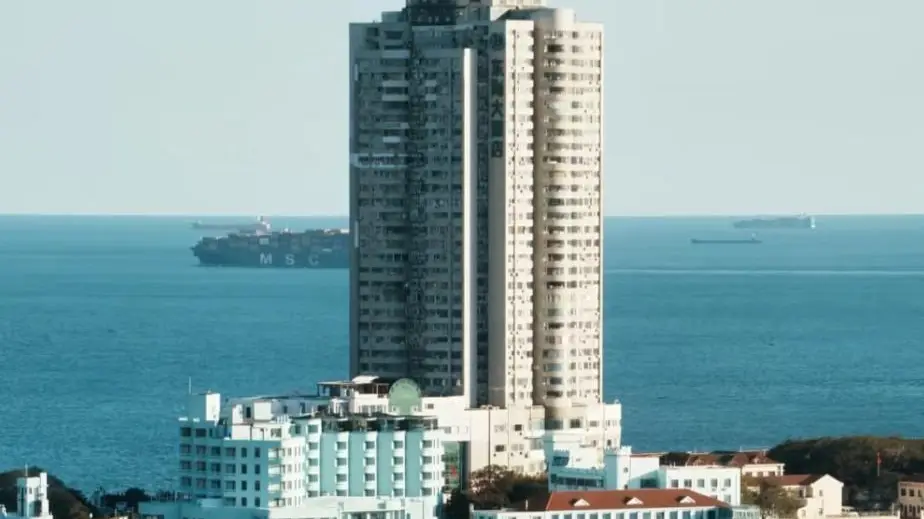
Every traveler seems to carry an imagined stretch of blue ocean somewhere in the back of their mind. A Chinese travel feature published this week makes that case by rounding up seven seaside cities it considers the country’s most rewarding, chosen to cover the wide spread of what a Chinese coastline can look like — the open, bracing north, the softer and greener south, and the tropical fringe in between.
The list opens with Qingdao in Shandong province, presented as the northern coast’s standard of beauty. Its signature description — red tiles, green trees, blue sea, blue sky — is the phrase locals have used for a century to sell the place. The old town’s Bavarian-era villas, left behind when Germany leased the bay in the late 1800s, sit among dense planting above the water, and the century-old Zhanqiao Pier remains the city’s most photographed spot. The feature’s advice is simple: walk Badaguan, the district of eight streets named after ancient passes, where the architecture and the sea breeze do most of the work.
Further north, Dalian in Liaoning offers a colder, grander version of the same pleasure, with rocky headlands and a seaside road that locals treat as a weekend ritual. Weihai, also in Shandong, trades scale for quiet — a small city with clean water and a reputation for unhurried living that has made it a retirement favorite.
Moving south, Xiamen in Fujian is the list’s most romantic entry. Gulangyu, the car-free island just offshore, is a UNESCO World Heritage site packed with colonial-era mansions, narrow lanes and the sound of pianos drifting from old villas. The city’s university campus, shaded by banyan trees and facing the sea, is regularly called one of the prettiest in China.
Sanya, at the southern tip of Hainan island, is the country’s only true tropical resort, and the one destination on the list that works in winter. Its beaches stay warm through January, which is why the city fills with northerners escaping the cold each year. The feature notes that Sanya has grown far beyond its beach-resort origins, with rainforest parks and duty-free shopping now part of the draw.
Beihai in Guangxi brings a different texture again: a low-key port city with a silver-sand beach and a volcanic island, Weizhou, reached by ferry, where black rock formations meet clear water. Zhuhai, in Guangdong, rounds out the seven as the most urban of the group — a garden city of long coastal promenades, linked to Macau by bridge and popular with families for its ocean-themed attractions.
The through-line of the piece is that China’s coast is not one thing. A traveler can find cold-water cliffs, subtropical surf towns and palm-lined resort strips without ever leaving the country, and each city has developed its own way of living with the sea. The feature does not rank the seven, and offers no prices or schedules — it is an invitation rather than an itinerary, ending with the gentle challenge that most readers will have visited only a couple of them.