China's Double 11 Turns to AI, and Sellers Ask Where the Growth Went
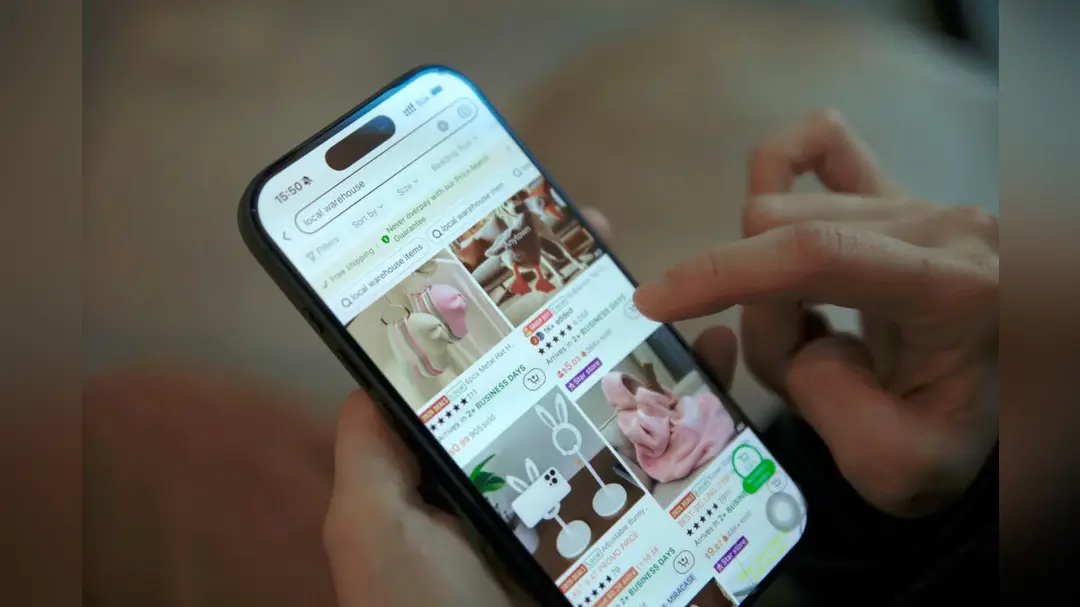
China’s Double 11, the year’s biggest online shopping festival, is now in its 18th edition. This year the change is not a new discount mechanic but a quiet handover of work to software. From the moment a shopper opens an app to the moment a parcel is packed, AI is taking over more of the steps in between.
On the selling side, the most visible shift is the livestream. Digital human hosts now read scripts in front of virtual cameras for hours without a break, and AI customer service handles the routine questions that once occupied teams of people. Product detail pages, which used to need a photographer, a stylist and a designer, are increasingly illustrated by AI-generated images. The result is that a small merchant can look as polished as a large one, at a fraction of the cost.
The big platforms have each pushed their own assistant into the storefront. Alibaba’s Taotian group connected its Qwen model to Taobao, JD.com put its AI shopping assistant Dongdong on duty across the site, ByteDance’s Douyin e-commerce brought in its Doubao model, and Kuaishou has been promoting what it calls AI-driven efficiency across its whole operation. Every major player put AI at the centre of the campaign rather than at the edges.
On the buying side, the change is subtler. Shoppers can now ask a chatbot what to buy, compare products in conversation, and let an assistant assemble a cart. That sounds like a shortcut, but it also moves the moment of decision away from the scrolling feed and the flashy banner, which is where platforms have spent years learning to hold attention.
When the promotional period ended and merchants added up what they had spent and what they had earned, a gap appeared. The time saved was real, and so were the lower production costs. But the extra output did not translate into comparable growth in orders. AI made the machinery of selling cheaper without making buyers buy more.
That is an awkward result for a festival built on the promise of a measurable surge. Efficiency gains tend to be invisible to shoppers, while growth is what investors and merchants watch. If AI mainly trims the cost of running a store, it may end up compressing the very spectacle that Double 11 was designed to create.
The next test will come in how platforms price their AI tools and whether they can show merchants a link between an assistant’s advice and a completed order. For now, the more honest reading of this year’s festival is that AI has become standard equipment in Chinese e-commerce, and that standard equipment is not the same thing as demand.