Qwen Office 2.0 Turns AI Agents Into Team Members With Roles
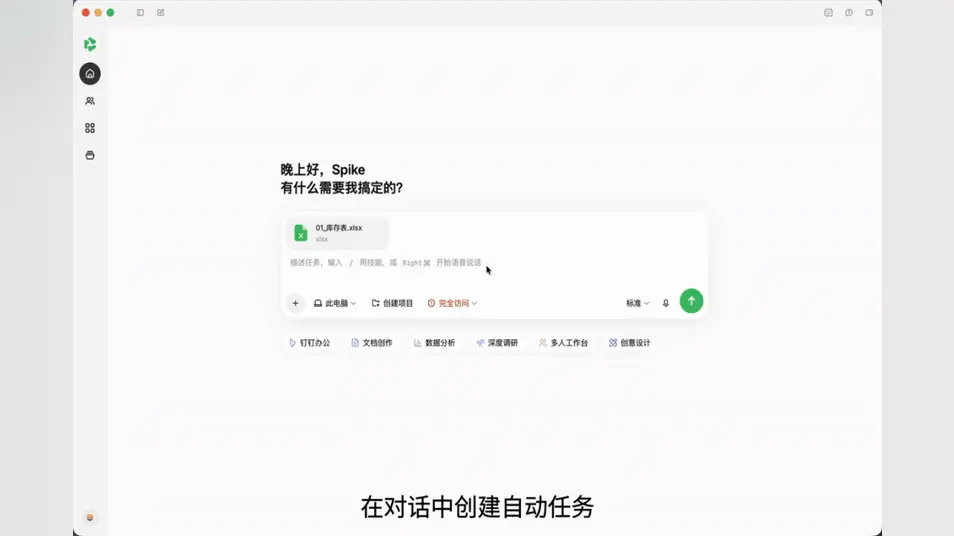
Alibaba’s Qwen Office released version 2.0 on November 9, its biggest upgrade since the productivity suite launched in August. The centerpiece is a feature called Collaboration, which the company calls the industry’s first that lets multiple people and multiple AI agents work inside the same workspace at once. The pitch is simple: an agent should be a team member with a name, a role and a person accountable for it, not a chatbot waiting in a side window.
Under that idea, Qwen Office 2.0 bundles several upgrades. Human-AI co-creation lets a person and an agent build a document or a plan together rather than one handing off to the other. A materials space keeps the files and context an agent needs in one place. Automatic tasks let agents push work forward on their own schedule instead of waiting to be asked. A three-device link ties the desktop, web and mobile versions together so a task started in one place can be picked up in another.
The company laid out five judgments behind the design. Agents should have roles and owners. They should collaborate around outcomes and people over time, not one-off prompts. They should take initiative rather than wait for instructions. They should stay online and controllable. And they should connect openly to outside tools and systems. Together those points describe a shift from selling a smarter assistant to selling a small, always-on staff that a manager can assign and audit.
That is a crowded direction. Microsoft has been pushing agents that sit inside its office software, and a wave of Chinese and global startups now sells agent workforces for sales, support and research. Qwen Office’s differentiator is the multi-person, multi-agent room, where several colleagues and several agents share a single thread of work. Whether teams actually want that much automation in one place is the open question; the risk is agents that generate more to review than they save.
For Alibaba, the launch matters beyond one app. Qwen is the company’s flagship model family, and Qwen Office is a way to put it in front of office workers who may never touch an API. Bundling agents into documents, spreadsheets and meeting notes is how model makers hope to turn benchmark scores into daily habit and subscription revenue.
The timing is pointed. China’s office-software market is consolidating around a few large platforms, and AI features are becoming the reason to switch. Qwen Office’s three-month cadence from launch to a 2.0 with a new collaboration model suggests the company sees the category as a land grab rather than a slow build.
What to watch is adoption inside real teams. A Team Agent only proves itself if the roles, permissions and audit trails hold up when dozens of agents are working alongside people on the same project. The next signal will be whether Qwen Office publishes usage numbers or customer cases showing agents completing tasks end to end, not just drafting text that a person then rewrites.