China's EV Sales Race Shifts Into a September Shake-Up
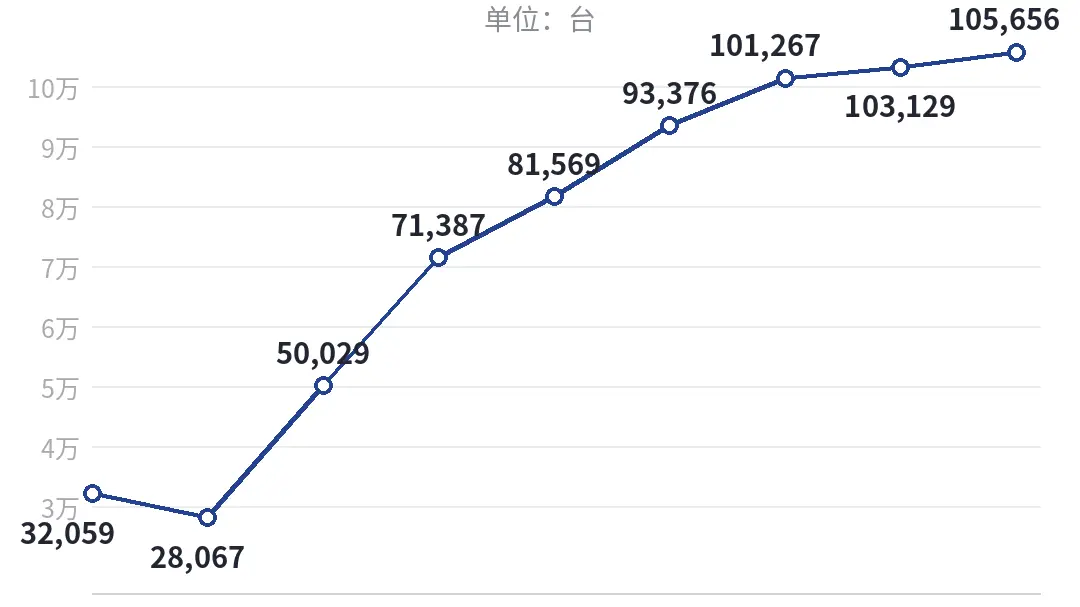
China’s electric-vehicle startups closed September with more new models on sale than ever, yet the monthly delivery tables told a very different story: not everyone grew. According to figures the companies released on October 1, the top of the ranking reshuffled sharply, with most contenders bunched in a narrow band between 30,000 and 40,000 vehicles.
Leapmotor kept first place with 105,656 deliveries, a result that cements its shift from a niche budget brand into a volume player. Behind it, Xpeng delivered 41,256 vehicles and Xiaomi, the smartphone maker that only entered the car business recently, crossed the 40,000 mark. For Xiaomi that number matters because it is still ramping production at a single plant, and it suggests the company’s bet on building its own car is holding up better than many analysts expected.
The closest fight was just below the podium. Huawei-backed Aito, sold under the Harmony Intelligent Mobility banner, reported 37,490 deliveries, while Nio came in at 37,408 — a gap of just 82 vehicles. That kind of margin is effectively a tie, and it underlines how crowded the premium end of China’s EV market has become.
The pattern is not a simple boom. Analysts describe September as a month of hot and cold zones: the overall market stayed under pressure, while leading automakers kept growing. Competition is moving from fighting over new buyers to redistributing existing ones, meaning a gain for one brand increasingly comes at another’s expense. That is a harder game, and it rewards companies with strong supply chains, fresh products and efficient sales networks.
For global readers, the scale is the story. China is the world’s largest auto market and its largest producer of electric vehicles, and its startup segment functions as a live experiment in how fast an industry can be rebuilt. Brands that did not exist a decade ago now ship tens of thousands of cars a month, and the pressure to keep launching updated models is relentless.
The shake-up also hints at consolidation. When several companies cluster within a few thousand deliveries of one another, small missteps — a delayed launch, a factory bottleneck, a weaker than expected reception for a new model — can drop a brand several places in a single month. Executives increasingly talk about survival rather than expansion.
Overseas, these numbers feed a broader debate about Chinese cars and how quickly they have improved in price and quality. That debate has now reached the highest levels of international politics, but for the companies themselves the immediate question is simpler: can they keep filling order books at home while pushing into export markets?
September offered no clear answer. What it did show is that China’s EV race has entered a phase where scale alone is not enough. The winners will be the brands that can cut costs, refresh lineups quickly and hold customers in a market where choice has never been greater.