China's AI Film Boom Reshapes the Life of ActorsHOT
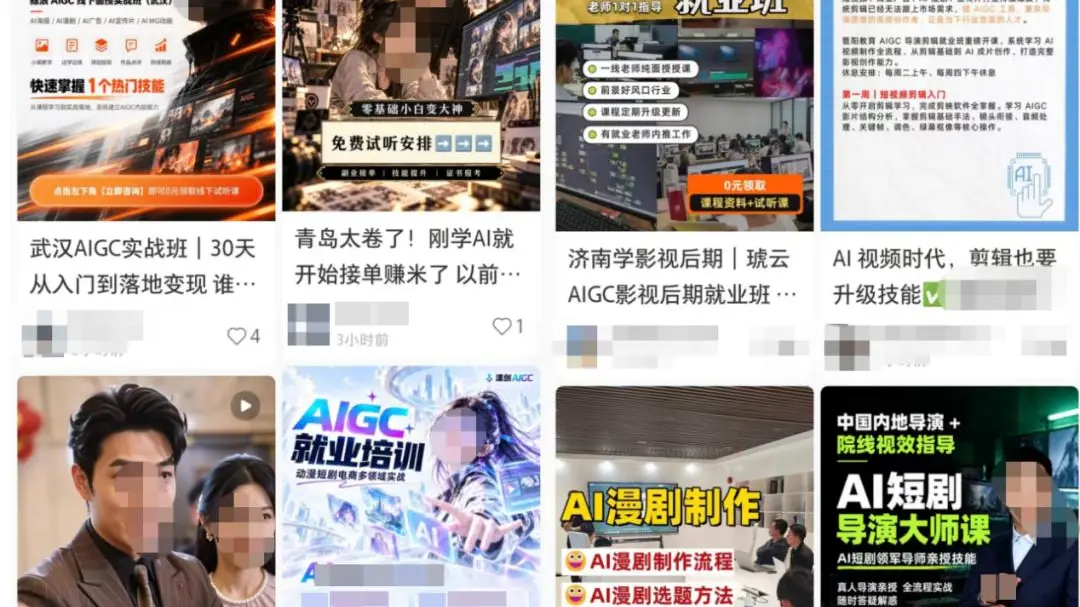
AI has cut the number of new dramas and short series, pushing Chinese actors to study abroad, take odd jobs or change careers. The shift is rewriting who gets to work in front of a camera.
AI has cut the number of new dramas and short series, pushing Chinese actors to study abroad, take odd jobs or change careers. The shift is rewriting who gets to work in front of a camera.
Hongguo, China's top short-drama app, will shut down its coin-reward feature by year-end even as users watch about 151 minutes a day. The move signals a shift from paying for attention to keeping viewers healthy and loyal.
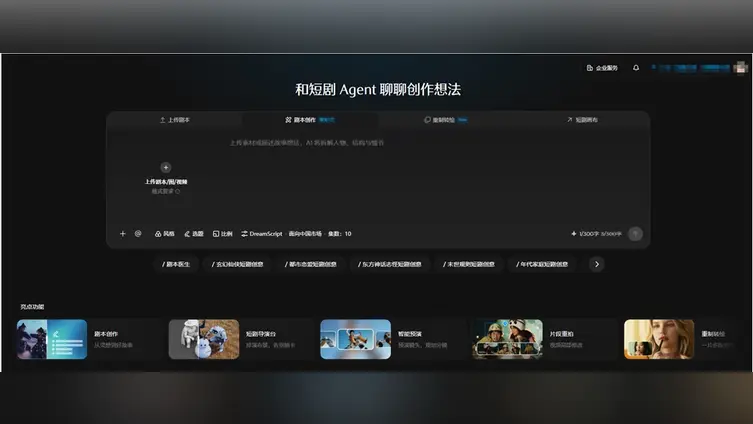
ByteDance's Jimeng AI has launched a Short Drama Studio that folds script handling, character and scene management, storyboarding, video generation and post-production into one platform. It arrives as AI-made micro-dramas become a high-volume, fast-turnaround business in China.
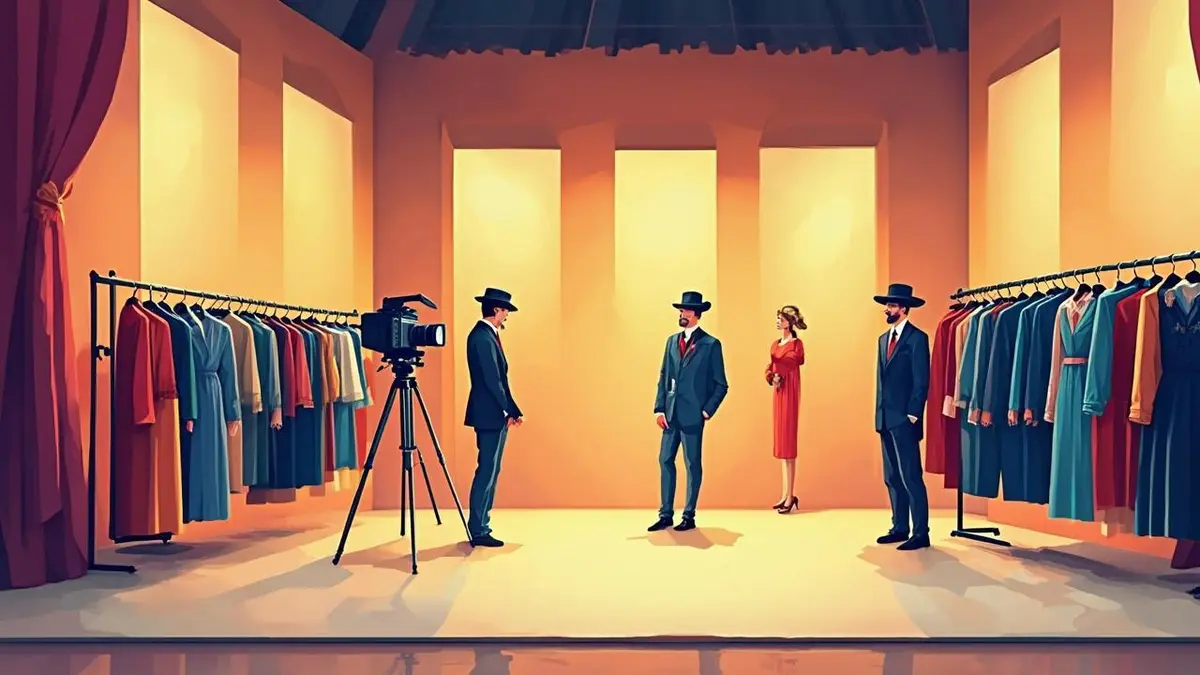
Hengdian, China's largest film studio complex, is renting idle backlot sets to ordinary tourists for 388 yuan a day, letting visitors star in their own short films. The pivot comes as the number of short-drama crews filming there has fallen sharply year on year.
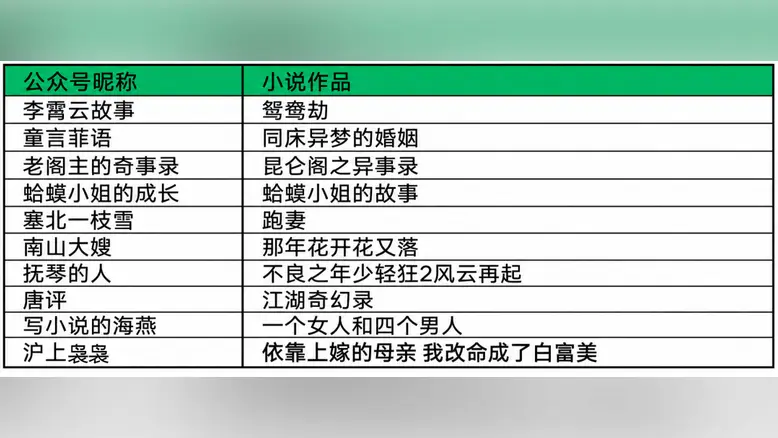
WeChat has put ten serialized public-account novels in front of short-drama producers, letting them negotiate adaptation rights directly and publish the results inside its own video ecosystem. It is a quiet bid to feed China's insatiable micro-drama machine from WeChat's own archive rather than from outside platforms.
China's AI-generated comic shorts now cost as little as a few dozen yuan per episode, down from 5,000 yuan a minute, as studios churn out up to 600 episodes a day. Most creators are losing money and gambling on volume.
ByteDance's free short-drama platform Hongguo has launched "Xiaoguo AI," a in-app assistant that answers questions and recommends shows through conversation. The move pushes conversational AI deeper into China's booming vertical short-drama market.
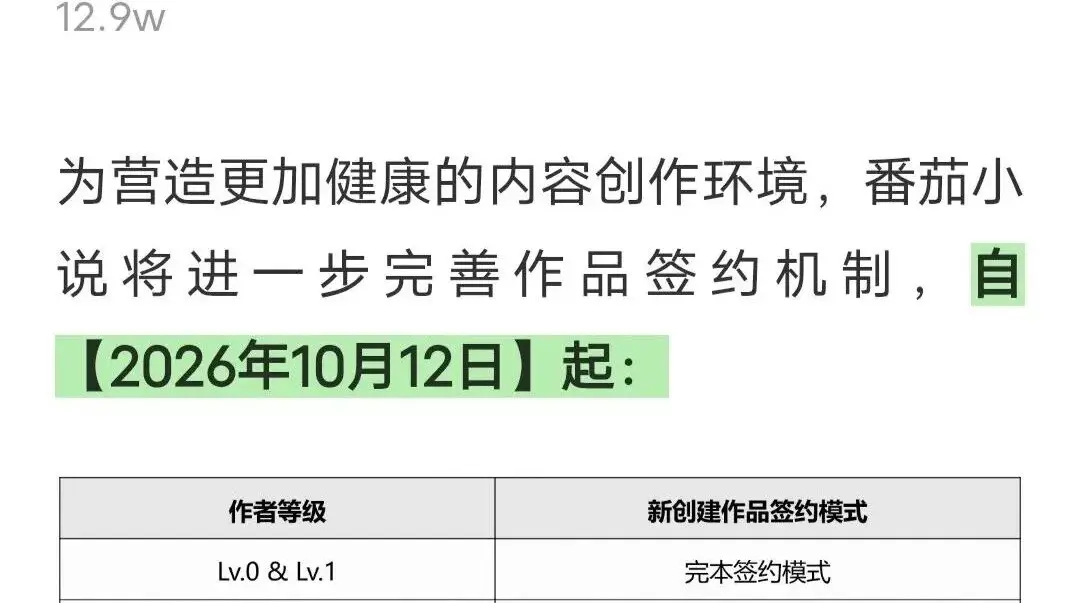
Fanqie Novel, China's largest free-to-read fiction platform, has raised the bar for new authors by restricting contract options for lower-level writers, a move that signals the end of a generous newcomer bonus era and could reshape how millions of aspiring novelists earn online.
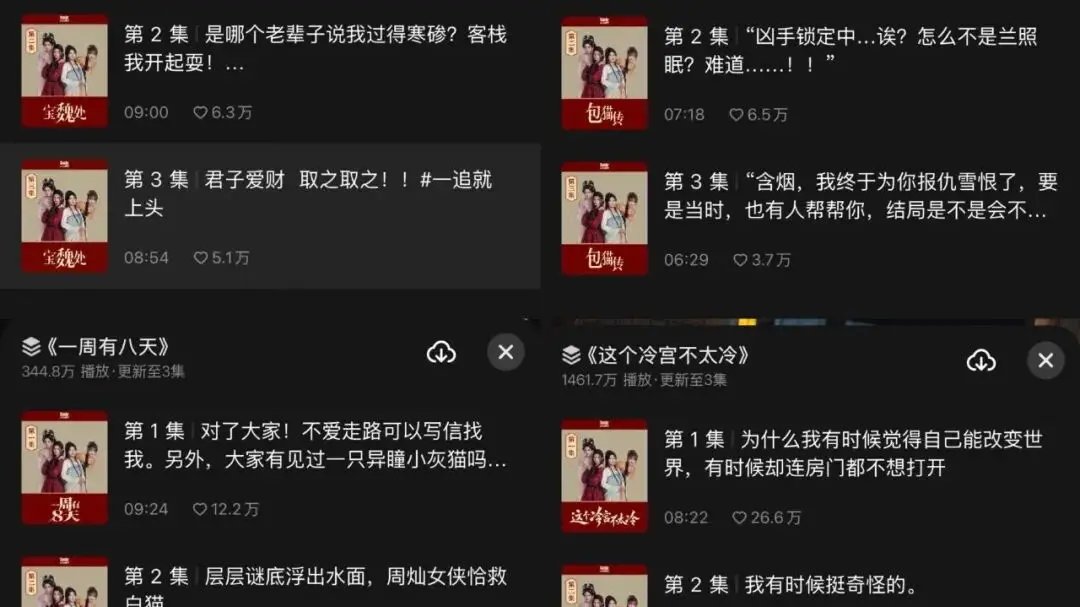
Chinese actress Zhao Lusi has released her first short-form drama as investor and producer, drawing millions of views while her online store reportedly clears 50 million yuan a month. Can her commercial instincts outlast the hype?
A short-drama actor's account of an unwanted on-screen kiss has revived a broader conversation in China about consent and power on film sets, from micro-dramas to big-budget television.
A Japanese manga about a young woman who keeps blowing up her trading account has become a cult favorite among Chinese readers, who see their own market losses in her story. Its author funded his comeback with the very leverage that kept ruining him.
You've reached the end