Hip Fractures at 24% of All Breaks: China's Aging Warning
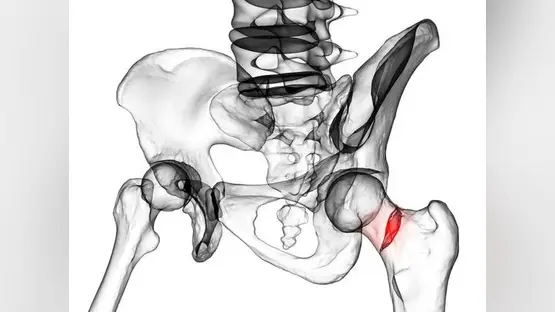
A quiet public-health warning is spreading through Chinese science writing: hip fractures in older adults are so dangerous that clinicians have nicknamed them the last fracture of a life. The phrase captures a grim reality. For many elderly patients, a broken hip marks the end of independent living, setting off a chain of complications that can prove fatal.
According to the Chinese science outlet Guokr, hip fractures account for about 24% of all fractures in the body, making them both the most serious and among the most common fragility fractures. These are low-energy breaks that occur when bone weakened by osteoporosis gives way in a fall. As populations age, the numbers are climbing. The same report projects that by 2050, hip fracture cases worldwide will reach 6.3 million.
The mechanism behind the nickname is less about the break itself than what follows. Older patients often face long stretches of bed rest, loss of mobility and a heightened risk of severe complications. Immobility can lead to blood clots, pneumonia and pressure sores, while the psychological toll of losing independence can be just as damaging. For families, the injury frequently forces an abrupt reorganisation of caregiving, sometimes with little warning.
Osteoporosis is the underlying culprit. The condition thins bone tissue silently over years, often without symptoms until a fracture occurs. Many older adults are unaware of their bone density status, and the first sign of trouble is sometimes the fall itself. That makes prevention a race against time: once a hip breaks, treatment becomes far more complex and outcomes less certain.
The story also points to a broader challenge for aging societies. As China’s population ages, the burden of fragility fractures is expected to grow, straining orthopaedic wards, rehabilitation services and family finances. The Guokr piece urges households with elderly relatives to pay closer attention to fall risks at home, from slippery floors to poor lighting and loose rugs.
Simple measures can matter. Adequate calcium and vitamin D intake, weight-bearing exercise and regular bone density checks are among the standard recommendations for older adults. Removing tripping hazards and improving balance through targeted exercise can reduce the chance of a fall in the first place. None of these steps is dramatic, but together they shift the odds.
The article’s tone is cautionary rather than alarmist. It does not promise that every hip fracture is fatal, but it does underline why the injury deserves the nickname. For a global audience, the takeaway is universal: aging brings predictable risks, and the systems that catch people when they fall, both at home and in hospitals, are often the difference between recovery and decline. With the 2050 projection as a backdrop, the conversation about bone health and elder care is only likely to intensify.