China's Delivery War Burns Through Billions as Rivals Retreat
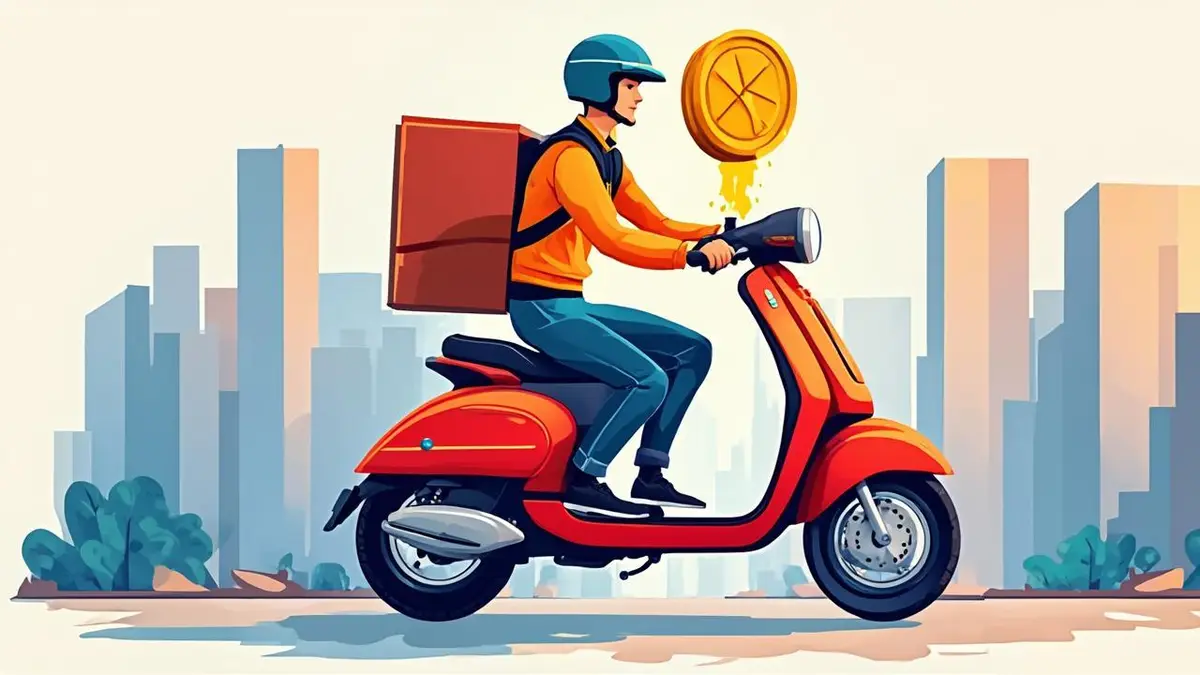
A single line on Hupu’s Buxingjie forum, a Chinese message board where users post quick takes on daily life, captured a mood that has been building for months: the delivery battle has cost three companies more than a hundred billion yuan, and now whoever mentions delivery gets cursed out by the boss. The post did not name the companies or the exact figure, but the sentiment is familiar to anyone who has watched China’s food-delivery market turn from a convenience into a subsidy battlefield.
Delivery in China is not a niche service. Meituan, Ele.me and a handful of newer entrants have spent years fighting over the same urban customers, using discounts, free delivery and membership perks to keep users loyal. When one platform cuts fees, the others follow, and the cost lands on the companies rather than the diners. The result is a market where a bowl of noodles can arrive at your door for less than the price of the ingredients, and where the platforms absorb the difference.
The phrase in the post, that the boss now lashes out at anyone who brings up delivery, suggests the internal pressure has become personal. Managers who once championed growth at any cost are now being asked to explain losses. The figure of over a hundred billion yuan, roughly fourteen billion US dollars, is not an audited number, but it matches the scale of the write-downs and marketing budgets that have circulated in industry chatter.
For consumers, the immediate effect is still pleasant: cheap meals, fast riders and frequent coupons. But the longer-term picture is less certain. Subsidies cannot last forever. When platforms pull back, delivery fees rise, discounts shrink and the small restaurants that depended on volume start to feel the pinch. The post’s frustration is a signal that the people running these businesses are already thinking about the day the music stops.
The delivery war also touches the riders themselves. Millions of couriers work on tight schedules, often paid per order, and their livelihoods are tied to the volume that subsidies create. A slowdown in the subsidy race could mean fewer orders, or it could mean better pay per delivery as platforms compete on reliability rather than price. Either way, the adjustment will be felt far beyond the boardroom.
What makes the Hupu post worth noticing is not its precision but its tone. It is the kind of offhand complaint that spreads because it names a feeling many share: the sense that a business model built on cheap convenience has run into a wall. The boss who curses at the mention of delivery is not just angry at a rival; he is angry at a market that no longer rewards the old playbook.
Whether the hundred-billion figure holds up or not, the direction is clear. China’s delivery platforms are being pushed to find a new balance between growth and profit, and the next phase will be less about who can lose the most money and more about who can keep customers without giving the store away. The forum post is a small, blunt marker of that turning point.