China's Holiday Highway Test: Can Drivers Really Trust Assisted Driving?
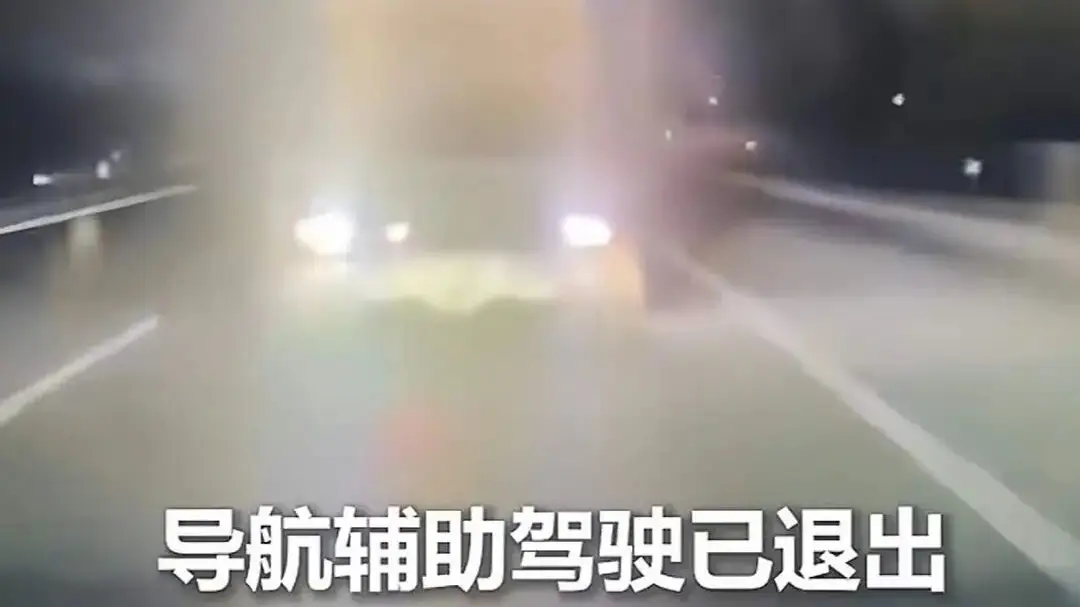
Every year around the first week of October, China’s highways fill with cars heading home or to tourist spots for the National Day holiday. This year, a discussion about assisted driving has traveled just as fast as the traffic. A widely shared story about a rear-end collision involving a car using driver-assistance features has become a cautionary tale for travelers preparing long road trips.
The timing matters. Automakers have spent years marketing assisted driving as a way to make long journeys easier. Advertisements promise automatic following, automatic lane changes and automatic emergency avoidance. For many buyers, these features have become a must-have, not a luxury. The pitch is simple: let the car handle the boring parts of a highway drive, and arrive relaxed instead of exhausted.
But the crash story underlines a gap between marketing language and real-world conditions. Assisted driving systems, even advanced ones, are not self-driving cars. They still expect a human driver to watch the road, keep hands ready and take over instantly when something unexpected happens. Holiday traffic is exactly the kind of chaotic environment that stresses these systems: sudden braking, dense queues, drivers cutting lanes and construction zones that appear without much warning.
China’s auto industry has moved quickly on this front. Electric vehicle makers such as BYD and Huawei-backed brands have pushed advanced driver-assistance features into ever cheaper models, turning what was once a premium option into a mainstream selling point. That speed has helped China become the world’s largest market for electric and smart cars, but it has also raised questions about how well drivers understand the limits of the technology.
Regulators and safety researchers have repeatedly reminded drivers that responsibility stays with the person behind the wheel. Several automakers now require drivers to pass an in-car tutorial before activating higher-level assistance, and some use cameras to check whether the driver is paying attention. Still, the temptation to treat a long highway drive as a chance to relax is strong, especially after hours of stop-and-go traffic.
The lesson from this holiday season is not that assisted driving is useless. Used correctly, it can reduce fatigue and make long trips safer. The problem is the assumption that it removes the driver from the loop entirely. Experts say drivers should treat these systems as a co-pilot, not a chauffeur, and should stay ready to intervene at any moment.
For global readers watching China’s auto market, the debate is a reminder that the country’s smart-car boom is not only about batteries and screens. It is also about habits, expectations and the slow work of teaching millions of drivers what a machine can and cannot do. As holiday traffic returns to normal, that conversation is likely to continue long after the last car reaches its destination.