China's Tea Traditions in Modern Times
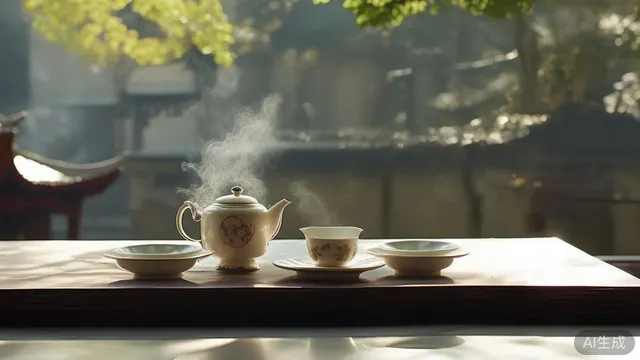
In the bustling cities of China, where modern skyscrapers pierce the sky and technology advances at lightning speed, one ancient tradition remains steadfastly woven into the fabric of daily life: tea. More than just a beverage, tea represents a philosophy, an art form, and a social glue that has connected Chinese people for millennia. Today, this timeless tradition is experiencing a remarkable renaissance as both young and old rediscover its profound cultural significance.
The story of Chinese tea begins over 5,000 years ago, when legend credits Emperor Shennong with discovering tea’s medicinal properties. Since then, tea has evolved into a sophisticated cultural practice with elaborate ceremonies, specialized brewing techniques, and distinct regional varieties. From the delicate green teas of Hangzhou to the aged pu-erh of Yunnan, each type tells a story of its terroir and the generations of craftsmanship that have perfected its production.
Modern China has witnessed a fascinating fusion of tradition and innovation in its tea culture. In metropolitan areas like Shanghai and Beijing, traditional tea houses now feature sleek, contemporary designs while still honoring classic tea preparation methods. Young entrepreneurs are reimagining tea for the modern palate, creating innovative blends, tea-infused desserts, and even tea-based cocktails that appeal to China’s burgeoning middle class and international visitors.
Educational institutions are playing a crucial role in preserving and promoting tea culture. Universities now offer specialized programs in tea studies, while cultural centers across the country host workshops where enthusiasts can learn about tea history, proper brewing techniques, and the philosophical principles behind tea ceremonies. This educational approach ensures that younger generations appreciate not just the taste of tea but its rich cultural heritage.
China’s tea culture has also gained significant international recognition. Chinese tea masters are frequently invited abroad to demonstrate traditional brewing methods, and premium Chinese teas are increasingly featured in specialty stores and high-end restaurants worldwide. The United Nations Educational, Scientific and Cultural Organization (UNESCO) has recognized the traditional art of Chinese tea preparation as an intangible cultural heritage, further cementing its global importance.
For visitors to China, experiencing tea culture offers a window into the country’s soul. Whether participating in a formal tea ceremony in a historic teahouse, enjoying a casual tea break with locals in a park, or exploring the vast tea plantations that carpet the countryside’s rolling hills, the tea experience provides meaningful connections between people, nature, and tradition that transcend language barriers and cultural differences.