IEA Releases Oil Reserves as Hormuz Tanker Strike Rattles Markets
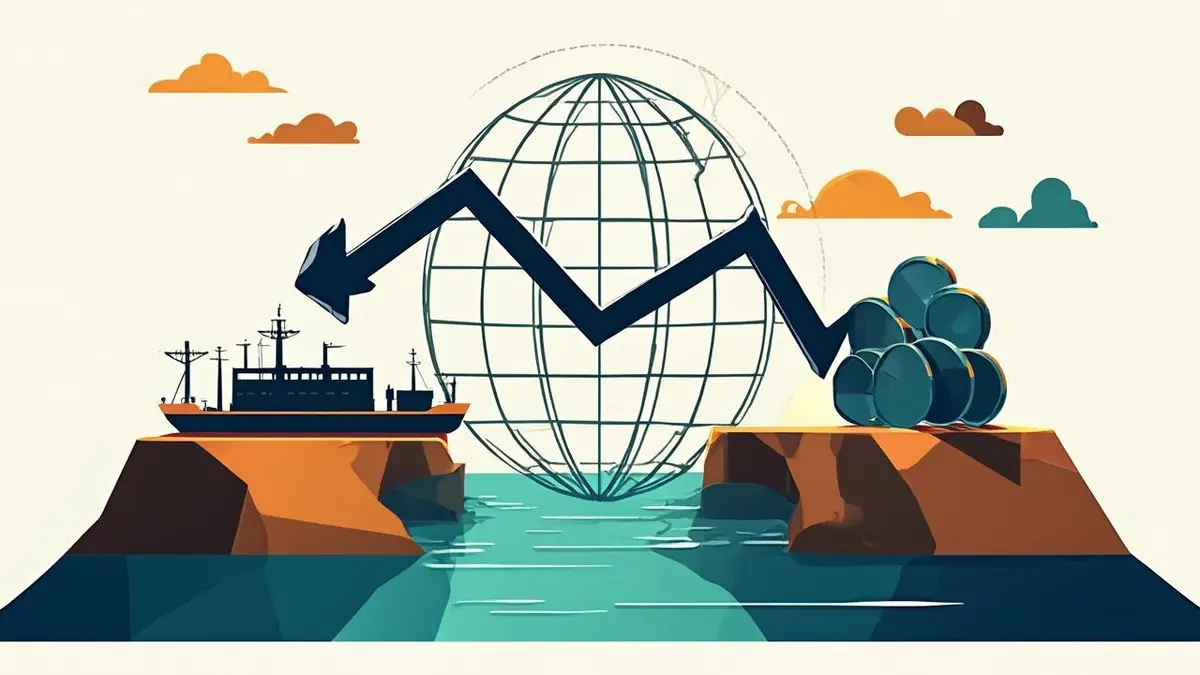
Oil markets got a double jolt this week, and traders are still working out which signal matters more. The head of the International Energy Agency, Fatih Birol, said the agency will release crude and diesel from its emergency reserves over the coming days and weeks, a move he said has already knocked at least $5 off the price of a barrel. The final allocation will be settled after talks with member countries, and Birol added that reserves remain ample enough to release more if needed.
The trigger was an attack at sea. The United Kingdom Maritime Trade Operations, a British naval monitoring office, reported that a tanker captain said his vessel was struck by an unidentified projectile while heading out of the Strait of Hormuz. The hit caused a small fire and a full power blackout on board. The crew put the fire out, the ship stayed afloat and is still under way, and there were no reported injuries or environmental damage. Authorities are investigating what hit the ship.
Hormuz is the narrow channel at the mouth of the Persian Gulf through which a large share of the world’s seaborne oil passes. Any hint of trouble there ripples through freight rates, insurance premiums and refinery planning within hours. That is why the IEA moved quickly: reserve releases are designed less to fix a physical shortage than to calm the expectations of traders who fear one.
The wider economic ripples are already being counted. UN Women said in a report released on October 2 that continued tension in the Middle East, and the shipping delays it causes through Hormuz, is pushing up global food prices and squeezing household budgets. The report projected that by the end of 2026, about 22 million more people worldwide could face food insecurity, roughly 53 percent of them women. Higher fuel and freight costs tend to reach food shelves slowly but persistently, hitting import-dependent countries hardest.
Elsewhere in energy and commodities, metals moved in the opposite direction. Gold fell 1 percent to about $4,159 an ounce, and spot silver dropped 2 percent to around $59.76 an ounce. When safe-haven demand eases even briefly, precious metals are often the first trade to unwind, and a reserve release that lowers oil prices can read as a small vote of confidence that supply routes will hold.
European equities finished higher, with Germany’s DAX up 1.19 percent, France’s CAC 40 up 0.95 percent and Britain’s FTSE 100 up 0.25 percent. The gains suggest investors treated the reserve release as a stabilizing measure rather than the start of a broader supply crisis.
For ordinary consumers, the chain runs from a tanker’s hull to the price of bread. Diesel powers trucks, tractors and fishing boats; when diesel gets expensive, so does everything it moves. That is why a single projectile in a narrow strait can end up on the agenda of a UN agency and the budget sheet of a family thousands of miles away. The next few weeks will show whether the IEA’s stockpile can buy enough calm to keep those costs from climbing further.