A Taiwanese Host's Rally Appearance Costs Him Mainland Brand Deals
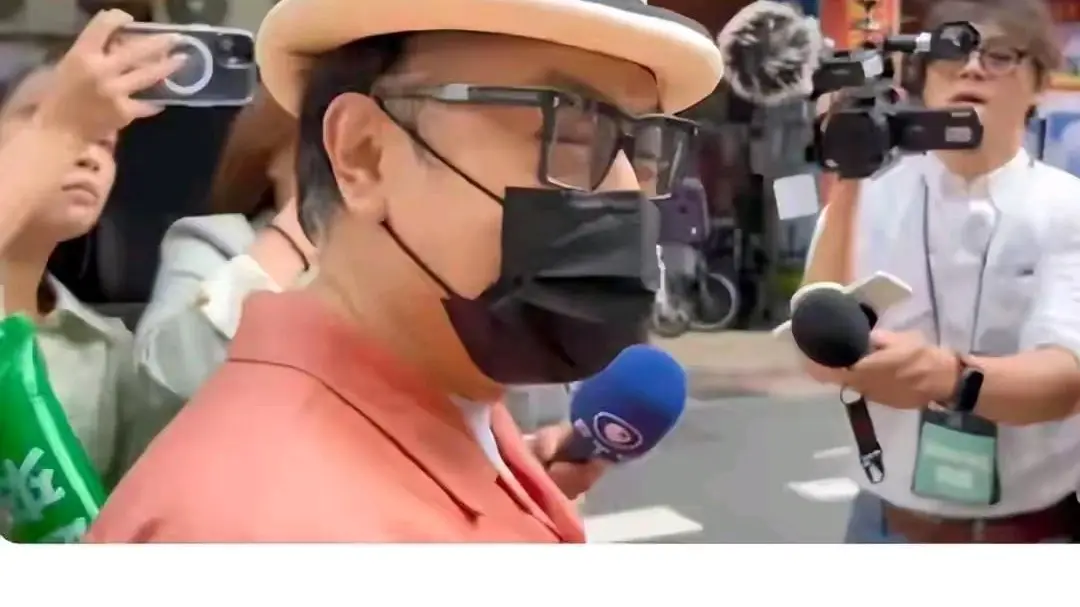
Kevin Tsai, the Taiwanese television host and author long beloved by mainland audiences for his gentle, witty talk show style, has found himself at the center of an unusually swift commercial unwind. On October 4, photographs circulated of him seated in the front rows of a campaign launch event in Taiwan, wearing a cap and a black face mask and holding a cheer stick. Within a day, brands that had worked with him began issuing statements, and at least one magazine pulled a cover feature.
The event belonged to Shen Boyang, a politician who was added to a mainland list of designated separatists in October 2024 and, a year later, became the subject of a criminal investigation by authorities in Chongqing over alleged crimes against national unity. Tsai’s representatives said he had attended simply to observe and to hear different viewpoints, and that he had been considering an interview with the candidate. Critics pointed out that sitting in the VIP section and waving campaign merchandise is hard to square with the role of a neutral interviewer.
The commercial reaction was almost immediate. The electric vehicle maker Leapmotor issued a statement distancing itself from the host, and Bicester Shanghai Village, an outlet shopping destination, followed with its own. Harper’s Bazaar China removed his September issue cover from circulation. Other partnerships were reportedly paused while companies assessed the fallout. None of the brands involved offered details beyond brief public notices.
For observers of the Chinese-language entertainment market, the episode is a reminder of how narrow the space between Taiwan and the mainland has become for public figures. Performers who enjoy large followings across the strait often build careers on carefully maintained ambiguity, appearing in mainland dramas, variety shows and advertisements while keeping their personal politics private. A single photograph taken at the wrong event can undo years of that careful balance.
Tsai built his mainland reputation on a show about conversation itself — listening, teasing, drawing people out. That format made him a household name in cities from Shanghai to Chengdu and a frequent guest at brand events. His books on communication sold well, and his image was that of someone who avoided confrontation. The irony that a rally photograph, rather than anything he said, triggered the rupture has been widely noted online.
There is also a practical dimension. Mainland endorsements are among the most lucrative opportunities available to Chinese-language celebrities, and the mainland market dwarfs Taiwan’s in advertising spending. When a brand cuts ties, the cost is measured not just in one contract but in the signal it sends to every other potential partner. Companies that hesitate are often accused of not reacting fast enough.
Whether Tsai’s career recovers will depend on time and on whether the images fade from memory. Other entertainers have weathered similar storms after issuing apologies or lying low for a season. For now, the story is less about one host than about the machinery around him: the speed of social media, the caution of advertisers, and the way a single afternoon in a crowded room can become the defining image of a career.