China's EV Boom Enters Its Quality-Over-Quantity Era
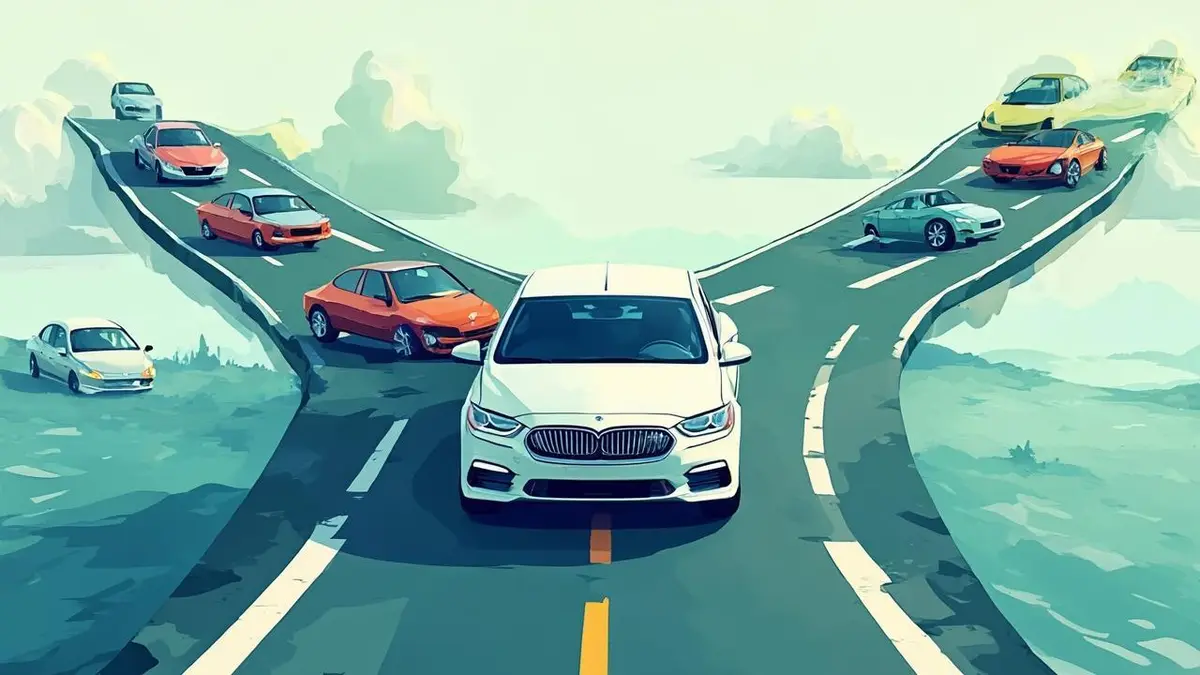
For most of the past decade, China’s electric-vehicle industry ran on a simple playbook: build more, sell more, export more. That era is now quietly ending, and the shift is being read across the industry as the start of a tougher, more disciplined second half.
The clearest signal came from policy. China has trimmed its export tax rebate on new-energy vehicles from 13 percent, a move that squeezes the thin margins many carmakers had relied on to undercut rivals abroad. Combined with a softer September sales picture and a string of high-profile quality incidents, analysts argue the industry is moving from a race for scale to a race for standards.
The first half of the boom rewarded speed. Companies rushed plants into production, flooded overseas markets and competed largely on price. That model worked while demand was expanding faster than supply, but it left little room for the kind of engineering depth that builds durable brands. Now, with capacity outpacing demand at home and trade barriers rising abroad, the easy growth has run out.
What replaces it is a harder contest over quality and trust. The industry commentary points to a coming shakeout in which weaker players consolidate or exit, while stronger ones invest in safety, software and service. The phrase gaining currency is ‘practicing internal strength’ — a nod to the idea that the next winners will be judged on reliability and refinement rather than sticker price.
There is a global dimension too. Export rebate cuts raise the effective cost of shipping Chinese cars abroad, at a moment when several overseas markets are debating import quotas and tariffs. Chinese automakers that built their overseas pitch on aggressive pricing may need to lean more on product quality, local partnerships and after-sales networks instead.
The domestic market is already showing the strain. Price wars have compressed margins across the board, and consumers have grown more selective, rewarding models that feel genuinely finished rather than merely cheap. Quality mishaps, once a minor reputational nuisance, now carry real commercial consequences in a crowded field where buyers have abundant alternatives.
For investors, the message is that the sector’s growth story is maturing. The wild swings of the expansion years may give way to a more cyclical, margin-driven business, where execution matters more than headline delivery numbers. That is a less glamorous story, but arguably a healthier one for an industry that now leads the world in volume.
For global readers, the takeaway is straightforward: China’s electric-vehicle sector is not slowing so much as changing gears. The companies that survive the coming consolidation will be the ones that treat quality, not just scale, as the product — a shift that will shape what the world drives over the next decade.