AI Cut Animation Costs Tenfold, but Creators Say the Money Vanished
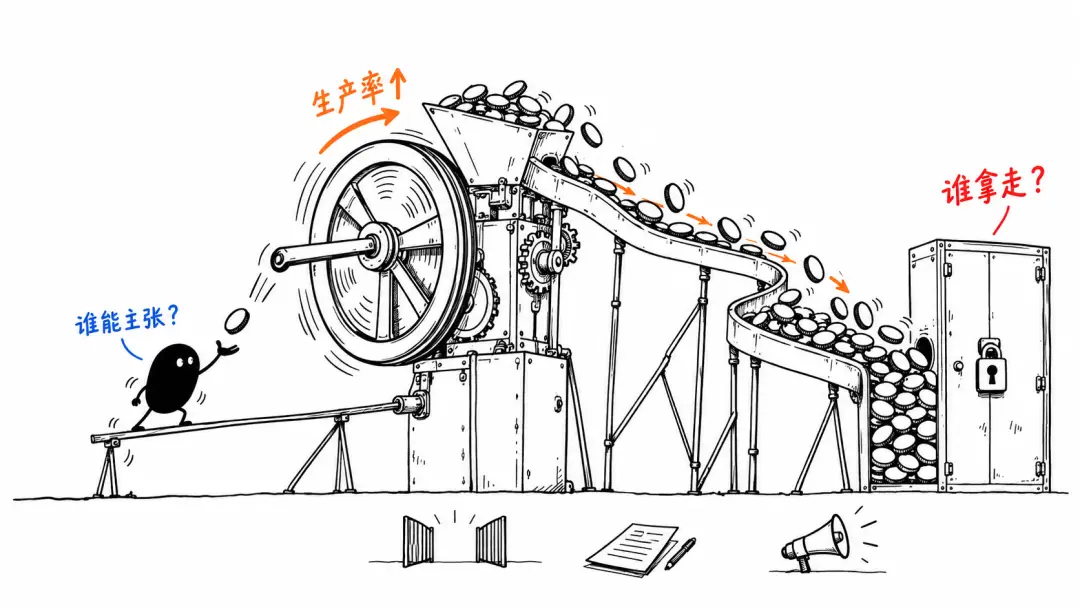
In China’s fast-growing AI comic drama business — short, animated series generated largely by artificial intelligence tools and released in vertical-video feeds — something counterintuitive is happening. Production costs have genuinely collapsed. A single episode that once cost around 30,000 yuan to make can now be produced for roughly 3,000, according to creators writing about the shift. By the plainest business logic, that should be a profit revolution: the 27,000 yuan saved on each episode ought to stay in the creator’s pocket.
Instead, many full-time teams say the numbers have become harder to read, not easier. The reason is that content supply has exploded. When the barrier to making an animated series falls that far, thousands of new shows flood the same recommendation feeds. Audiences do not multiply at the same speed as shows do, so every producer must bid against the others for the same limited slots of viewer attention. The savings on production get transferred, almost mechanically, into advertising and traffic-buying costs. Efficiency improved; margins did not.
This is a pattern worth understanding well beyond animation. Whenever a creative tool becomes dramatically cheaper, the immediate winners are not necessarily the people holding the tool. They are whoever controls distribution — the platforms that decide what appears in a feed, the ad auctions that set the price of being seen, and the payment systems that collect on every transaction. A creator who saves money on rendering simply has more to spend on visibility. In a crowded market, that spending becomes compulsory rather than optional.
Creators describe a second squeeze as well. Because AI-generated drama is relatively new as a category, pricing benchmarks are unstable. Viewers are used to free, ad-supported short video, so subscription revenue is thin. Brand deals favor the few breakout titles, while the long tail of shows earns almost nothing. Meanwhile, the tools themselves carry subscription fees, and the best-performing models are the most expensive to run — meaning the cost floor is not zero, it just moved from artists’ salaries to computing bills.
None of this means the technology is a failure. It has genuinely widened who can tell a visual story. Small teams, individual writers and illustrators who could never have financed a traditional animation studio can now put a finished series in front of an audience. That is a real expansion of creative access, and it is why the sector keeps attracting newcomers despite the difficult economics.
What the debate really exposes is a question about value capture: when artificial intelligence creates more value across an industry, who is entitled to turn that value into income? The answer in most media markets has historically been whoever owns the audience relationship. AI changes the cost of making things far faster than it changes the structure of how attention is sold.
The practical lesson for creators is to treat cost reduction as a strategic opening rather than an automatic raise. Savings can be reinvested in distinctive writing, a recognizable style, or a direct relationship with viewers — assets that do not get repriced every time a new model launches. Otherwise the tenfold saving simply becomes a tenfold increase in the price of being noticed, and the ledger looks exactly the same as before.
For global observers, China’s AI comic drama market is an unusually clear laboratory. It shows what happens when generative tools arrive in a content industry all at once: output surges, costs fall, competition intensifies, and the fight moves from who can produce to who can be found. The technology solved the old bottleneck and revealed a new one.