Why One Chinese Writer Spent Ten Years Cataloguing Dead Computers
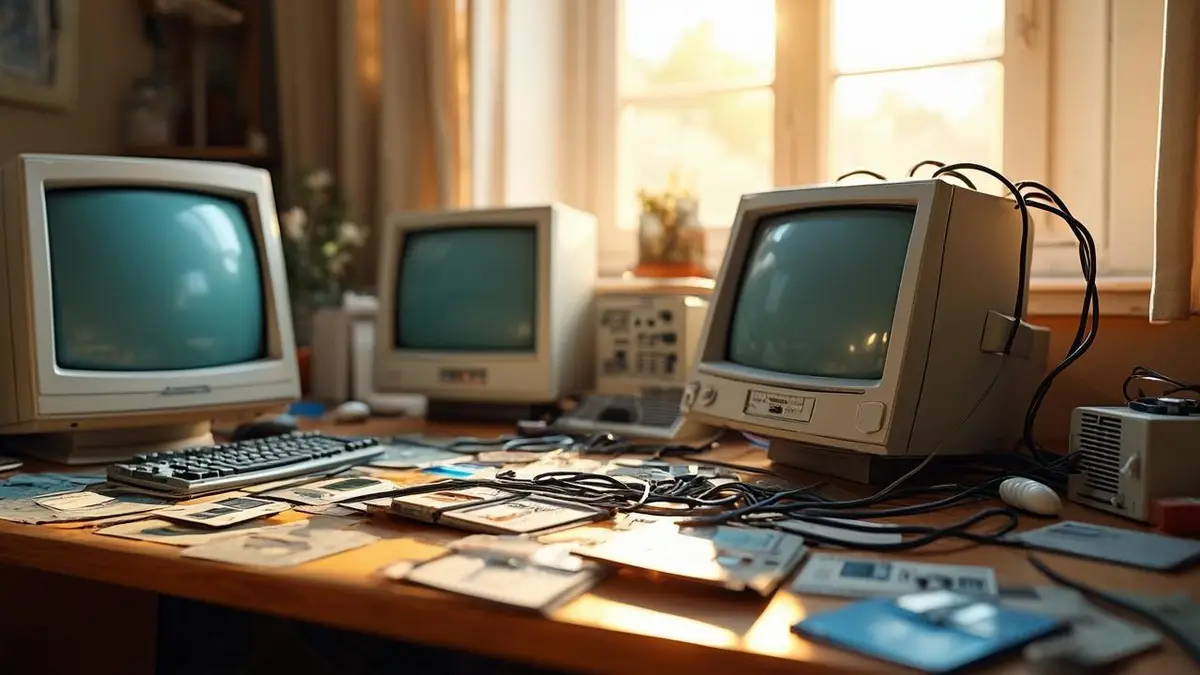
In 2016, a Chinese writer launched a Zhihu column called “Antique Computer Room.” It was not meant to be a museum. It was meant to be a minimum viable product — a small, low-risk experiment to test whether nostalgia for old computers could become a business. Ten years later, the column is marking its anniversary with a reflective essay, and its author says the project changed his understanding of both technology and collecting. The story offers a rare look at how China’s grassroots tech community grew up alongside the machines it loves.
The timing was not accidental. By the mid-2010s, China had already become the world’s largest market for personal computers, but the country’s own computing history was thin on the ground. Early homegrown machines were rare, poorly documented, and often scrapped. Western retro-computing scenes had thriving archives, conventions and price guides. In China, hobbyists traded tips in scattered forums and messaging groups. The column tried to fill that gap by writing about old hardware in plain language, with an eye toward ordinary readers rather than specialists.
What the author found was a community shaped by very different forces than its Western counterparts. China’s rapid upgrade cycles meant old machines disappeared quickly. Apartment storage is limited. Families rarely kept a first computer as an heirloom. At the same time, the secondhand market was vast and unpredictable, full of refurbished parts, grey imports and machines whose provenance was impossible to verify. Collecting in that environment was less about completing a set and more about salvaging fragments before they vanished.
The commercial experiment did not pan out as planned. Selling restored vintage computers proved difficult: shipping was expensive, buyers were few, and the most desirable machines were the hardest to find. But the writing found an audience. Readers who had used a particular model at school or at their first job wrote in with memories, photos and corrections. Over time, the column became less a shop and more a shared archive, with contributors documenting software, peripherals and the small rituals of early computing in China.
That shift changed the author’s role. A collector, he argues, accumulates and preserves. An archivist documents and shares. The difference sounds subtle, but it reshaped the project. Instead of chasing rare machines, he began chasing context: who used this computer, what software ran on it, what it cost relative to a month’s salary, and why it mattered to the people who owned it. The machines became evidence for a wider social history.
The anniversary essay is candid about the costs. Ten years of writing, searching and negotiating with sellers took time and money, and the author admits the project never became self-sustaining. Some readers will recognize the feeling. Retro-computing is a hobby that rewards patience far more than profit, in China or anywhere else. What kept it going was not a business case but the steady trickle of messages from people who had found a piece of their own past in the column.
Looking ahead, the author says he is no longer a collector in the traditional sense. He still keeps machines, but he is more interested in the stories around them than in the objects themselves. That may be the most useful lesson of the decade: in a country that changes as fast as China, preserving technology is not only about saving hardware. It is about saving memory before the people who hold it move on.