Chinese Purification Equipment Maker Aims for IPO on Biotech Wave
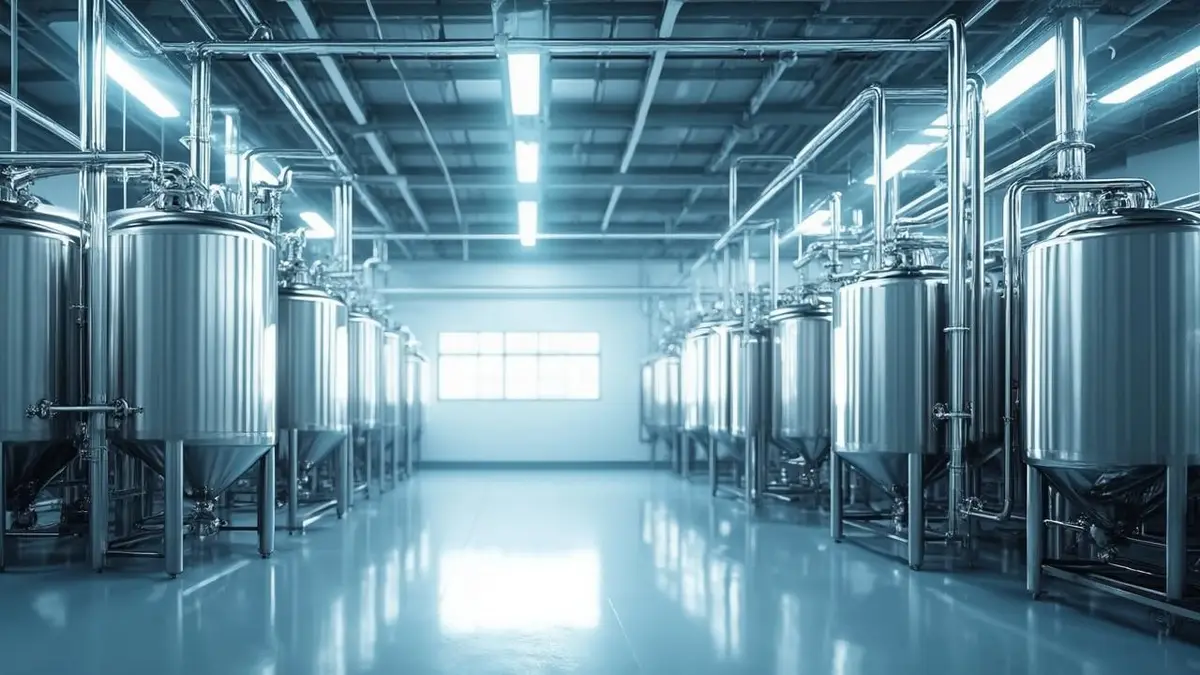
Synthetic biology — using engineered microbes as tiny factories — has become one of China’s fastest-growing industrial frontiers. Behind every fermentation tank producing vitamins, amino acids or food ingredients sits a less glamorous but essential step: separating and purifying what the microbes make. A Tianjin company that builds that equipment is now trying to list on Shenzhen’s ChiNext board.
Oushangyuan Intelligent Equipment, or Oushangyuan, updated its IPO prospectus on September 22, according to financial outlet Gelonghui. The company’s application was accepted in late May and moved into the review stage in June, with Guotai Haitong Securities as sponsor. The company focuses on separation and purification systems — the machinery that isolates target compounds from a fermentation broth and strips out impurities, a critical step in scaling any biomanufacturing process.
Its customer list offers a window into China’s industrial biotech supply chain. Zhejiang NHU, one of the world’s largest producers of vitamins and feed additives, and COFCO, the state-owned food and agricultural giant, both appear among its clients. That mix suggests demand from nutrition, food ingredients and pharmaceutical intermediates — sectors where Chinese producers have been expanding capacity rapidly.
One figure in the filing is likely to draw questions from regulators and investors alike: accounts receivable reportedly grew 183 percent over two years. For equipment makers, receivables often balloon when customers delay payment until newly installed production lines are validated and running. Rapid growth can reflect genuine order momentum, but it can also signal looser credit terms used to win business in a competitive market. How the company explains that trajectory during the review process will matter.
The listing attempt lands in a receptive but selective environment. ChiNext, Shenzhen’s Nasdaq-style board for innovative and fast-growing enterprises, has been a preferred venue for Chinese manufacturing and technology firms seeking capital to expand capacity. Investors there have rewarded companies tied to hard science and industrial upgrading, while becoming more skeptical of firms with stretched balance sheets or unclear paths to profitability.
Oushangyuan’s timing also reflects the broader arc of China’s biomanufacturing push. Beijing has identified synthetic biology as a strategic emerging industry, and local governments have funded fermentation capacity for everything from alternative proteins to biodegradable plastics. Every new plant needs separation and purification equipment, creating a steady stream of orders for suppliers that can handle increasingly complex molecules at industrial scale.
Competition, however, is real. International players such as European and American process-equipment groups have long dominated high-end purification, and domestic rivals are multiplying. Winning orders from blue-chip customers like NHU and COFCO is a strong reference, but retaining pricing power as more suppliers enter the field is another matter. The prospectus review will test whether Oushangyuan’s growth is durable or simply a snapshot of a hot market.
For global readers, the story is a reminder that China’s biotech ambitions extend well beyond drug discovery. The unglamorous machinery that turns lab breakthroughs into shiploads of product is itself becoming an investable industry — and its champions are heading to public markets.