Why Ancient Chinese Wells Tasted Like a Gamble With Your Health
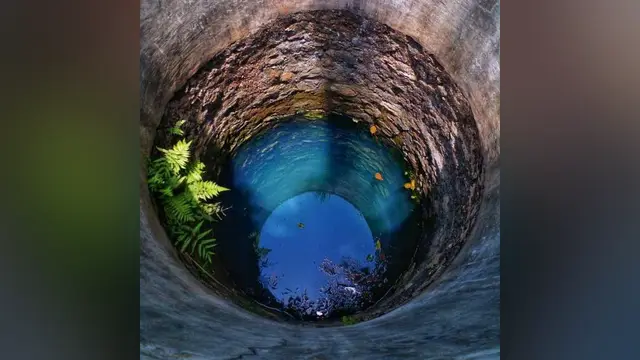
Anyone who daydreams about time-traveling to an ancient Chinese city tends to picture teahouses, lanterns and poets. A widely shared explainer on Zhihu, the Chinese question-and-answer platform, suggests a less romantic detail deserves attention first: the water. In many old cities, the writer argues, a traveler would have struggled to swallow a single mouthful of the local well water, which often ran salty or bitter.
The reason is not that ancient people had no water supply. Cities had wells, canals and, in some places, elaborate systems for moving water from rivers and springs. But a well in a crowded district drew from groundwater that had soaked through dense streets, workshops, tanneries and household waste. Nothing separated what went into the soil from what came back up in a bucket. The result was water that could be drinkable on a good day and a genuine hazard on a bad one.
The comparison the writer reaches for is modern tap water, and the gap is measured in testing rather than taste. China’s current drinking water standard, known as GB 5749-2022, requires suppliers to check 97 indicators at the plant before water leaves the gate, covering microbes, metals, organic compounds and other contaminants. Much of that list simply did not exist as a concept a few centuries ago, because the instruments and the microbiology did not exist either.
What changed is not only chemistry but engineering. Modern treatment combines physical steps such as settling and filtration with chemical and biological ones, stripping out the contaminants that ancient wells could only dilute. Pipes, pumps and treatment plants turned water from a local, seasonal gamble into something a household can count on every morning, at a cost low enough that most people never think about it.
The framing has a larger point. Public health historians often rank clean water and sanitation among the most consequential advances of the modern era, ahead of many celebrated medical breakthroughs, because they prevent illness on a scale that doctors alone never could. The explainer makes the case in the most concrete way available: ask whether you would actually drink the alternative.
There is also a cultural thread here. Chinese classical writing is full of springs, wells and water judged by clarity and sweetness, and tea culture in particular built elaborate hierarchies around which water made the best brew. Those preferences were partly aesthetic and partly practical, a way of steering toward sources that were less likely to make a household sick.
The piece lands as a small correction to the time-travel fantasy. The past is not only slower and prettier; it is also full of ordinary risks that modern infrastructure has quietly retired. The next time a tap runs without a second thought, that is the system working, and the well outside the teahouse is the reminder of what it replaced.