A One-Yuan Sale: GoGoX Prepares to Exit Mainland Freight
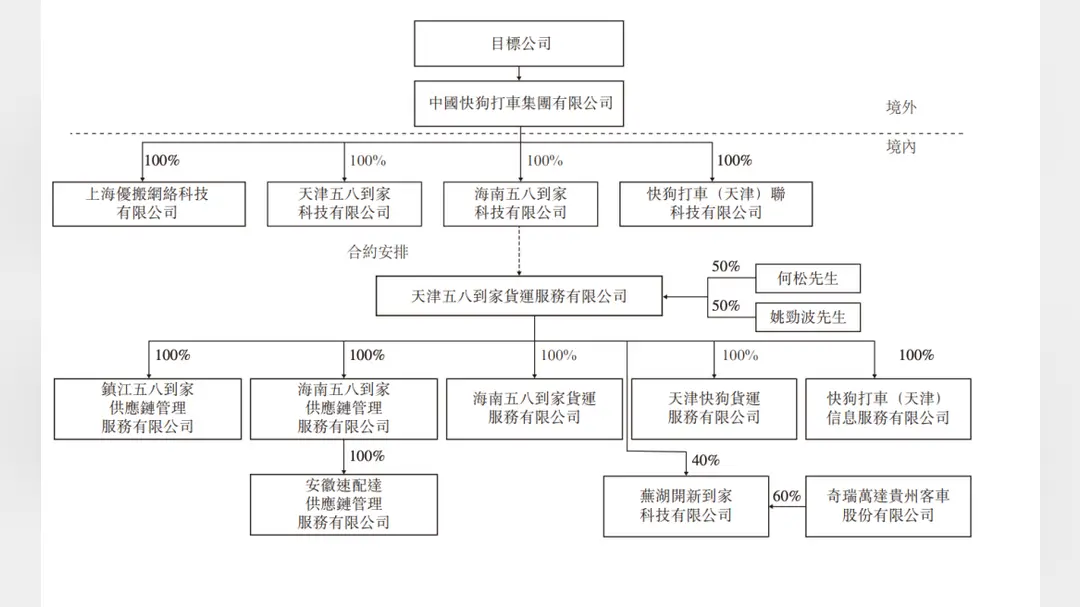
A listing that once looked like a triumph is now being unwound for the price of a bus fare. GoGoX, the Hong Kong-listed on-demand freight platform, has proposed selling its mainland China business for one yuan, a symbolic figure that tells you more about the state of same-city cargo than any balance sheet could.
The company’s path there is unusually well documented. It was born in 2017 when 58 Suyun, a freight unit spun out of the classifieds giant 58.com, merged with GoGoVan, a Hong Kong same-city delivery startup. The combined business rebranded as GoGoX the following year. In 2022 it listed in Hong Kong, billing itself as the city’s first publicly traded same-city freight stock, and its market value topped HK$10 billion on the first day of trading.
Four years later, the mainland operation is being handed off for a token sum. The one-yuan price is not a valuation so much as an admission: the buyer is taking on obligations, and the seller is taking the exit. Chinese media coverage of the deal has framed it around a single question — whether GoGoX is collapsing under its own costs or whether the entire model of app-based, on-demand trucking is harder than it looked.
Same-city freight, the business of moving furniture, appliances and small commercial loads across a city, sounds like a natural fit for the smartphone era. In practice it is a low-margin, labour-heavy trade. Drivers own or lease their vehicles, platforms compete on subsidies and response times, and customers are price-sensitive in a way that leaves little room for a take rate. The early pitch was that scale would eventually bring profitability. Scale arrived; the profits did not, at least not reliably.
GoGoX is not alone in feeling that squeeze. China’s on-demand delivery and freight sectors have spent years consolidating, with larger platforms bundling moving services into broader logistics and ride-hailing apps. A smaller specialist has to defend a niche while paying for driver acquisition, insurance and customer support. A one-yuan disposal is the cleanest way to stop the bleeding and refocus on markets where the economics are less punishing — chiefly Hong Kong and overseas.
For global readers, the deal is a useful case study in how quickly a celebrated listing can turn into a retreat. The 2022 IPO was marketed on the idea of a digital-first freight network spanning mainland cities. The 2026 plan is to leave those cities behind. Between those two moments sits the ordinary grind of a business that never quite converted user growth into margin.
The question now is what a stripped-down GoGoX looks like. Its Hong Kong home market is smaller but denser, with shorter distances and different competitive dynamics. Whether the company can build a durable business there — and whether the mainland buyer can make the one-yuan asset work where the previous owner could not — will be the real test. For the wider same-city freight industry, the sale is a reminder that app-store rankings and listing-day valuations are poor predictors of whether the trucks keep moving profitably.