China's Auto Industry Pivots to Skills as Global Ambitions Grow
China’s auto industry is shifting gears. After years of breakneck growth in electric vehicles and exports, the focus is turning to something less flashy but equally critical: the people who build, maintain, and repair the machines. Last week, Shanghai hosted the 48th WorldSkills Competition, where young technicians from around the globe competed in events like auto body repair and heavy vehicle maintenance. For China, the event was more than a medal chase—it was a showcase of how the country is investing in vocational talent to sustain its automotive ambitions.
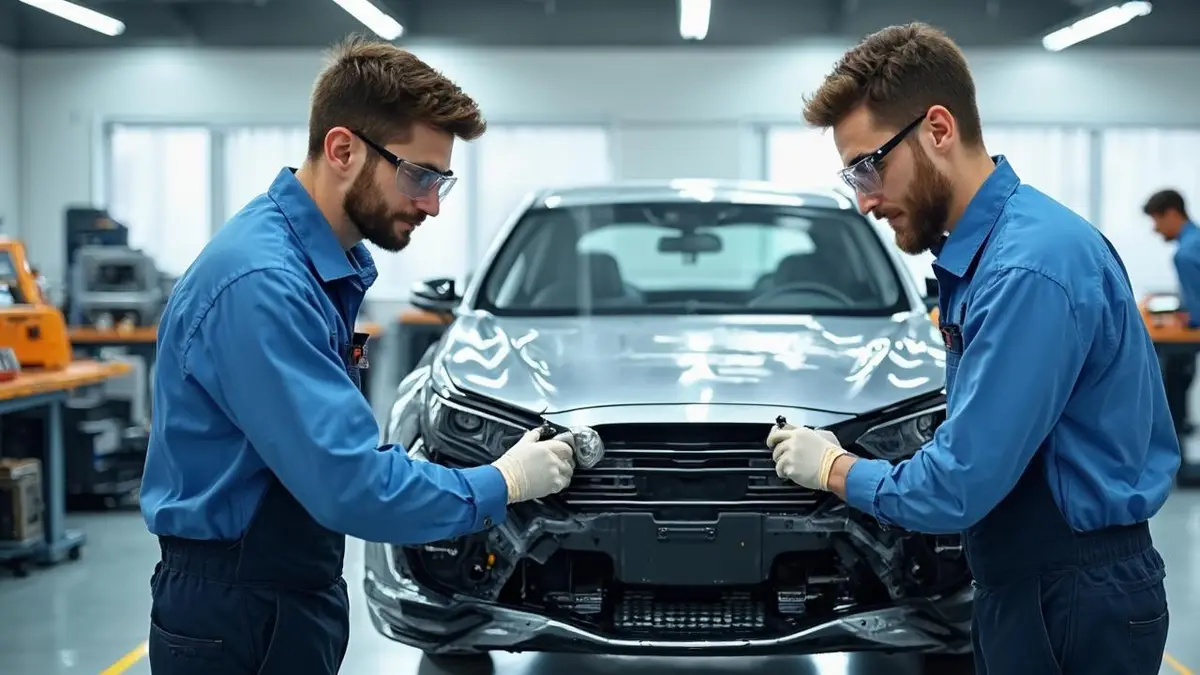
The competition’s auto body repair arena buzzed with the sound of grinding, welding, and hammering. Contestants had to restore damaged vehicles to precise specifications, a task that demands both technical skill and artistry. In the heavy vehicle maintenance category, participants faced an added twist: they didn’t know which machine they’d be working on until the last moment. Organizers said this mirrors real-world conditions, where technicians must adapt quickly. Chinese competitors trained for months with support from automakers, which provided vehicles, materials, and expert guidance.
That collaboration is no accident. As Chinese car brands push into overseas markets—exporting over seven million vehicles in 2025 alone—they need a workforce capable of servicing complex electric and hybrid systems. Traditional repair skills centered on engines and hydraulics are no longer enough. New energy heavy trucks, for instance, require expertise in battery management and electric drivetrains. Companies are partnering with vocational schools and competitions to build a pipeline of talent that can keep up.
The stakes are high. China’s auto exports have surged, but selling cars is only half the battle. Reliable after-sales service and maintenance networks are essential for building trust in foreign markets. That means training technicians who can work on Chinese vehicles anywhere in the world. Some automakers are already setting up service centers abroad and sending skilled workers to support them. The skills competition serves as a proving ground, identifying top talent who can then train others.
For the contestants, the event is a launchpad. Many are offered jobs before the competition even ends. Companies scout for promising technicians, offering them roles that combine hands-on work with further training. The path from competition floor to factory floor is short, and the experience gained is invaluable. It’s a win-win: young people get careers, and the industry gets a skilled workforce.
But challenges remain. The rapid pace of technological change means training programs must constantly evolve. Electric vehicles, autonomous driving, and connected car features are reshaping what it means to be an auto technician. Schools and employers are racing to keep curricula current. Events like WorldSkills help by setting benchmarks and spotlighting best practices. They also raise the profile of vocational careers, which often struggle to attract young talent in China despite growing demand.
As the competition wrapped up, the message was clear: China’s auto industry is not just about factories and sales charts. It’s about people—the technicians who keep vehicles running and the trainers who pass on knowledge. In a sector driven by innovation, human skills remain the foundation. The world is watching China’s cars; increasingly, it will also rely on China’s car people.