Winter Is the New Season to Visit Tibet, and Entry Is Free
Most travelers picture Tibet in summer, when the plateau is green and the tour buses are full. This winter, Chinese tourism authorities are making the opposite case: the coldest months may be the best time to go, and they are putting free admission behind the pitch.
The ninth round of the winter Tibet campaign began on October 15, 2026 and runs until March 15, 2027. During that window, ticket fees are waived at many of the region’s headline attractions, and supporting discounts are offered on hotels, flights and tour packages. It is a seasonal push that has been repeated for years, but its scale and the timing — five full months — make it one of the most generous travel offers anywhere in China right now.
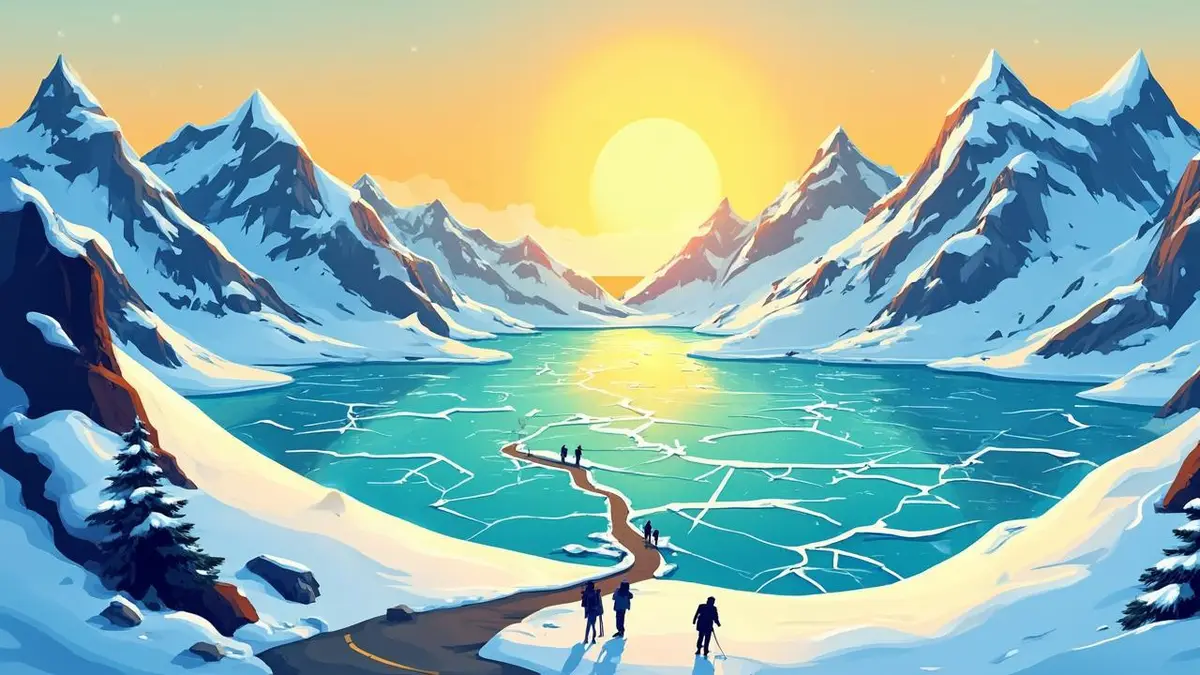
What does winter actually look like on the roof of the world? Photographers talk about two things. The first is blue ice: lakes and glacier-fed rivers freeze into thick, glassy sheets that glow turquoise in clear light, a phenomenon that barely exists in summer. The second is the golden mountain effect, when the first sunlight of the day strikes a snow peak and turns it briefly orange before the whole range turns white. Clear winter skies make both far easier to catch than in the cloudy summer monsoon.
Daytime temperatures in Lhasa, the regional capital at about 3,650 meters, are often milder than visitors expect, and the city’s tea houses stay warm and busy. A bowl of Tibetan noodles and a cup of sweet tea are part of the routine. The real draw of the off-season, though, is the silence. Landmarks that see long queues in July are quiet, and a traveler can spend an hour at a viewpoint without another camera in the frame.
None of this makes altitude harmless. Winter air is drier and thinner-feeling, and the cold at night is serious. Travelers are advised to ascend gradually, keep the first days light, drink more water than feels necessary and carry layers for a 20-degree swing between noon and midnight. Some remote roads and high passes can close after snow, so itineraries should stay flexible.
There is also a commercial logic behind the campaign. Summer concentrates demand into a few months, straining hotels, guides and transport, while winter leaves them idle. Filling that gap spreads income to drivers, guesthouse owners and restaurateurs who otherwise wait out the cold. For visitors, the same policy means lower prices and thinner crowds for the same scenery.
If you are considering it, the practical shape of a winter trip is simple: a few days in Lhasa to acclimatize, then short hops to lower-altitude valleys and lakes rather than ambitious overland routes. Book the free-entry attractions in advance where required, keep a spare day for weather, and treat the short daylight as a schedule rather than a problem. Winter in Tibet is not a secret anymore — it is a season the region has decided to sell.