China's Holiday Travel Splits: Big Cities Hold, Long Routes Surge
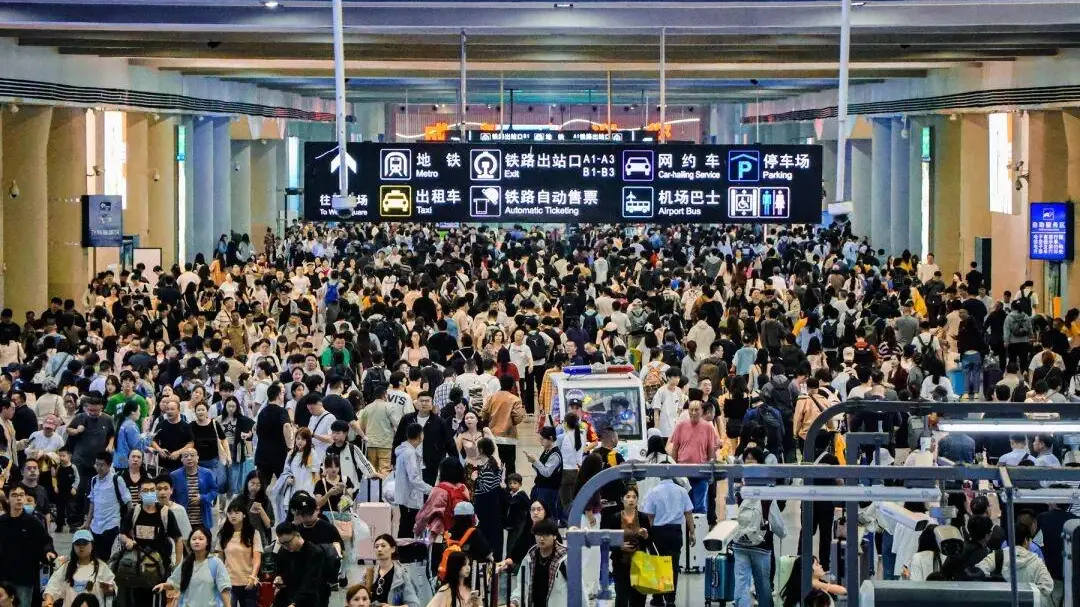
China’s National Day holiday, which begins on October 1, is the country’s biggest travel window outside Lunar New Year, and this year the shape of the crowd looks different. Booking and search data compiled from platforms including Meituan, Ctrip and Tongcheng show the same veteran favourites still sitting at the top of the table, but the distances people are willing to cover have stretched noticeably.
The reason is a leave-scheduling trick that has gone mainstream. By requesting three days of annual leave around the statutory break, workers can stitch together roughly thirteen consecutive days off. Travel writers call it “ask for 3, get 13,” and its spread has quietly rewritten the map. Instead of a short hop to a nearby city, many families are now booking long-haul routes to the northwest and the northeast, regions that were once considered too far for a week-long trip.
That shift has produced a second tier of destinations that barely registered in previous years. Smaller towns in Shanxi, Jiangxi and elsewhere are being recommended as quiet alternatives to packed landmarks, with local food, old temples and mountain scenery as the draw. Analysts describe these as dark-horse cities: places with enough infrastructure to host visitors but not enough fame to be overwhelmed by them.
The established leaders, meanwhile, are not giving up their place. Major hubs with strong transport links, mature hotel supply and a steady stream of new attractions continue to dominate the first tier of the rankings, and their hotel prices reflect it. For many travellers the choice is less about novelty than reliability: a city where a delayed train still leaves options for dinner.
Not everything about the season is upbeat. On social platforms, a wave of posts describes pre-holiday fatigue, with users joking that they are exhausted before they have even left home. Some of the anxiety is practical. Searches for bedbugs, known in northern China as chou chong, have risen among people about to check into hotels, a reminder that hygiene worries travel just as fast as itinerary tips.
Cruise operators are watching the same wave of demand from a different angle. Royal Caribbean, which has spent seventeen years building its China business, frames the next phase of the market as one of quality rather than raw volume: deeper local understanding, experiences designed around Chinese holiday rhythms, and links to regional ports. It is a bet that repeat travellers will want more than a short coastal hop.
For global readers, the takeaway is that Chinese holiday travel is becoming more stratified. There is a premium tier of familiar cities, a fast-growing tier of far-flung and lesser-known places, and a large group of people who simply want to rest at home. All three are visible in the same week, and all three are shaping where the money goes.
What ties the season together is planning. Long routes mean longer booking windows, and popular small towns can fill up quickly once a recommendation circulates. Whether the destination is a landmark or a county nobody abroad has heard of, the travellers getting the best of this October are the ones who booked early and packed for weather that changes with the altitude.