China's High-Speed Rail Network Connects Ancient and Modern
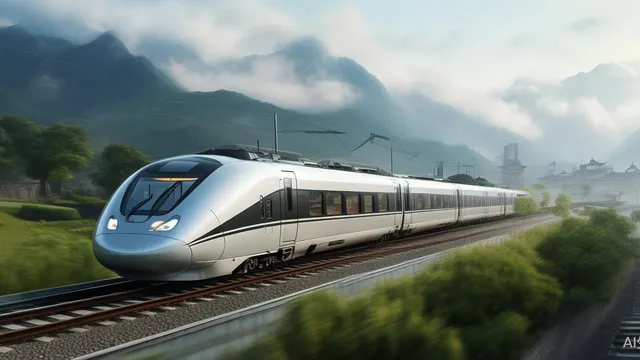
China’s high-speed rail system has revolutionized travel within the country, creating a seamless network that stretches over 45,000 kilometers as of 2026. This impressive infrastructure allows passengers to traverse vast distances in a fraction of the time previously required, making it possible to explore China’s diverse landscapes and cultural treasures with remarkable ease.
The bullet trains, capable of reaching speeds up to 350 kilometers per hour, have become a symbol of China’s technological advancement and economic development. Since the first line opened in 2008, the network has expanded exponentially, now connecting major cities from Beijing in the north to Guangzhou in the south, and from Shanghai on the east coast to Chengdu in the western region.
For international visitors, China’s high-speed rail offers an efficient way to experience the country’s contrasts. Travelers can depart from the modern skyscrapers of Shanghai and arrive in the ancient city of Xi’an home of the Terracotta Warriors in just over five hours. This connectivity has transformed tourism patterns, allowing visitors to experience multiple regions within a single trip.
The rail system has also spurred economic development in smaller cities and towns that were previously difficult to access. Stations have become new commercial hubs, with hotels, restaurants, and retail establishments springing up around them. This has created new opportunities for local businesses and helped distribute economic benefits more evenly across regions.
Environmental considerations have played a significant role in the rail network’s expansion. By offering a faster alternative to short-haul flights and reducing reliance on road transportation, the high-speed rail system has decreased carbon emissions per passenger kilometer. The electric trains produce zero direct emissions, making them an environmentally friendly choice for domestic travel.
The experience of riding China’s high-speed rail has become an attraction in itself. Trains feature modern amenities including comfortable seating, complimentary Wi-Fi, and dining cars offering both local and international cuisine. The punctuality and efficiency of the system have earned praise from travelers worldwide, many of whom describe it as one of the most comfortable and convenient ways to travel.
Looking ahead, China continues to expand its rail network with ambitious plans to connect even more remote areas and reduce travel times between major cities further. The system’s success has inspired similar developments in other countries, positioning China as a global leader in high-speed rail technology and infrastructure development.