China's Robotaxi Race Moves From Tech Specs to Partnerships
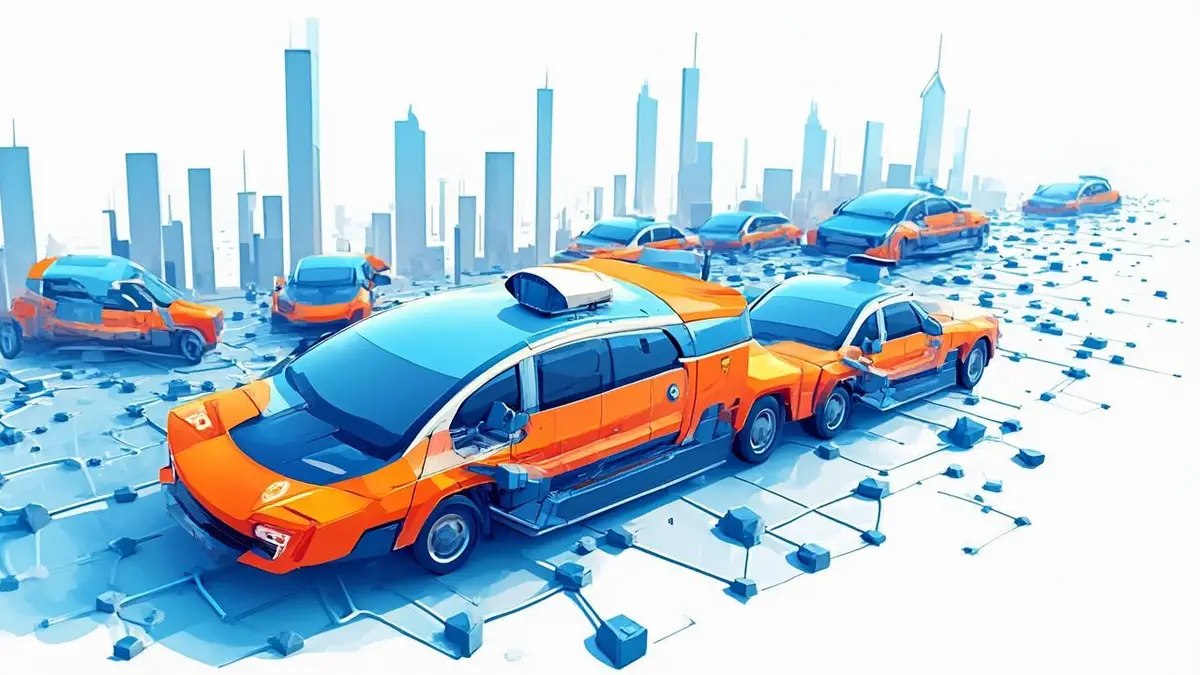
For most of the past decade, the Robotaxi story in China was told in numbers: test miles driven, cities mapped, safety drivers removed. In 2026, that scoreboard has quietly stopped mattering. Policy openings, cheaper sensors and stronger models have turned a pure technical lead into an entry ticket rather than a victory, and the competition has shifted to something less glamorous — partnerships.
The logic is simple. A self-driving car is no longer a science project; it is an operations business. Someone has to own the fleet, insure it, clean it, charge it, and persuade a city that the vehicles belong on its streets. Very few companies can do all of that alone. So the past year has produced a wave of alliances between companies that once saw themselves as rivals: automakers supplying the platforms, tech firms supplying the brains, ride-hailing platforms supplying the passengers, and local operators supplying the permits and the depots.
The cost curve made this possible. Lidar units that once cost tens of thousands of dollars now sell for a fraction of that, and camera-first systems have improved enough that many new vehicles carry a lighter, cheaper sensor suite. That changes the economics of scaling from a few hundred cars in one district to thousands across several cities. It also changes who can afford to play. A startup with brilliant software but no manufacturing partner now looks fragile; a carmaker with factories but weak autonomy looks equally exposed.
Cities, meanwhile, have become the quiet gatekeepers. Approval to run paid, driverless rides is granted district by district, often with conditions about operating hours, pickup zones and data reporting. A company that has mastered one city’s rules cannot simply copy the playbook into the next. Local joint ventures, with a partner who already knows the traffic police, the bus operators and the power grid, are often the fastest route to a launch.
The result is a market that looks less like a software race and more like the airline industry: capital-intensive, regulated, and decided by who can assemble the right consortium. The winners are likely to be platforms that sit in the middle, connecting vehicle supply, software, financing and demand, rather than any single company that claims the best model.
That does not mean technology has stopped improving. End-to-end neural networks, trained on vast fleets of real driving data, have made urban driving noticeably smoother, and remote assistance centers now handle far more vehicles per human operator than they did two years ago. But these advances are increasingly available to everyone, licensed, purchased or copied within months. The advantage they confer is temporary.
What lasts is scale and trust. A fleet that has safely carried millions of passengers in one city generates data, brand recognition and political goodwill that a newcomer cannot buy quickly. That is why the current phase of the Robotaxi race looks so different from the demo videos of 2020. The question is no longer whether a car can drive itself. It is who will own the road when it does.